
Alaska 101: Last Frontier-Oil Money, Wilderness, and Extreme Living
Michael Reynolds • 12 Jan 2026 • 117 views • 3 min read.You romanticize Alaska—untamed wilderness, rugged individualism, getting paid to live there (Permanent Fund Dividend), escaping civilization, living off the land like a modern pioneer. Reality hits: Winter darkness lasts 67 days in Barrow (no sun November-January), temperatures drop to -60°F, gallon of milk costs $10 in rural areas, isolation drives people insane (alcoholism rates highest in nation), and bears outnumber people in most regions. Your $50,000 salary sounds great until realizing heating bills run $500 monthly, flying to Seattle costs $800, and Amazon takes three weeks to deliver. Locals work brutal schedules on oil rigs or fishing boats, earn $80,000-120,000 but blow it quickly, and half the transplants leave within two years unable to handle extreme conditions, isolation, and seasonal depression from endless winter darkness. The truth: Alaska offers unmatched natural beauty and unique financial perks but demands physical toughness, mental resilience, and acceptance that you're truly isolated from civilization. This guide reveals Alaska honestly—the frontier magic, brutal realities, and whether you can survive America's last wilderness.
Geography and Climate: America's Arctic Frontier
Understanding the scale:
Size and remoteness:
Massive beyond comprehension:
- Largest state: 665,000 square miles (2.5× Texas, 1/5 of entire U.S.)
- Population: 733,000 (one of least populated—more land than people)
- Distance: 2,000 miles from Seattle (farther than NYC to Denver)
- No road connection to Lower 48 (Alaska Highway through Canada only route)
Three geographic regions:
Southeast (Panhandle):
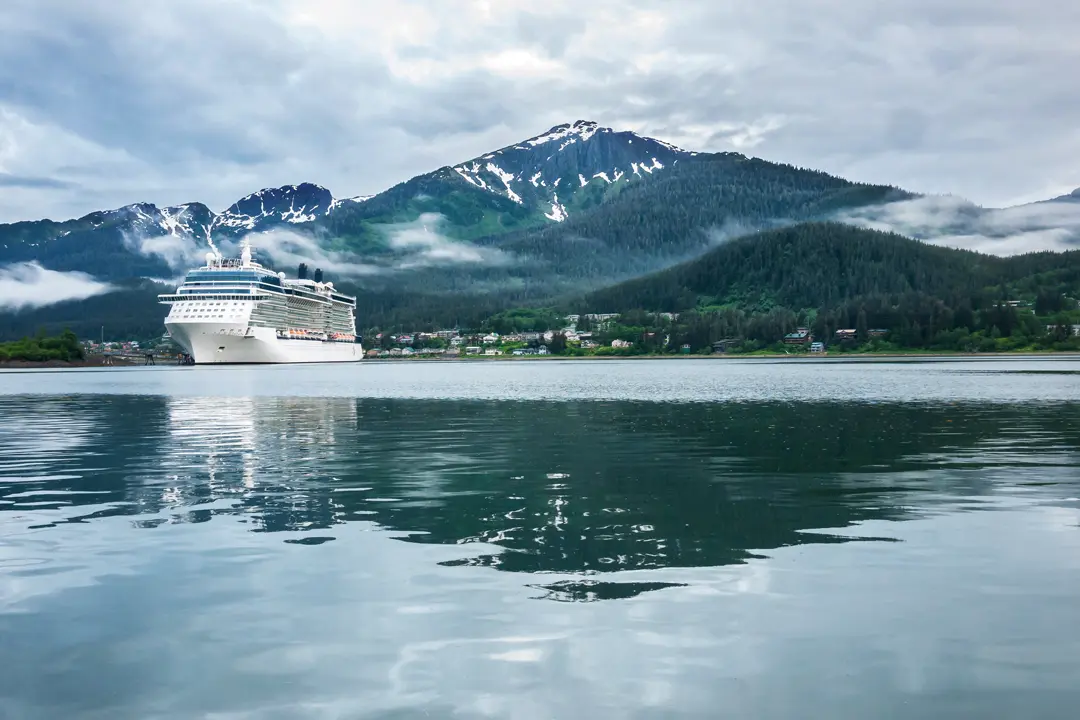
- Cities: Juneau (capital—no road access, ferry or plane only), Ketchikan, Sitka
- Climate: Temperate rainforest, mild winters (30-50°F), heavy rain (200+ inches/year)
- Economy: Tourism (cruise ships), fishing, government
- Most accessible (still remote by mainland standards)
Southcentral (population center):
- Cities: Anchorage (290,000—40% of state), Wasilla, Kenai
- Climate: Cold winters (0-20°F), mild summers (60-70°F)
- Economy: Oil, military, tourism, fishing
- Most livable (relatively—has Costco, Target, infrastructure)
Interior and Arctic:
- Cities: Fairbanks (interior), Barrow/Utqiaġvik (Arctic—northernmost U.S. city)
- Climate: EXTREME—winters -40°F to -60°F, summers 70-90°F (100°F+ occasionally in Fairbanks)
- Economy: Oil (Prudhoe Bay), military, subsistence
- Hardcore living (not for beginners)
Climate extremes (prepare yourself):
Winter (October-April in most areas):
- Anchorage: 0-20°F (coldest January)
- Fairbanks: -20°F to -60°F (record -66°F)
- Arctic: -30°F to -50°F regularly
- Darkness: Anchorage (5.5 hours daylight December), Fairbanks (3.5 hours), Barrow (67 days zero sun)
Summer (short but intense):
- Anchorage: 60-70°F (pleasant)
- Fairbanks: 70-80°F (occasionally 90°F+—shocking)
- Arctic: 40-60°F (still cold)
- Daylight: Anchorage (19 hours June), Fairbanks (22 hours), Barrow (82 days midnight sun)
Natural disasters:
- Earthquakes: Major risk (1964 quake 9.2 magnitude—second largest recorded)
- Volcanoes: Active (Mt. Redoubt, Pavlof—ash disrupts flights)
- Wildfires: Interior summers (dry, hot, lightning)
- Tsunamis: Coastal areas (earthquake-triggered)
Wildlife hazards:
- Bears (grizzly, black, polar in Arctic—everywhere, dangerous)
- Moose (kill more people than bears—aggressive, huge, unpredictable)
- Mosquitoes: Summer swarms (size of hummingbirds—exaggerating but barely)
The Permanent Fund Dividend (Free Money?)
Alaska's unique perk:
What it is:
Annual payment to every Alaska resident:
- Source: Alaska Permanent Fund (oil revenue invested—worth $77 billion)
- Amount: Varies yearly (based on fund performance)
- Recent payments: $1,000-3,000 per person (2023: $1,312)
- Family of four: $5,000+ yearly (free money for living there)
Requirements:
- Live in Alaska full calendar year (January 1 - December 31)
- Intend to stay indefinitely (not temporary)
- Not convicted felon or imprisoned
- Apply annually (January-March deadline)
Is it worth moving for?
Math:
- PFD: $1,500/year
- Extra costs living Alaska vs Lower 48: $5,000-10,000/year (heating, groceries, flights, shipping)
- Net: You lose money (PFD doesn't offset higher costs)
BUT combined with other factors:
- No state income tax (save 5-10% of income)
- High wages (oil, fishing, skilled trades earn more)
- PFD + tax savings + high wages = viable
PFD alone won't sustain you—think of it as nice bonus, not income
Cost of Living (Expensive Despite What You'd Think)
Everything costs more (except maybe salmon):
Housing:
Urban areas (Anchorage, Fairbanks):
- Median home price Anchorage: $380,000 (cheaper than Seattle, but quality lower—harsh weather damages homes)
- Rent 1-bedroom: $1,200-1,500
- Heating costs: $300-500/month winter (oil, natural gas, or electric—all expensive)
Rural/Bush Alaska:
- Housing scarce (limited construction due to remote location)
- Prices inflated (materials flown in)
- Often rent-only (few homes to buy)
- Rent: $1,500-2,500 (small, basic, but only option)
Heating is the killer:
- Winter lasts 8 months
- Fuel oil: $800-1,500 for winter (depending on prices)
- Electricity: $200-400/month (electric heat if no oil)
- Wood stove: Cheapest but labor-intensive (chop wood constantly)
Groceries (imported = expensive):
Urban Alaska (Anchorage, Fairbanks):
- Gallon of milk: $5-6 (20% higher than Lower 48)
- Loaf of bread: $4-5
- Chicken breast (lb): $6-7
- Produce: Expensive, less fresh (shipped from Seattle)
Rural/Bush Alaska (fly-in communities):
- Gallon of milk: $10-12 (everything flown in)
- Box of cereal: $8-10
- Bananas: $3/lb (insane for bananas)
- Soda: $2-3 per can
Strategy:
- Buy bulk at Costco (Anchorage/Fairbanks)
- Hunt and fish (subsistence living—moose, salmon, halibut)
- Order from Amazon/Walmart (shipping free to Alaska surprisingly, but takes 2-3 weeks)
Transportation:
Driving:
- Gas: $4-5/gallon (higher in rural areas—$6-8)
- Cars rust quickly (salt, moisture, harsh conditions)
- Winter tires mandatory ($800-1,200 set)
- Block heater essential (car won't start -40°F without it—$200-400 install)
Flying:
- Only way to reach most of Alaska (roads limited)
- Anchorage to Barrow: $600-800 roundtrip
- Anchorage to Seattle: $300-800 (depending on season)
- Bush flights (small plane to villages): $200-500 one-way
No roads to most communities:
- 82% of Alaska inaccessible by road
- Plane, boat, snowmobile, or dogsled only options
Jobs and Economy (Oil, Fish, and Rough Work)
Industries:
Oil and gas (dominant—85% of state revenue):
Jobs:
- Roughneck (oil rig worker): $60,000-100,000
- Engineer: $80,000-130,000
- Geologist: $70,000-110,000
- Support services: $50,000-80,000
Work schedule:
- Rotation: 2 weeks on (living on North Slope, Prudhoe Bay), 2 weeks off
- Long days: 12-14 hours (brutal but compensated)
- Isolated: No leaving site during rotation (frozen tundra, nothing around)
Pros: High pay, lots of time off (half the year free) Cons: Dangerous, physically demanding, isolation, boom/bust cycles (oil prices drop = layoffs)
Fishing (commercial—seasonal, dangerous):
Types:
- Salmon: Summer (June-August)
- Crab: Winter (Deadliest Catch reality—brutal)
- Halibut: Spring/summer
Pay:
- Deckhand: $5,000-15,000 per season (few weeks intense work)
- Captain: $50,000-200,000 (owns boat, takes risk)
- Processing: $15-20/hour (cannery work, long hours)
Pros: Big money short time, adventure Cons: Most dangerous job in U.S. (drowning, hypothermia, injuries), exhausting, seasonal (need winter job)
Tourism (summer only):
Jobs:
- Cruise ship workers: $2,000-4,000/month + room/board (May-September)
- Tour guides: $15-25/hour + tips
- Hotels/lodges: $12-18/hour
- Park rangers: $40,000-60,000 (government, seasonal)
Pros: Beautiful setting, summer only Cons: Low pay, no winter income (unless save aggressively), crowded tourists
Military:
Bases:
- Joint Base Elmendorf-Richardson (Anchorage—Air Force, Army)
- Fort Wainwright (Fairbanks—Army)
- Coast Guard (various)
Why military loves Alaska:
- Extra pay (Cost of Living Allowance—COLA, $500-800/month)
- Housing allowance covers high rents
- Commissary (cheap groceries)
- Adventure (hiking, fishing, skiing off-duty)
Civilian jobs: Base services, contractors ($50,000-80,000)
Government:
State/federal jobs:
- Teachers: $60,000-85,000 (high pay due to cost of living, teacher shortages)
- Nurses: $70,000-95,000
- Police/fire: $65,000-90,000
- Park Service (NPS): $40,000-70,000
Most stable employment (recession-proof)
Remote work (game-changer):
The new option:
- Keep mainland tech job ($100,000+), live Alaska
- Lower cost than Seattle/SF (Anchorage cheaper than West Coast cities)
- PFD + no income tax + high salary = win
Challenge: Time zones (Alaska 4 hours behind East Coast—early morning meetings 5 AM Alaska time)
Extreme Living Conditions (Not for Everyone)
What nobody warns you about:
Winter darkness (Seasonal Affective Disorder epidemic):
The problem:
- Anchorage: 5.5 hours daylight December (dark 8 AM-3:30 PM)
- Fairbanks: 3.5 hours (dark most of day)
- Barrow: 67 days zero sun (polar night November-January)
Effects:
- Depression: 9% of Alaskans diagnosed (vs 7% national average)
- Vitamin D deficiency: Universal (supplements mandatory)
- Sleep disruption: Darkness confuses circadian rhythm
- Suicide rates: 28 per 100,000 (national average 14—double)
Solutions:
- Light therapy (SAD lamps—$50-100, use 30 min daily)
- Vitamin D supplements (5,000 IU daily)
- Stay active (skiing, gym, don't hibernate)
- Socialize (combat isolation)
Some people love it (cozy winter), others crack (move south)
Summer midnight sun (opposite problem):
The weird:
- Barrow: 82 days continuous sun (May-July—no sunset)
- Fairbanks: 22 hours daylight (sun sets 1 AM, rises 3 AM)
- Anchorage: 19 hours
Effects:
- Sleep deprivation: Hard to sleep when bright 11 PM
- Hyperactivity: People go manic (gardening 11 PM, hiking midnight)
- Blackout curtains essential ($50-100—otherwise insomnia)
Flip side: Amazing productivity (accomplish so much in endless daylight)
Isolation and cabin fever:
The reality:
- Nearest major city: Seattle (2,000 miles, 3.5 hour flight, $500+ roundtrip)
- Rural Alaska: Nearest town 100+ miles by plane
- Limited entertainment (Anchorage has some culture, elsewhere minimal)
- Small dating pool (especially in rural areas—everyone knows everyone)
Cabin fever symptoms:
- Restlessness, irritability, depression
- Substance abuse: Alaska rates highest (alcoholism, opioids)
- Domestic violence: Rates 2× national average (isolation + darkness + alcohol)
Coping:
- Hobbies (woodworking, art, reading—need indoor activities)
- Community events (potlucks, sports, anything social)
- Travel south winter (if you can afford—"snowbird" to Arizona)
Wildlife encounters (constant vigilance):
Bears everywhere:
- Grizzlies: Interior and south
- Black bears: Southeast
- Polar bears: Arctic (aggressive, apex predator)
Rules:
- Carry bear spray always ($40-60—cheaper than hospital/death)
- Make noise hiking (yell "Hey bear!" every few minutes)
- Store food properly (bear-proof containers, never in tent)
- If you see bear: Back away slowly, don't run, pray
Moose more dangerous:
- Kill more people than bears (aggressive during mating season, protecting calves)
- Massive (1,500 lbs), fast, kick with hooves (fatal)
- Give 50 feet space minimum
Cultural Identity: Rugged Individualism and Frontier Spirit
The Alaskan mindset:
Self-reliance:
You must be capable:
- Fix own car (mechanics scarce, expensive)
- Repair home (contractors booked months, charge premium)
- Hunt/fish (protein source, not just hobby)
- Handle emergencies (medical help hours away)
Alaskans pride themselves on toughness—soft people don't last
Native Alaskan culture:
Indigenous peoples (15% of population):
- Inuit/Iñupiat (Arctic)
- Yupik (Western Alaska)
- Athabascan (Interior)
- Tlingit, Haida, Tsimshian (Southeast)
Subsistence lifestyle:
- Hunting whales, seals, caribou
- Fishing salmon
- Protected by law (subsistence rights for Natives)
Respect:
- Don't treat like museum exhibit (real people, living culture)
- Support Native businesses, art
- Learn history (Russian colonization, U.S. purchase, cultural suppression)
"Cheechako" vs "Sourdough":
Cheechako: Newcomer (derogatory—you don't know Alaska yet) Sourdough: Veteran (earned respect—survived multiple winters)
Earning acceptance:
- Takes years (one winter doesn't count)
- Prove you're tough (don't complain about cold, darkness)
- Contribute to community (volunteer, help neighbors)
- Don't brag about Lower 48 ("in California we do it this way"—instant turnoff)
Practical Moving Advice
If you're serious:
Visit first (non-negotiable):
When: Winter (November-February)
- See worst conditions (not just summer beauty)
- Experience darkness, cold
- If you hate it, don't move (summer visits lie)
Where: Anchorage (most livable), then Fairbanks (hardcore test)
Secure job before moving:
Don't move hoping to find work:
- High unemployment in some areas
- Seasonal jobs (summer only = need winter plan)
- Options: Oil, fishing, military, remote work, government
Savings: $10,000+ cushion (moving expensive, emergencies happen)
Start in Anchorage:
Why:
- Infrastructure (Costco, Target, hospital, airport)
- Jobs (most opportunities)
- Less extreme (still cold, but not Fairbanks -60°F)
- Easier transition (baby steps to frontier)
Rural Alaska after you've acclimated (year 2-3)
Gear up:
Essential purchases:
- Winter gear: $1,000-2,000 (parka, boots, gloves, layering system)
- Block heater: $300
- Bear spray: $50
- Emergency supplies: $500 (food, water, batteries—power outages common)
Don't cheap out (quality gear = survival)
Alaska offers rugged frontier-living unmatched natural-beauty earning Permanent-Fund-Dividend $1,000-3,000 annually no-state-income-tax working high-paying oil-jobs $60-100K fishing-seasons $5-15K military extra-pay COLA-allowances remote-work maintaining mainland-salaries but demands extreme-resilience: winter-darkness 67-days-zero-sun Barrow 5.5-hours-daylight Anchorage causing Seasonal-Affective-Disorder 9%-diagnosed requiring light-therapy Vitamin-D-supplements, temperatures -40°F to -60°F Fairbanks heating-bills $300-500-monthly, groceries-expensive milk-$10 rural-areas everything-flown-in, isolation 2,000-miles-Seattle $500-flights 82%-state roadless accessible-plane-boat-only, wildlife-encounters bears-moose requiring constant-vigilance bear-spray mandatory. Alcoholism-rates highest-nation suicide-rates-double-national cabin-fever isolation darkness alcohol contributing substance-abuse domestic-violence. Visit-winter November-February experiencing worst-conditions darkness-cold determining tolerance, secure-job-before-moving oil-fishing-military-remote-work avoiding unemployment-struggles, start-Anchorage infrastructure-jobs easier-transition before rural-hardcore-living, invest-winter-gear $1-2K quality-clothing block-heater bear-spray emergency-supplies, earn-acceptance years proving-toughness surviving-multiple-winters contributing-community respecting-Native-culture understanding self-reliance required frontier-spirit determining last-frontier matches adventurous-spirit versus brutal-reality breaking transplants two-years.