
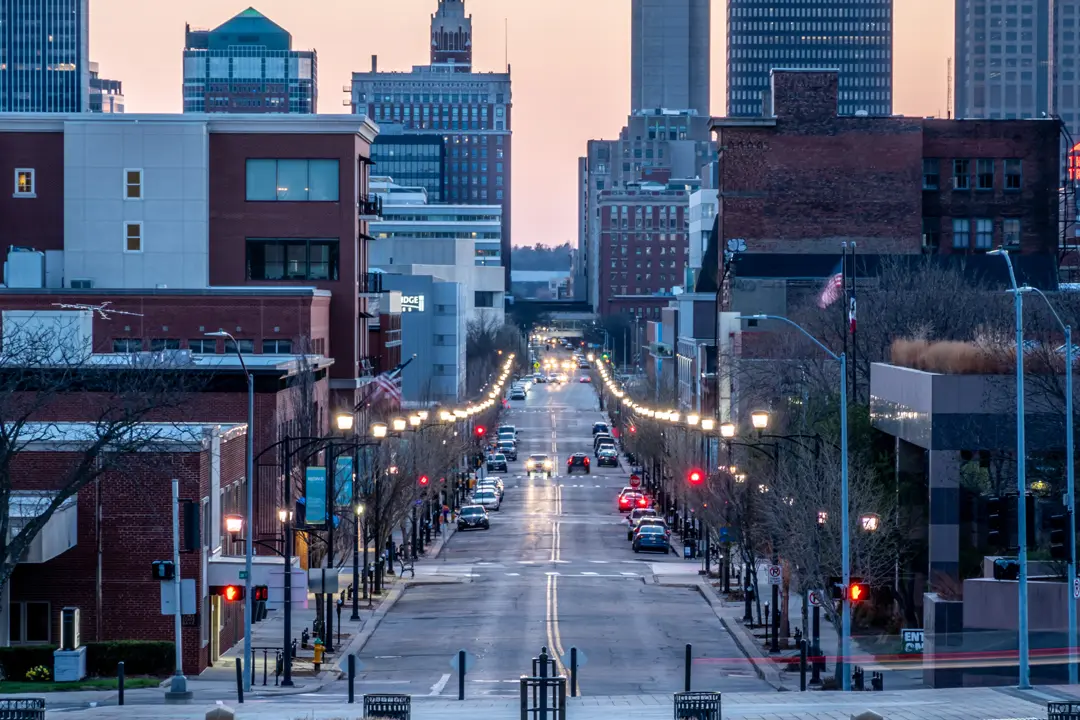
Iowa 101: Corn, Caucuses, and Small-Town America
Michael Reynolds • 13 Jan 2026 • 159 views • 4 min read.You think Iowa is endless cornfields populated by boring farmers, irrelevant flyover state except every four years when presidential candidates invade for caucuses. Reality? Iowa is agricultural powerhouse producing 20% of U.S. corn and soybeans (feeding world, not just America), economic stability where $200,000 buys 2,000 sq ft home versus coastal $800,000 for 1,000 sq ft, and genuine small-town values where neighbors help harvest when farmer injured, crime barely exists (violent crime 40% below national average), and high school football is Friday night religion. You dismiss Iowa nice until experiencing genuine hospitality—strangers wave from tractors, cafes serve pie with conversations, potlucks feed communities—realizing Midwest friendliness isn't myth but lived culture. But harsh truth: Iowa demands accepting brutal winters (-20°F wind chills, blizzards strand travelers), economic dependence on volatile agriculture (tariff wars devastate farm income), population decline (young people flee for cities—rural towns dying), and cultural homogeneity (90% white, limited diversity) where traditionalism feels suffocating to progressives seeking change. The truth: Iowa offers Midwest authenticity—affordability, safety, work ethic, community—but demands accepting agricultural economy volatility, extreme weather, rural isolation, and recognition that "boring" Iowa provides stability and simplicity appealing to families and those tired of urban chaos while repelling those needing diversity, excitement, or coastal sophistication.
Geography and Climate: More Than Just Flat Farms
Understanding Iowa:
Size and landscape:
- 26th largest state:
- 56,000 square miles
- Population: 3.2 million (31st—declining rural, growing cities)
- Density: 56 people/square mile (rural except Des Moines, Cedar Rapids, Iowa City)
- Not entirely flat:
- Northeast Iowa: Driftless Area (bluffs, valleys, rivers—Mississippi scenery)
- Central Iowa: Gently rolling (Des Moines—capital, largest city)
- Northwest Iowa: Flattest (prime farmland—horizon meets sky)
- Southeast Iowa: Hills, lakes (tourism, recreation)
- Rivers:
- Mississippi River: Eastern border (barge traffic, recreation, historic towns)
- Missouri River: Western border (Lewis and Clark route)
- Des Moines River, Iowa River: Cross state (flooding risk, water resources)
Three economic regions:
Urban corridors (population/economic centers):
- Des Moines metro: 700,000 (insurance capital—Principal, Nationwide, Wellmark)
- Cedar Rapids/Iowa City: 400,000 combined (manufacturing, university, healthcare)
- Quad Cities: 380,000 (Iowa/Illinois border—Davenport, Bettendorf)
- Economy: Insurance, healthcare, finance, education, manufacturing
- Vibe: Progressive islands (college towns, diverse by Iowa standards)
Agricultural heartland (central/northwest):
- Towns: Ames (Iowa State University), Waterloo, Sioux City, Mason City
- Economy: Corn, soybeans, hogs, cattle (commodity prices = prosperity/struggle)
- Vibe: Traditional, conservative, aging (young people leave—brain drain)
Rural decline areas (southern/northeast border):
- Geography: Scenic but economically struggling (population loss decades)
- Economy: Small farms consolidating, tourism modest (Amish communities, antiques)
- Reality: Beautiful landscape, dying towns (schools close, businesses shutter)
Climate (continental extremes):
Des Moines:
- Summer: 80-90°F (humid—heat index 100°F+, oppressive July/August)
- Winter: 10-30°F (snow 35 inches/year, wind chill -30°F common)
- Record cold: -30°F (frequent -10°F to -20°F stretches)
- Wind: Constant (prairie—30+ mph normal, wind chill brutal)
- Spring/Fall: Tornado season (March-June—EF4/EF5 possible), beautiful but brief
Severe weather (agricultural risk):
- Tornados: 50+ yearly (Parkersburg 2008 EF5—55 killed, town destroyed)
- Derechos: Straight-line winds (August 2020—140 mph, $11 billion damage, 14 million acres crops destroyed)
- Floods: Mississippi/Missouri Rivers (1993, 2008, 2019—billions damage, towns evacuated)
- Droughts: Cyclical (Dust Bowl legacy—crop failures, farm bankruptcies)
- Blizzards: Winter (I-80 closed, whiteout conditions, livestock losses)
- Ice storms: Freezing rain (power outages weeks, tree damage catastrophic)
Natural disasters impact:
- Agriculture dependent: Weather = economic survival (crop insurance critical)
- Infrastructure: Rural roads flood, bridges wash out (isolation increases)
- Mental health: Farm stress, seasonal affective disorder (winter darkness, economic anxiety)
Cost of Living: Affordability and Stability
Iowa advantage:
Housing (remarkably cheap):
Des Moines:
- Median home: $215,000 (versus Omaha $250,000, Minneapolis $380,000)
- Neighborhoods:
- West Des Moines: $280,000-400,000 (suburbs, new construction, excellent schools)
- Beaverdale: $200,000-300,000 (established, walkable, trendy)
- Ankeny: $240,000-350,000 (northern suburb, family-friendly, growing)
- East side: $120,000-180,000 (affordable, diverse, older homes)
- Rent 1-bedroom: $750-1,100 (cheap for state capital)
- Rent 2-bedroom: $950-1,400
Cedar Rapids/Iowa City:
- Cedar Rapids median: $190,000 (affordable metro)
- Iowa City median: $250,000 (college town premium—University of Iowa)
- Student rentals: $650-950 (competitive near campus)
Small towns:
- County seats: $120,000-180,000 (Marshalltown, Fort Dodge, Spencer)
- Rural: $80,000-130,000 (older homes, declining populations, remote)
- Acreage: $200,000-300,000 (hobby farms, rural lifestyle, commuter distance)
Taxes (moderate but rising):
- Income tax:
- 0.33% to 8.53% (progressive—highest bracket cut to 6% by 2026)
- $75,000 income = ~$4,500 Iowa tax (middle-tier)
- Retirement: Pension income partially exempt (age 55+—phasing out more)
- Sales tax:
- 6% state + local (average 7%)
- Food taxed: Groceries pay full rate (regressive—Republican legislature priority eliminating this)
- Property tax:
- 1.5% average (high—$215,000 home = $3,225/year or $269/month)
- School funding: Property tax dependent (rural schools struggle—consolidation pressure)
Daily costs:
Groceries:
- 5-8% below national average
- Hy-Vee dominates (employee-owned—Iowa-based, community pride)
- Fareway (meat quality legendary—local chain)
- Limited ethnic options: Des Moines improving, rural non-existent
Gas:
- $3.10-3.50/gallon (moderate—corn ethanol state)
Dining:
- Lunch: $10-14 (cafes, diners—homestyle cooking)
- Dinner: $18-28 per person
- Tenderloin sandwich: Iowa specialty ($8-12—pork pounded thin, breaded, fried, bigger than bun)
- Pie: Expected dessert ($4-5 slice—sour cream raisin, Dutch apple)
Utilities:
- Electricity: $90-140/month
- Natural gas: $80-250/month (winter heating—propane rural, expensive)
- Internet: $50-80/month (fiber available cities, DSL/satellite rural—digital divide real)
Overall verdict:
- Total cost of living: 10-12% below national average
- Housing stability: Prices don't fluctuate wildly (2008 crisis barely touched Iowa)
- Tradeoff: Lower salaries (15-20% below coasts—but purchasing power better)
Agriculture Dominance: Economic Reality
Understanding Iowa farming:
Corn and soybeans (industrial scale):
- Acreage: 23 million acres farmland (85% Iowa land—most intensive U.S.)
- Corn: 13 million acres (2.5 billion bushels—20% U.S. production)
- Soybeans: 9 million acres (600 million bushels—feeding world, China export)
- Hogs: 23 million (more pigs than people—pork production #1 nationally)
- Cattle: 3.6 million (beef feedlots, dairy—significant but secondary)
- Eggs: 50 million laying hens (industrial operations—animal welfare debates)
Farm economics (volatile, precarious):
- Average farm size: 345 acres (family operations, but consolidating)
- Revenue: $200,000-500,000 annually (gross—expenses 70%+)
- Profit margins: Thin (3-5%—weather, commodity prices, tariffs determine survival)
- Debt loads: $500,000-2 million (land, equipment—interest rate sensitive)
- Trade dependence: China purchases critical (tariff wars devastate—2018-2019 crisis)
Why farming difficult:
- Commodity prices: Fluctuate wildly ($4/bushel corn profitable, $3 disaster)
- Input costs: Seed, fertilizer, fuel skyrocketing (profit squeezed both sides)
- Weather: Drought, floods, derecho destroy crops (insurance helps but doesn't cover all)
- Consolidation: Corporate farms expand, family farms disappear (emotional, cultural loss)
- Succession: Young people don't want farming life (aging farmer population—average 59 years)
Economic ripple effects:
- Good farm year: Implement dealers, seed companies, Main Street businesses thrive
- Bad farm year: Bankruptcies, depression, suicides increase (farm crisis mental health)
- Rural towns: Tied to agriculture (when farms die, towns die—schools close, stores shutter)
Beyond crops:
- Ethanol: Corn converted fuel (30+ plants statewide—political support mandatory)
- Food processing: Meatpacking, grain mills (low-wage immigrant labor—controversial)
- Ag technology: Precision agriculture, drones, AI (John Deere innovation—Waterloo factory)
Iowa Caucuses: Outsized Political Influence
Understanding caucus importance:
What are caucuses:
- Presidential selection: First-in-nation (since 1972—tradition, not law)
- Format: Neighborhood meetings (discuss, persuade, vote publicly—not secret ballot)
- Participation: Low turnout (15-20% eligible voters—cold February nights, time-intensive)
- Democratic rules: Viability threshold (15% minimum—realignment rounds confusing)
- Republican rules: Simpler (vote, count, done)
Why Iowa matters:
- Momentum: Winners gain media attention, donations, credibility (losers fade)
- Retail politics: Candidates visit small towns, coffee shops, living rooms (personal interaction)
- Testing ground: Organization, message, candidate appeal (vetting process before expensive later states)
- Historical power: Carter 1976, Obama 2008 (unknowns became presidents via Iowa launch)
Caucus culture (every four years):
- Media invasion: 1,500+ journalists (outnumber participants—diners packed, hotels booked)
- Economic boost: Restaurants, hotels, advertising (tens of millions spent locally)
- Candidate sightings: Town halls packed, celebrities campaign (Iowans jaded—"I've met six candidates this week")
- Political saturation: TV ads constant, yard signs everywhere, phone calls relentless
Criticism and decline:
- Demographics: 90% white, older (doesn't reflect America—diversity criticism)
- 2020 disaster: App failure, delayed results (credibility damaged—national mockery)
- Relevance: Trump era made Iowa less predictive (Republican establishment lost control)
- Future uncertain: Democrats may remove first-in-nation status (pressure building)
Iowan perspective:
- Pride: National attention, importance (small state influencing presidency)
- Exhaustion: Saturation annoying (four years on, glad when over)
- Skepticism: Politicians disappear post-caucus (promises forgotten—"Iowa nice" exploited)
Small-Town Iowa: Community and Decline
Understanding small-town reality:
What defines small-town Iowa:
- Population: 500-5,000 (county seats, agricultural service centers)
- Main Street: Cafe, bank, Casey's (gas station—Iowa staple), maybe Dollar General
- Schools: K-12 consolidated (multiple towns share district—busing 30+ miles)
- Identity: High school sports (football, wrestling—Friday nights community gatherings)
Community strengths:
Genuine neighborliness:
- Help during crisis: Farmer injured, neighbors harvest crop (no payment expected)
- Potlucks: Church suppers, school fundraisers (casseroles, bars—social glue)
- Volunteers: Fire departments, ambulance services (unpaid—community duty)
- Trust: Leave doors unlocked, keys in tractors (crime rare—everyone knows everyone)
Tight-knit culture:
- Generational: Families stay (great-grandparents buried local cemetery)
- Accountability: Reputation matters (behavior known—social pressure maintains norms)
- Support networks: Illness, death, hardship (community rallies—fundraisers, meals, presence)
Community challenges:
Population decline:
- Young people leave: College graduates don't return (no jobs, limited dating pool, boring)
- Brain drain: Talented flee (ambition requires leaving—cultural acceptance)
- Aging population: Median age 45+ (fewer children, schools close, vibrancy disappears)
- Death spiral: Less population = less services = more leaving (accelerating decline)
Economic struggles:
- Main Street dying: Amazon, Walmart kill local retail (hardware stores, clothing shops close)
- Employment limited: Farming mechanized (fewer workers needed), service jobs low-wage
- Housing decay: Abandoned homes, deferred maintenance (property values stagnant/declining)
- School consolidation: Multiple towns share district (identity loss, longer commutes, resentment)
Cultural homogeneity:
- Diversity: Nearly non-existent (meatpacking towns exception—Hispanic, African immigrants)
- LGBTQ+ acceptance: Limited (conservative attitudes, religious influence—closeted existence)
- Progressive ideas: Suspect (tradition valued, change resisted—"that's not how we do things")
Small-town advantages:
- Safety: Crime nearly zero (violent crime unthinkable—property crime rare)
- Affordability: $100,000 buys decent home (versus $300,000 cities)
- Pace: Slow, stress-free (no traffic, commutes 5 minutes, kids play freely)
- Community: Known, cared for (anonymity impossible—good and bad)
Who thrives small-town:
- Farmers: Lifestyle choice, family legacy (multi-generational commitment)
- Retirees: Affordable, safe, familiar (hometown return—affordable fixed income)
- Remote workers: Post-COVID possibility (fiber internet requirement—still limited rural)
Who struggles:
- Young adults: Suffocating (limited opportunities, everyone knows business, desperate escape)
- Minorities: Isolated (racist encounters, cultural isolation, no community)
- Progressives: Politically outnumbered (Trump +30% rural counties—voice unheard)
Des Moines: Insurance Capital and Urban Iowa
Understanding Des Moines:
Economic foundation:
- Insurance industry: 70+ companies, 40,000 jobs (Principal, Nationwide, Wellmark, Athene)
- Why Des Moines: Central U.S. location, low costs, educated workforce, business-friendly
- Stability: Insurance recession-resistant (steady growth, stable employment)
- White-collar jobs: Actuaries, analysts, customer service ($50,000-90,000—middle-class)
City character:
- Population: 700,000 metro (215,000 city proper—manageable urban)
- Suburbs: West Des Moines, Ankeny, Urbandale (sprawling, car-dependent)
- Downtown: Revitalized (lofts, restaurants, events—walkable, improving)
- Culture: Midwest pragmatic (not flashy, functional, friendly)
Quality of life:
Affordability:
- Housing: $215,000 median (cheap for capital city—accessible homeownership)
- Rent: $900-1,300 (one-bedroom—affordable for salaries)
- Daily costs: Below national average (dining, entertainment, services)
Arts and culture:
- Des Moines Art Center: Free admission (Modernist building, strong collection)
- Civic Center: Broadway tours, concerts (modest but quality programming)
- Farmers markets: Massive (Downtown, historic Valley Junction—community gathering)
- Music scene: Limited (local bands, occasional touring acts—not Chicago/Minneapolis)
Sports:
- Iowa Cubs: Triple-A baseball (Chicago Cubs affiliate—minor league fun)
- Iowa Wolves: NBA G-League (Minnesota Timberwolves—basketball)
- Iowa Wild: AHL hockey (Minnesota Wild—fast, affordable)
- College sports: Iowa State (Ames 30 minutes—Cyclones basketball, football)
Food scene:
- Improved: Craft breweries, farm-to-table restaurants (post-2010 growth)
- Ethnic diversity: Growing (Vietnamese, Hispanic, African restaurants emerging)
- Limitations: Not foodie destination (chains dominate suburbs, adventurous eating limited)
Drawbacks:
- Public transit: Terrible (bus-only, infrequent—car mandatory)
- Winters: Brutal (same as rest Iowa—cold, dark, depressing)
- Cultural amenities: Limited (no major museums, theater, symphony modest)
- Diversity: Growing but still 75% white (minorities concentrated areas)
Who fits Des Moines:
- Families: Affordable, safe suburbs, decent schools ($200,000 buys great house)
- Insurance professionals: Industry center (actuarial careers abundant)
- Midwesterners: Comfortable scale, friendly, familiar values (not overwhelming)
Living in Iowa: Honest Assessment
Who thrives:
Families valuing stability:
- Affordability: $200,000 buys 2,000 sq ft (suburban dream achievable)
- Safety: Low crime, kids play freely (community watches out)
- Schools: Rural consolidated but functional, suburban good (West Des Moines, Ankeny excellent)
- Values: Traditional, wholesome (religion, sports, family—conservative comfort)
Farmers and agricultural professionals:
- Lifestyle: Land, independence, generational legacy (romanticized but real)
- Economy: Volatile but viable (good years profitable, bad years survive)
- Community: Respected (farmers backbone—cultural reverence)
- Identity: Purpose, tradition (feeding world—meaningful work)
Insurance and healthcare workers:
- Employment: Abundant Des Moines, Cedar Rapids (stable, middle-class salaries)
- Advancement: Possible (regional headquarters—career growth)
- Cost of living: Salaries stretch further (homeownership, savings achievable)
Those seeking simplicity:
- Pace: Slow, stress-free (traffic minimal, people friendly)
- Community: Known, supported (small-town connections—belonging)
- Nature: Accessible (hunting, fishing, hiking—outdoor culture)
Who struggles:
Young progressives:
- Political isolation: Trump +8% statewide, rural +30% (overwhelmed conservatism)
- Social attitudes: LGBTQ+ acceptance limited, religious dominance (closeted existence rural)
- Cultural homogeneity: 90% white, limited diversity (intellectually stifling)
- Escape desire: Brain drain real (college graduates flee Chicago, Minneapolis, coasts)
Career climbers outside agriculture/insurance:
- Limited industries: Finance and farming dominate (tech, media, creative non-existent)
- Salaries: 15-20% below coastal (ceiling lower—advancement limited)
- Brain drain: Talented leave (networking, opportunities elsewhere)
Urban amenities seekers:
- Culture: Modest (museums, theater, dining limited—not destination)
- Diversity: Homogeneous (food, perspectives, experiences—repetitive)
- Entertainment: Chain restaurants, mall shopping (unique experiences rare)
- Public transit: Non-existent (car mandatory—winter driving hazardous)
Minorities and immigrants:
- Isolation: Meatpacking towns exception, otherwise rare (cultural disconnection)
- Discrimination: Subtle but present (stares, assumptions, microaggressions)
- Community: Limited (religious institutions, ethnic enclaves small—loneliness)
Iowa offers Midwest authenticity for specific populations—families seeking $200,000 homes (versus coastal $800,000), farmers working 23 million acres producing 20% U.S. corn/soybeans, insurance professionals in Des Moines hub (Principal, Nationwide—40,000 jobs), and those valuing small-town community where neighbors harvest injured farmer's crops without payment expected. Safety (violent crime 40% below national), affordability (10-12% below average costs), and genuine Iowa nice (strangers wave, potlucks feed towns) appeal to those accepting brutal winters (-20°F wind chills, blizzards), agricultural economy volatility (commodity prices, trade wars), and cultural homogeneity (90% white, limited diversity). Presidential caucuses provide outsized influence (first-in-nation since 1972) despite demographic unrepresentativeness. For the right person, Iowa's stability, values, and authenticity justify weather extremes and rural isolation. For others, these same factors represent suffocating limitations.
Iowa works for those prioritizing community and affordability over diversity and excitement.