
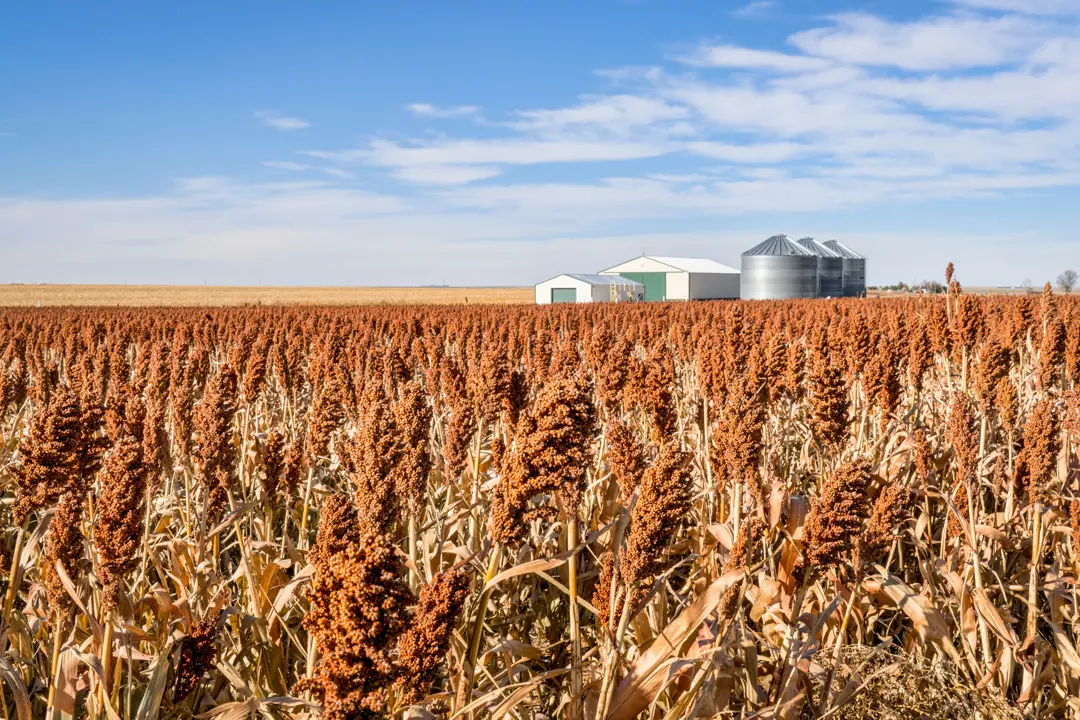
Kansas 101: Wheat Fields, Wizard of Oz, and Midwest Conservatism
Michael Reynolds • 12 Jan 2026 • 178 views • 3 min read.You think Kansas and picture Dorothy, yellow brick road, tornados sweeping flat endless wheat fields—flyover country where nothing happens. Reality? Kansas is America's agricultural powerhouse (producing 18% of U.S. wheat, feeding nation and world), Wichita is "Air Capital of World" (Boeing, Spirit AeroSystems, Cessna, Beechcraft—aviation manufacturing employs 40,000+), and Kansas City metro (split with Missouri) offers urban amenities while rest of state delivers genuine small-town America where $200,000 buys 3-bedroom home versus coastal $800,000. You move seeking affordability, low cost living, conservative values, and escape from chaos, but discover brutal isolation (drive 2 hours seeing nothing but wheat), extreme weather (tornados real—not movie fiction, 100+ yearly, plus blizzards, ice storms, 100°F summer heat), brain drain (young people flee to Denver, Kansas City leaving aging population), and cultural homogeneity (86% white, limited diversity, conservative Christianity dominates social life). The truth: Kansas offers genuine affordability, strong work ethic, tight-knit communities, and traditional American values but demands accepting emptiness as feature not bug, tolerating extreme weather including tornado risk, recognizing limited career opportunities outside aviation/agriculture, and understanding that "Kansas nice" coexists with deep conservatism where progressive ideas unwelcome—determining whether Kansas represents boring wasteland or peaceful refuge depends entirely on what you value: excitement and diversity versus stability and simplicity.
Geography and Climate: Flat, Empty, and Tornado Alley
Understanding Kansas:
Size and flatness:
15th largest state:
- 82,000 square miles
- Population: 2.9 million (35th)
- Density: 36 people/square mile (sparse—mostly rural)
The flatness stereotype:
- Not entirely true (western Kansas flat, eastern Kansas rolling hills)
- But vast open spaces everywhere (horizon stretches endlessly)
- Highest point: Mt. Sunflower 4,039 ft (western border—basically Colorado spillover)
- Lowest point: Verdigris River 679 ft (eastern border)
Three regions:
Eastern Kansas (population center):
- Cities: Kansas City metro (KCK 156,000), Topeka (capital, 126,000), Lawrence (100,000—KU)
- Geography: Rolling hills, forests, rivers
- Climate: Humid continental (four seasons)
- Economy: Government (Topeka), university (Lawrence—Kansas Jayhawks), metro spillover (KC)
- Vibe: Most urban (relatively), liberal pockets (Lawrence)
Central Kansas (wheat country):
- Cities: Wichita (397,000—largest city), Salina (46,000), Hutchinson (40,000)
- Geography: Flat plains, endless wheat fields
- Climate: Hot summers, cold winters, dry
- Economy: Agriculture (wheat, cattle), aviation (Wichita)
- Vibe: Conservative, working-class, family-oriented
Western Kansas (emptiest):
- Cities: Dodge City (28,000), Garden City (27,000), Liberal (20,000)
- Geography: High plains, completely flat, sparse
- Climate: Semi-arid (less rain, hotter, windier)
- Economy: Cattle ranching, meatpacking (immigrants—Hispanic majority some towns)
- Vibe: Frontier-esque, isolated, Old West history
Climate (extreme):
Wichita (central—typical):
- Summer: 90-100°F (hot, humid—heat index 105°F+)
- Winter: 20-40°F (snow 16 inches/year, ice storms)
- Spring/Fall: 50-80°F (tornado season—April-June)
- Rainfall: 34 inches/year (enough for wheat)
Tornado Alley reality:
- Kansas averages 96 tornados/year (4th most after Texas, Oklahoma, Florida)
- EF5 tornados: Devastating (Greensburg 2007—town destroyed, 11 dead)
- Tornado sirens: Part of life (tested monthly, real alerts common)
- Storm shelters: Basements essential (above-ground = risky)
Other weather extremes:
- Blizzards: Winter (I-70 closed, whiteout conditions)
- Ice storms: Frequent (trees down, power outages days)
- Heat waves: Summer (110°F+ possible, drought)
- Straight-line winds: 80+ mph (damage without tornado)
Natural disasters:
- Tornados: Annual (deadly, destructive)
- Floods: Spring (rivers overflow—Kansas River, Arkansas River)
- Droughts: Cyclical (Dust Bowl 1930s—still possible)
Cost of Living: Genuinely Affordable
Kansas advantage:
Housing (cheap):
Wichita (largest city):
- Median home: $210,000 (versus Denver $625,000, Kansas City MO $330,000)
- New construction: $250,000-300,000 (3-4 bedroom, 2,000 sq ft)
- Rent 1-bedroom: $800-1,000
Topeka (capital):
- Median: $175,000 (even cheaper)
- Government workers afford easily
Small towns:
- $120,000-150,000 (3-bedroom, yard, garage)
- Example: Salina, Hutchinson, Emporia
Kansas City KS:
- Median: $220,000 (cheaper than Missouri side $300,000)
Rural:
- $80,000-100,000 (older homes, small towns)
- Land cheap: $2,000-5,000/acre (farmland)
Taxes (moderate):
Income tax:
- 3.1% to 5.7% (progressive—middle-tier nationally)
- $75,000 income = ~$3,800 Kansas tax
Sales tax:
- 6.5% state + local (average 8.7%)
- Food taxed 4% (groceries—regressive, hurts poor)
Property tax:
- 1.4% (higher than neighbors—but homes cheap so absolute dollars low)
- $210,000 home = $2,940/year ($245/month)
Overall: Middle-of-the-pack taxes, but housing so cheap it offsets
Daily costs:
Groceries:
- 10-15% below national average
- Walmart, Dillons (Kroger), Aldi dominate
Gas:
- $3.20-3.60/gallon (cheaper than coasts)
Dining:
- Lunch: $10-14
- Dinner: $18-28 per person
- Chain restaurants dominate (Applebee's, Olive Garden—locally owned rare)
Healthcare:
- Affordable (but rural areas lack specialists—drive Wichita, Kansas City)
Income needed:
Wichita:
- Single: $45,000 comfortable
- Family: $75,000+ (kids, savings)
Small towns:
- $40,000 household = middle-class
Median household income: $64,000 (below national $75,000, but costs 30-40% lower)
Jobs and Economy: Aviation, Agriculture, and Limited Diversity
What Kansas offers:
Aviation (Wichita—"Air Capital"):
Companies:
- Spirit AeroSystems: Boeing supplier (fuselages—12,000 employees)
- Textron Aviation: Cessna, Beechcraft (business jets, small planes—8,000 employees)
- Airbus: Engineering center
History:
- Wichita built planes since WWI (Beech, Cessna, Stearman founded here)
- 90% of world's general aviation aircraft made Kansas (historically)
Salaries:
- Engineers: $70,000-110,000
- Machinists: $50,000-75,000 (union, good benefits)
- Stable (but cyclical—Boeing crashes = layoffs)
Agriculture:
Wheat:
- Kansas produces 18% of U.S. wheat (300+ million bushels/year)
- "Breadbasket of America" (feeds nation)
Cattle:
- Feedlots (western Kansas—Dodge City, Garden City)
- Meatpacking: Tyson, Cargill (employ 10,000+—mostly Hispanic immigrants)
Farm income:
- Family farms: $60,000-150,000 (volatile—commodity prices, weather)
- Corporate ag: Better (but pushing out small farmers)
Meatpacking (western Kansas):
Jobs:
- Tyson, National Beef, Cargill
- Pay: $35,000-50,000 (hard, dangerous work)
- Workforce: Primarily Hispanic immigrants (Somali refugees some plants)
Towns transformed:
- Garden City, Dodge City, Liberal: 50-60% Hispanic (influx 1990s-2000s)
- Culture clash: Conservative white residents, immigrant workers
- English Second Language common
Healthcare:
Stable:
- Nurses: $60,000-75,000
- Doctors: $180,000-300,000 (but rural shortage—hard recruiting)
Education:
Universities:
- Kansas State (Manhattan), Kansas (Lawrence), Wichita State
- Professors: $50,000-90,000
Limited opportunities:
What's missing:
- Tech (zero Silicon anything—Kansas City tries, limited)
- Finance (go to KC or out-of-state)
- Corporate HQ (few Fortune 500—Sprint left, merged T-Mobile)
Brain drain:
- College grads leave (Denver, Dallas, KC, Chicago)
- Aging population (young flee, elderly stay)
Politics: Deep Red, Conservative Christian
Kansas political identity:
GOP dominance:
Statewide:
- Trump +15% (2020), +14% (2024)
- Governor: Democrat Laura Kelly (2018-2026—anomaly, moderate, won backlash to Brownback)
- Legislature: GOP supermajority (80%+)
- Both senators, all House reps Republican
Why so red?
- Rural (conservative values)
- Aging population (elderly vote Republican)
- Christian (evangelical, mainline Protestant—church central to life)
- Anti-abortion (strongly pro-life—but 2022 referendum voters rejected ban—surprising)
Urban-rural divide:
Lawrence (liberal island):
- College town (KU—28,000 students)
- Votes Democrat (Bernie Sanders won 2016 primary)
- LGBT-friendly (Pride events, progressive businesses)
- Isolated (surrounded by red)
Kansas City, Topeka:
- Purple (split—cities lean blue, suburbs red)
Rest of state:
- Deep red (Trump +30 to +50% rural counties)
Issues:
Abortion:
- 2022 referendum: Voters rejected constitutional ban (59%-41%—shocked observers)
- Showed Kansas more moderate on choice than stereotype
Education funding:
- Kansas Supreme Court ordered increased funding (GOP legislature resisted—ongoing battle)
Brownback tax cuts (2012-2017):
- Governor Sam Brownback slashed taxes (income, corporate)
- "Kansas experiment" (supply-side economics)
- Result: Budget collapse (schools underfunded, infrastructure crumbling)
- Repealed 2017 (even GOP legislature admitted failure)
- Lesson: Extreme tax cuts don't work
Small-Town Culture: Tight-Knit but Insular
Understanding Kansas communities:
What it's like:
Everyone knows everyone:
- Small towns (population 500-5,000)
- Gossip travels fast (no anonymity)
- Generational families (grandparents, parents, kids—all stayed)
Church central:
- Social hub (not just Sunday—dinners, events, community)
- Denominations: Methodist, Baptist, Catholic (Lutheran in German towns)
- Atheist/agnostic = outsider (keeps quiet or ostracized)
Friday night lights:
- High school football (town shuts down for games)
- Basketball (Kansas invented it—Naismith, KU)
- Sports = community identity
Positives:
Friendly:
- Wave to strangers
- Help neighbors (harvest, emergencies)
- Potlucks, casseroles (Midwest hospitality real)
Safe:
- Crime low (doors unlocked, keys in car—still possible)
- Kids play outside unsupervised (wholesome 1950s vibe)
Negatives:
Insular:
- Outsiders never fully accepted (takes 10-20 years, maybe never)
- "Where'd you go to high school?" (Kansas question—determines your status)
Homogeneous:
- 86% white (limited diversity—except meatpacking towns)
- Conservative Christianity assumed (questioning unwelcome)
Judgy:
- Divorce, single parenthood, LGBT = whispered about
- Conform or be ostracized
Brain drain:
- Smart, ambitious kids leave (college, never return)
- Towns age, decline (shuttered Main Streets, empty schools)
The Wizard of Oz: Cultural Touchstone
Kansas identity:
"There's no place like home":
Dorothy Gale (from Kansas) clicks ruby slippers, returns home from Oz
- Message: Kansas boring but safe, home, real (Oz exciting but fake, dangerous)
- Kansans embrace it (Dorothy represents them—grounded, wholesome)
Tourism:
- Oz Museum (Wamego—small town, tourists visit)
- Dorothy's House (Liberal—tourist trap)
- Yellow Brick Road (Sedan—painted road)
Pride:
- Kansans love Oz connection (represents them—humble, hardworking, values)
Tornados: The Real Threat
Not just movies:
Statistics:
96 tornados/year average:
- Peak season: April-June (spring storms)
- Most: EF0-EF2 (minor damage—shingles, trees)
- Deadly: EF4-EF5 (rare but catastrophic)
Famous tornados:
- Greensburg (2007): EF5 (205 mph winds), town 95% destroyed, 11 dead, rebuilt "green"
- Joplin (2011): Missouri but close (161 dead—shows stakes)
Tornado culture:
Preparation:
- Basements (storm shelters—mandatory new construction)
- Tornado sirens (tested 1st Wednesday monthly)
- Weather radios (alerts overnight)
- Apps: Tornado warnings (phone alerts)
Chasing:
- Storm chasers (tourists, researchers—dangerous, reckless some)
- Locals watch from porch (Midwest stereotype true—assess before sheltering)
Insurance:
- Higher premiums (tornado risk)
- Deductibles: Wind/hail separate (expensive)
Brain Drain and Aging Population
The exodus:
Young people leave:
Pattern:
- Graduate high school → KU, K-State (in-state universities)
- Graduate college → leave Kansas (Denver, Dallas, Kansas City, Chicago)
- Never return (better jobs, culture, dating pool elsewhere)
Result:
- Aging population (median age 37—rising)
- Rural towns dying (schools close, Main Streets empty)
- Wichita, KC suburbs stable (but Topeka, small towns decline)
Why they leave:
Limited opportunities:
- Jobs: Aviation, ag, healthcare (that's it—no tech, finance, startups)
- Low wages (save 30% cost living, but earn 20% less—net loss ambition)
Culture:
- Conservative (young people more liberal—feel stifled)
- Boring (no concerts, nightlife, culture—compared to cities)
- Homogeneous (diverse people feel isolated)
Dating:
- Small pool (everyone knows everyone—hard finding partner)
Kansas offers genuine-affordability Wichita-$210K median-home Topeka-$175K small-towns-$120-150K versus-coastal-$800K saving-thousands-annually 30-40%-lower-cost-living, aviation-jobs Wichita-Air-Capital Spirit-AeroSystems-Textron-Boeing-supplier $70-110K-engineers stable-employment, agriculture-wheat-18%-U.S.-production cattle-feedlots-meatpacking Tyson-Cargill $35-50K-jobs Hispanic-immigrants-transformed western-towns Garden-City-Dodge-City-Liberal 50-60%-Hispanic, tight-knit-communities everyone-knows-everyone church-central-social-hub Friday-night-lights high-school-football potlucks-Midwest-hospitality safe-low-crime wholesome-1950s-vibe but extreme-weather tornados-96-yearly EF5-Greensburg-2007-town-destroyed blizzards-ice-storms-100°F-summer-heat tornado-sirens-basements-mandatory weather-apps-constant-vigilance, brutal-isolation drive-2-hours-nothing-but-wheat small-towns-dying brain-drain-young-leave college-grads-flee-Denver-Dallas-KC aging-population median-age-37-rising Main-Streets-empty schools-close, deep-conservatism Trump-15% GOP-supermajority Christian-evangelical-assumed LGBT-unwelcome conform-or-ostracized 86%-white-limited-diversity insular-outsiders-never-fully-accepted "where'd-you-go-high-school" determines-status homogeneous-culture progressive-ideas-unwelcome. Limited-career-opportunities aviation-agriculture-healthcare missing-tech-finance-corporate-HQ median-income-$64K below-national-but-costs-offset, Wizard-of-Oz cultural-touchstone Dorothy-ruby-slippers "there's-no-place-like-home" Kansas-boring-but-safe-grounded-wholesome-values Oz-Museum-tourism-pride representing-humble-hardworking-Midwest-ethos determining Kansas-represents boring-wasteland-or-peaceful-refuge depends-entirely-what-you-value excitement-diversity-versus stability-simplicity-traditional-American-values accepting-emptiness-feature-not-bug tolerating-extreme-weather tornado-risk recognizing-genuine-affordability-tight-communities-strong-work-ethic coexist-deep-conservatism-cultural-homogeneity-limited-opportunities where-Kansas-nice-meets-Midwest-conservatism defining-heartland-America experience love-it-or-leave-it.