
Kentucky 101: Bourbon, Horses, and Bluegrass Tradition
Michael Reynolds • 13 Jan 2026 • 212 views • 4 min read.You think Kentucky is hillbilly backwater defined by Colonel Sanders, poverty, and inbred stereotypes—irrelevant state tourists pass through on way to Nashville or Cincinnati. Reality? Kentucky is bourbon empire producing 95% global supply (100+ distilleries—Maker's Mark, Jim Beam, Woodford Reserve, $9 billion annual economic impact), horse racing aristocracy where Churchill Downs Kentucky Derby (first Saturday May—"Most Exciting Two Minutes in Sports," $3 million purse, 150,000+ attendance) defines international identity, and surprising economic diversity hosting Toyota Georgetown (largest manufacturing plant North America—$8+ billion investment, 10,000 employees), Amazon Hebron air hub ($1.5 billion, 2,000 jobs), and bourbon tourism (2 million visitors annually—more than Churchill Downs). You dismiss bluegrass music until discovering Bill Monroe invented genre 1940s (Ryman Auditorium Nashville connection—mandolin, banjo, high lonesome sound cultural export), bourbon barreling aging process Kentucky limestone water creates flavor (95%+ whiskey distilled here—geographic advantage). But brutal truth: Kentucky demands accepting deep poverty (Appalachian eastern counties 30%+ rates—coal mining collapse, opioid epidemic devastating), conservative politics (Mitch McConnell Senate Majority Leader decades—Trump +26% 2020, abortion restricted), health crisis (obesity 36% highest nationally, smoking 23%—systemic issues), and cultural divide where Louisville progressive island (bourbon, arts, diverse—65% Biden) battles rural conservative Kentucky (Trump +50-70% counties—perpetual statewide Republican dominance). The truth: Kentucky offers bourbon authenticity, horse heritage, affordable living—but demands accepting Appalachian poverty, health disparities, political extremism, and recognition that "Unbridled Spirit" celebrates tradition while masking structural challenges most residents can't escape.
Geography and Climate: Bluegrass, Mountains, and River Borders
Understanding Kentucky:
Size and landscape:
- 37th largest state:
- 40,000 square miles
- Population: 4.5 million (26th)
- Density: 114 people/square mile (concentrated Louisville/Lexington, Appalachia sparse)
- Five distinct regions:
- Bluegrass Region: Lexington center (rolling hills, limestone—horse country, affluent)
- Eastern Mountains: Appalachia (coal country, poverty, rugged—culturally distinct)
- Western Coal Field: Owensboro area (coal declining, agriculture)
- Pennyroyal/Pennyrile: South-central (Mammoth Cave, rolling farmland)
- Jackson Purchase: Western extreme (between Tennessee/Ohio Rivers—Mississippi influence)
- Borders:
- Ohio River: Northern (Cincinnati, Louisville—economic lifelines)
- Mississippi River: Western extreme (strategic historically)
- Appalachian Mountains: Eastern (isolated, coal mining legacy—poverty concentrated)
Two major metros (Louisville dominates):
Louisville (largest city):
- Metro: 1.3 million (30% state population—overwhelming dominance)
- Economy: Logistics (UPS Worldport hub—largest sorting facility globally, 20,000 employees), bourbon (Heaven Hill, Brown-Forman—downtown warehouses), healthcare (Baptist Health, Norton), manufacturing (GE Appliance Park, Ford)
- Culture: Progressive (by Kentucky standards—LGBTQ+ friendly, arts scene, bourbon culture), Catholic heritage (German/Irish immigrants—Louisville archdiocese influential), racial tensions (Breonna Taylor 2020—protests, police reform debates)
- Derby: Churchill Downs (Kentucky Derby first Saturday May—$3 million purse, 150,000+ attendance, $400+ million economic impact, mint juleps mandatory $15 cocktail, fancy hats tradition)
Lexington (horse capital):
- Metro: 520,000 (second city—12% state population)
- Economy: Horses (thoroughbred breeding, training, sales—Keeneland racecourse $1+ million yearling auctions), University of Kentucky (30,000 students—basketball religion, Wildcats obsession), bourbon tourism (distillery trail nearby)
- Culture: Affluent (by Kentucky standards—horse farms $10+ million estates), educated (UK influence—44% bachelor's degree), basketball-obsessed (Rupp Arena 20,000 capacity—UK games religion, "Big Blue Nation" fanatical)
- Bluegrass: Region nickname (grass blue-green hue spring—limestone soil, horse farms scenic)
Regional differences (extreme):
Eastern Kentucky (Appalachian poverty):
- Counties: Pike, Harlan, Letcher, Floyd (coal mining legacy—declined)
- Economy: Coal collapsed (mechanization, natural gas competition, regulations—employment 100,000+ peak to 4,000 now)
- Poverty: 30-35% rates (worst state—systemic, generational)
- Opioid crisis: Epicenter (OxyContin prescription mills—addiction devastated region)
- Population: Declining (young people flee—aging, dying towns)
Climate (four seasons, humid):
Louisville/Lexington:
- Summer: 85-90°F (hot, humid—oppressive July/August)
- Winter: 30-45°F (mild by Midwest standards—occasional ice storms, snow 15 inches/year)
- Spring/Fall: Beautiful (Derby week perfect, fall foliage—tourism peaks)
Eastern mountains:
- Cooler: 5-10°F lower (elevation—but still hot summers)
- Snow: More (mountain effect—25+ inches annually)
Severe weather:
- Ice storms: Devastating (2009 storm 700,000 without power, tree damage billions—Kentucky unprepared)
- Tornados: 20+ yearly (western Kentucky tornado alley—December 2021 Mayfield EF4 killed 80+, nighttime tornado unprecedented)
- Floods: Flash floods Appalachia (steep terrain—rapid, deadly, 2022 floods eastern Kentucky killed 40+)
Bourbon Industry: 95% Global Production
Understanding Kentucky bourbon dominance:
Why Kentucky:
- Limestone water: Filters iron (iron ruins bourbon—calcium/magnesium ideal), adds minerals (flavor profile—geographic advantage irreplicable)
- Climate: Hot summers expand barrels (bourbon penetrates wood—extracts flavor, color), cold winters contract (breathing process—aging accelerates versus Scotland)
- Corn: Abundant (bourbon requirement 51%+ corn—Kentucky agriculture produces)
- Tradition: 1780s settlers (Scottish/Irish distillers—whiskey-making knowledge, bourbon invented here)
- Legal definition: "Bourbon" must be U.S.-made (95%+ Kentucky production—but technically any state could)
Major distilleries:
Jim Beam:
- Largest: Clermont (700,000 barrels aging—family-owned 1795 until Suntory acquired)
- Visitors: 250,000 annually (tours $15-60—tastings, history, gift shop)
Maker's Mark:
- Iconic: Red wax seal (hand-dipped—tour shows process, visitors dip own bottle)
- Premium: Small-batch (wheated bourbon—softer than rye, $30-40 bottle)
Woodford Reserve:
- Premium: $40+ bottles (triple pot distilled—Glen's Creek limestone water, horse country scenic)
Buffalo Trace:
- Historic: 1786 (oldest continuous operation—Pappy Van Winkle allocated bottles $3,000+ secondary market)
Heaven Hill:
- Largest: Family-owned (Bardstown—Evan Williams, Elijah Craig brands)
Economic impact:
Production: 11 million barrels aging (2.4 barrels per Kentucky resident—more barrels than people)
Employment: 22,500 direct jobs (distillery workers, bottling, warehouse—$1.3 billion payroll)
Tourism: 2 million visitors annually (bourbon trail—$400+ million economic impact, hotels/restaurants)
Exports: $600+ million (global demand—Japan, Australia, Germany top markets)
Tax revenue: $300+ million state (excise, property, income—crucial state budget)
Bourbon Trail (Kentucky tourist pilgrimage):
- Launched: 1999 (tourism board marketing—genius)
- Distilleries: 40+ participate (passport program—stamps, prizes encourage visiting multiple)
- Experience: Tours $15-100 (tasting, barrel picking, craft cocktails—educational entertaining)
- Hotels: Bourbon-themed (21c Museum Hotel Louisville—art + bourbon, distillery district lodging)
Culture:
- Daily drinking: Bourbon normal (unlike scotch special occasion—bourbon affordable, accessible)
- Old Fashioned: State cocktail (bourbon, sugar, bitters, orange—classic)
- Derby: Mint julep mandatory ($15 Churchill Downs—bourbon, mint, crushed ice, silver cup tradition)
Horse Racing: Sport of Kings
Understanding Kentucky horse culture:
Kentucky Derby (first Saturday May):
- History: 1875 inaugural race (Churchill Downs Louisville—longest-running sports event U.S.)
- "Most Exciting Two Minutes in Sports": 1.25-mile race (thoroughbreds three-year-old—pinnacle racing)
- Attendance: 150,000+ (infield party 80,000—general admission $80, drunken revelry, opposite millionaire's row $5,000+ seats)
- Purse: $3 million winner (breeding value skyrockets—stud fees $100,000+)
- Traditions:
- "My Old Kentucky Home": Pre-race (Stephen Foster song—emotional, 150,000 sing, tears common)
- Mint juleps: 120,000+ sold (bourbon cocktail—$15 souvenir glass, tradition since 1938)
- Hats: Women wear elaborate ($200-2,000—bigger better, competition informal)
- Fashion: Men seersucker suits, bow ties (Southern gentleman aesthetic—Derby day only acceptable)
Triple Crown:
- First leg: Kentucky Derby (May)
- Second: Preakness Stakes Maryland (two weeks later)
- Third: Belmont Stakes New York (three weeks after Preakness)
- Rarity: 13 winners history (most recent Justify 2018, American Pharoah 2015 before that 37-year drought—extremely difficult)
Breeding industry:
Keeneland:
- Auctions: Yearling sales (September—$1+ million average thoroughbreds, world-record $9.5 million)
- Racing: Spring/Fall meets (Lexington—intimate, beautiful, locals attend)
Horse farms:
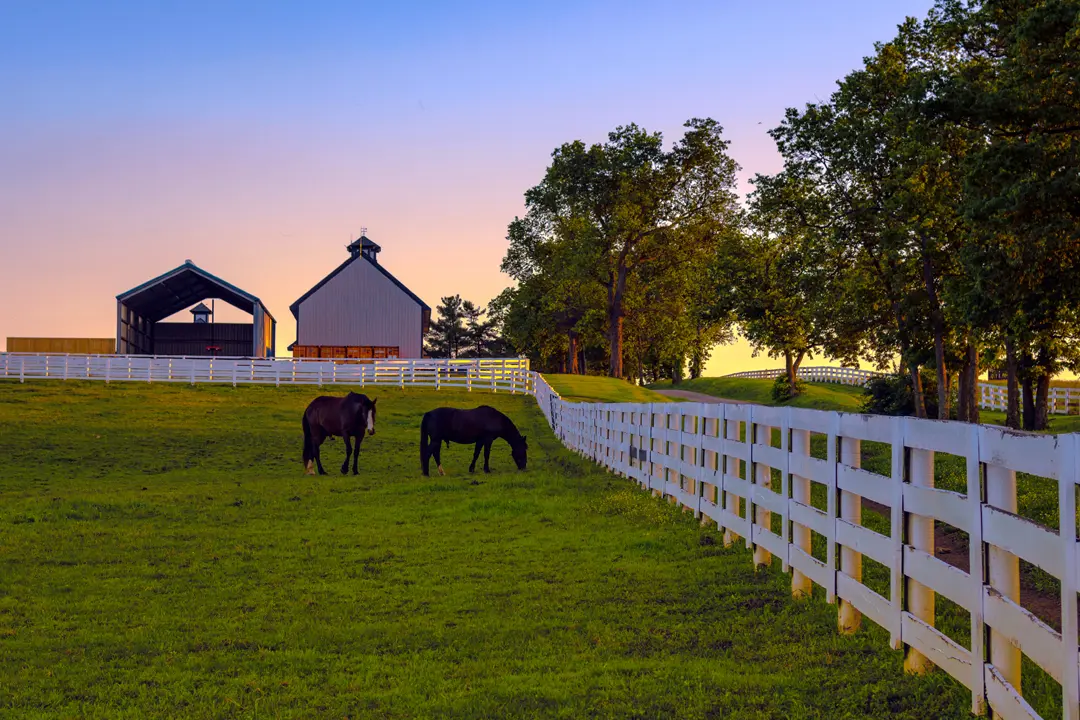
- Bluegrass estates: 450+ farms (10-5,000 acres—white fences iconic, $10+ million properties)
- Employment: 40,000+ jobs (trainers, jockeys, grooms, veterinarians—$4 billion economic impact annually)
- Breeding: Stud fees (top stallions $100,000-300,000 per breeding—passive income retired champions)
Economic reality:
- Wealthy sport: Ownership prohibitively expensive ($50,000 purchase minimum, $50,000+ annual training costs—rich person's hobby)
- Working-class: Backside workers ($30,000-40,000 grooms, hot walkers—labor intensive, low pay)
- Gambling: Pari-mutuel betting (legal—$100+ million wagered Derby day)
Appalachian Poverty and Coal Decline
Understanding eastern Kentucky crisis:
Coal industry collapse:
- Peak: 1970s-1990s (100,000+ miners—middle-class wages $60,000-80,000, union benefits, pensions)
- Decline: 2000s-present (mechanization, natural gas fracking cheaper, environmental regulations—employment 4,000 now)
- Mountaintop removal: Environmental devastation (entire mountains removed—streams buried, landscapes scarred)
- Black lung: Disease epidemic (coal dust—disability, early death, miners' compensation fights)
Current reality:
Poverty: 30-35% eastern counties (versus 16% statewide—concentrated, systemic)
Unemployment: 10-15% official (actual higher—discouraged workers not counted)
Population decline: Young people flee (no opportunities—aging, dying towns, schools closing)
Infrastructure: Crumbling (roads potholed, broadband absent—isolated further)
Opioid epidemic (ground zero):
OxyContin: Prescription mills 1990s-2010s (doctors overprescribed—Purdue Pharma targeted region)
Addiction: Generational (parents addicted, children born dependent—foster care overwhelmed)
Overdoses: 50+ per 100,000 (triple national rate—fentanyl now dominant)
Treatment: Inadequate (facilities sparse, Medicaid expansion helped—but demand exceeds capacity)
Economic despair:
Disability: High rates (black lung, back injuries, obesity—Social Security Disability income common)
Food insecurity: 25%+ (food banks essential—charitable organizations strained)
Education: Poor outcomes (schools underfunded, teachers flee—cycle perpetuates)
Political resentment:
- Trump landslide: +70-80% eastern counties (coal promises—"War on Coal" rhetoric, Democrat blamed decline)
- McConnell: Senate Majority Leader (powerful but eastern Kentucky still struggles—federal aid minimal)
Conservative Politics: McConnell and Republican Dominance
Understanding Kentucky politics:
Statewide (solidly Republican):
- Presidential: Trump +26% 2020 (landslide—Biden 36%, Trump 62%)
- Governor: Andy Beshear Democrat (reelected 2023—anomaly, popular moderate, COVID response praised)
- Legislature: Republican supermajority (Democrats minimal power—veto overrides routine)
- Mitch McConnell: Senate Majority Leader 1985-2007, 2015-2021 (Minority Leader currently—most powerful Kentuckian ever, polarizing)
Louisville exception:
- Biden +25% Jefferson County (Louisville—progressive island, 65% Biden)
- Lexington: Biden +18% Fayette County (university influence—educated voters)
- Combined: Not enough (rural dominance overwhelming—statewide Republican)
Rural Trump dominance:
- Eastern Kentucky: Trump +70-80% (coal resentment—economic despair, cultural conservatism)
- Western Kentucky: Trump +50-60% (agricultural, evangelical—traditional)
Social issues:
Abortion:
- Restricted: Six-week ban (2022—rape/incest no exceptions, life endangerment only)
- Referendum: Voted against constitutional ban 2022 (52-48%—surprising, but legislature ignores)
LGBTQ+ rights:
- Hostile: Trans sports bans, healthcare restrictions (youth gender-affirming care criminalized)
- Louisville exception: LGBTQ+ friendly (but statewide environment uncomfortable)
Education:
- Evolution/climate: Controversial (creationism influence—textbook battles)
- Funding: Low ($11,000 per pupil—below national $13,000, teacher pay $52,000 adequate but not competitive)
Mitch McConnell legacy:
- Federal judge appointments: Confirmed 200+ (Trump era—generational conservative judiciary)
- Obstructionism: Blocked Obama Supreme Court pick Merrick Garland (2016—controversial, effective)
- Trump: Complicated (condemned January 6, but voted acquit impeachment—calculated)
- Approval: Low in Kentucky (40%—but reelection wins regardless, name recognition, seniority valued)
Cost of Living: Affordable, But Limited Opportunities
Kentucky expenses:
Housing (very affordable):
Louisville:
- Median: $240,000 (reasonable for largest metro—but highest Kentucky)
- Suburbs: Oldham County $350,000-500,000 (wealthy—horse farms, low density), Shelby County $260,000-350,000 (growing, new construction)
- Neighborhoods: Highlands $280,000-400,000 (walkable, trendy—young professionals), Clifton $200,000-300,000 (historic, University of Louisville students)
- Rent: $900-1,400 1-bedroom (downtown $1,200-1,700)
Lexington:
- Median: $260,000 (horse money inflates—but still reasonable nationally)
- Suburbs: $280,000-400,000 (excellent schools—Hamburg area)
- Horse farms: $500,000-10 million+ (estates—wealthy only)
Smaller cities:
- Bowling Green: $200,000 (Western Kentucky University town—affordable)
- Owensboro: $180,000 (western Kentucky—very cheap)
- Eastern Kentucky: $120,000-180,000 (poverty depresses—but no jobs)
Taxes (low):
- Income tax: 4% flat (low—simple system)
- Sales tax: 6% (no local add-ons—consistent statewide)
- Property tax: 0.86% average ($240,000 home = $2,064/year or $172/month—low)
Daily costs:
- Groceries: 8-10% below national average (Kroger Cincinnati-based nearby—competitive)
- Gas: $2.90-3.30/gallon
- Dining: $11-15 lunch, $20-32 dinner (Hot Brown sandwich Kentucky specialty—Louisville invention, open-faced turkey, Mornay sauce $16-20)
- Bourbon: $25-50 bottles (local advantage—distillery purchases cheaper)
Overall verdict:
- Cost: 12-15% below national average (housing savings significant)
- Salaries: 15-20% below national (lower cost offsets—purchasing power comparable)
- Quality: Affordable homeownership achievable ($240,000-280,000 gets good house)
Living in Kentucky: Who Fits?
Who thrives:
Bourbon enthusiasts:
- Industry: Distillery jobs $50,000-80,000 (bottling, aging, warehousing—stable careers)
- Tourism: Bourbon trail (annual pilgrimage—hotels, restaurants benefit)
- Culture: Daily drinking normalized (affordable, accessible—social lubrication)
Horse racing fans:
- Derby: Annual tradition (tickets $80-5,000—experience bucket list)
- Breeding: Wealthy industry (jobs $40,000-100,000+—but elite ownership)
Cost-conscious families:
- Housing: $240,000-280,000 suburban (Louisville/Lexington suburbs—good schools Oldham County, Fayette County)
- Space: Land affordable (acreage possible—rural lifestyle accessible)
Manufacturing workers:
- Toyota: $60,000-80,000 (Georgetown—union wages, benefits, stable)
- Ford: Louisville assembly ($55,000-75,000—UAW protected)
Conservatives:
- Politics: Republican dominance (Trump +26%—comfortable environment)
- Religion: Baptist/evangelical strong (church community—social networks)
Who struggles:
Appalachian residents:
- Coal: Gone (100,000 jobs to 4,000—opportunity disappeared)
- Poverty: 30-35% (systemic, generational—escape difficult)
- Opioids: Epidemic (addiction devastated—treatment inadequate)
- Population: Fleeing (young people leave—dying towns)
Progressives:
- Politics: Powerless (Republican supermajority—voice ignored)
- Abortion: Restricted (six weeks—healthcare access limited)
- LGBTQ+: Hostile (trans bans, discrimination—unsafe rural)
Health-conscious:
- Obesity: 36% (highest nationally—food culture unhealthy)
- Smoking: 23% (double national—cultural acceptance)
- Healthcare: Outcomes poor (life expectancy 75.5 years versus 79 national—systemic)
Career climbers:
- Limited industries: Bourbon, horses, manufacturing (white-collar minimal—Louisville/Lexington only)
- Brain drain: University of Kentucky graduates flee (Louisville, Nashville, Cincinnati—limited retention)
Kentucky offers bourbon authenticity for specific populations—distillery workers/tourists (95% global bourbon production, 2 million visitors annually bourbon trail), horse racing enthusiasts (Kentucky Derby 150,000+ attendance, $3 million purse—"Most Exciting Two Minutes in Sports"), manufacturing employees (Toyota Georgetown 10,000 jobs $60,000-80,000, Ford Louisville assembly), and conservatives embracing Trump +26% dominance (Mitch McConnell Senate legacy decades, abortion six-week ban). Affordable living ($240,000 Louisville/Lexington homes, 12-15% below national costs), bluegrass tradition, Southern hospitality appeal to those accepting Appalachian poverty (eastern Kentucky coal collapse 30-35% poverty rates, opioid epidemic devastated), health disparities (obesity 36% highest nationally, smoking 23%), political extremism (Republican supermajority, LGBTQ+ hostile environment), and recognition Louisville/Lexington progressive islands surrounded Trump +70% rural counties. Bourbon limestone water irreplicable advantage, horse breeding $4 billion industry, but opportunities limited outside bourbon/horses/manufacturing. For the right person, Kentucky's tradition, affordability, bourbon culture justify health risks and political conservatism. For others, poverty and limited opportunity outweigh cost savings.
Kentucky works for those valuing tradition and accepting Appalachian realities.