
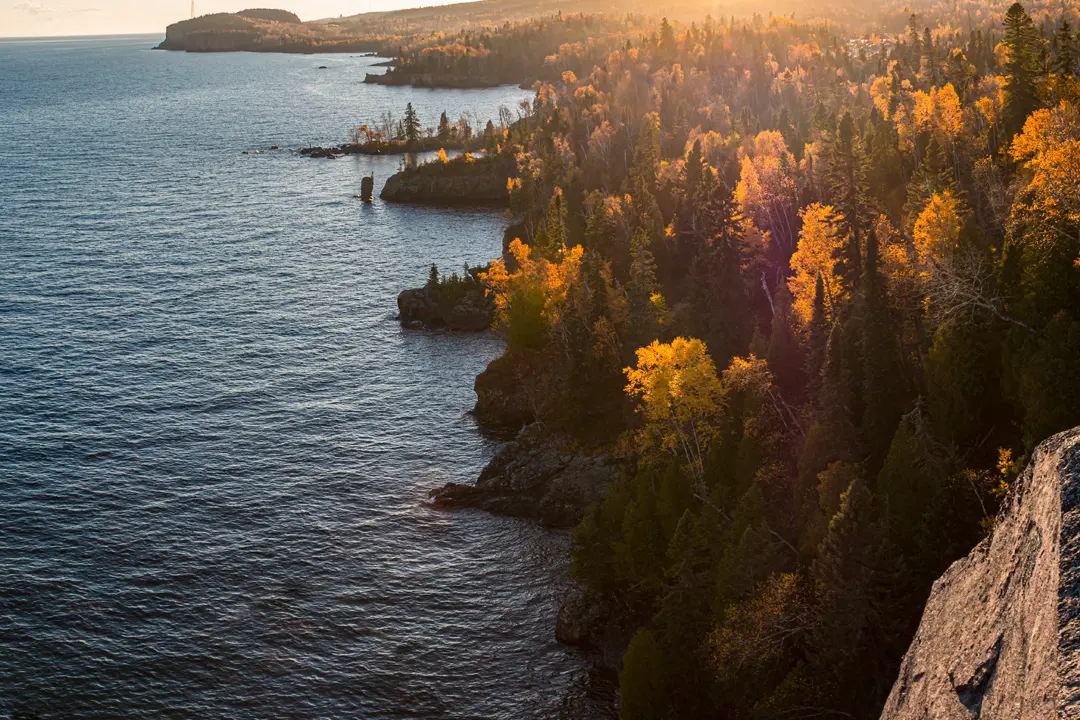
Minnesota 101: Land of 10,000 Lakes, Nordic Roots, and Minnesota Nice
Michael Reynolds • 13 Jan 2026 • 119 views • 4 min read.You think Minnesota is frozen tundra populated by "Minnesota nice" people who secretly hate you, irrelevant flyover state except Target headquarters and Prince. Reality? Minnesota is economic powerhouse hosting 16 Fortune 500 companies (more per capita than New York—Target, Best Buy, 3M, UnitedHealth, General Mills), progressive oasis where Minneapolis/St. Paul Twin Cities metro (3.7 million—70% state population) offers culture, dining, arts rivaling coastal cities while maintaining Midwest affordability ($350,000 median home versus Seattle $800,000). You dismiss "10,000 lakes" tagline until discovering Minnesota actually has 11,842 lakes (state pride demands accuracy), creating outdoor paradise where summer cabins "up north" define identity, ice fishing is religion, and water recreation isn't luxury but birthright. But harsh truth: Minnesota demands accepting punishing winters (-30°F wind chills, ice/snow October-April—six months), navigating "Minnesota nice" passive-aggression (surface friendliness masks genuine coldness—outsiders never fully accepted), high taxes (5.35%-9.85% income tax—third highest nationally), and political division where progressive Twin Cities battle conservative rural Minnesota in perpetual culture war. The truth: Minnesota offers genuine quality of life—economic opportunity, cultural amenities, outdoor recreation, progressive values—but demands accepting brutal winters, social barriers, tax burden, and recognition that "Minnesota nice" provides civility while creating emotional distance.
Geography and Climate: Lakes, Forests, and Frozen Hell
Understanding Minnesota:
Size and landscape:
- 12th largest state:
- 86,000 square miles
- Population: 5.7 million (22nd)
- Density: 68 people/square mile (Twin Cities concentrated, "Greater Minnesota" sparse)
- Not flat plains:
- Northern Minnesota: Superior National Forest, Boundary Waters (wilderness, lakes, Canadian border)
- Central Minnesota: Transition zone (lakes, farms, forests—"up north" cabin country)
- Southern Minnesota: Prairie, agricultural (corn, soybeans—Iowa-like)
- Western Minnesota: Red River Valley (flat farmland—North Dakota border)
Three distinct regions:
Twin Cities metro (economic/cultural center):
- Cities: Minneapolis (430,000), St. Paul (310,000—distinct identities, friendly rivalry)
- Metro: 3.7 million (16 counties—70% state population)
- Economy: Corporate headquarters (Fortune 500s), healthcare (Mayo Clinic Rochester, UnitedHealth), technology (Medtronic, Boston Scientific)
- Culture: Progressive, diverse (by Minnesota standards—75% white, growing immigrant communities)
- Geography: Mississippi River, lakes within cities (Calhoun, Harriet—urban recreation)
Greater Minnesota (everything outside metro):
- Cities: Duluth (87,000—Lake Superior port), Rochester (122,000—Mayo Clinic), St. Cloud (68,000)
- Economy: Agriculture (corn, soybeans, dairy), mining (Iron Range—taconite, historic ore), tourism (lakes, resorts—cabin culture)
- Culture: Conservative, traditional (Trump counties—rural/urban divide extreme)
- Geography: Northern forests/lakes, southern prairie (distinct from Twin Cities)
Iron Range (northeastern—unique identity):
- History: Iron ore mining (1880s-1980s boom, decline, remnants)
- Culture: Working-class, union (DFL Democratic-Farmer-Labor stronghold historically, Trump shift recent)
- Towns: Hibbing (Bob Dylan birthplace), Virginia, Eveleth (Hockey Hall of Fame)
- Economy: Struggling (mining decline, population loss, aging)
Climate (winter defines everything):
Twin Cities:
- Summer: 75-85°F (pleasant, humid—three glorious months)
- Winter: 0-25°F average (December-February brutal)
- Record cold: -41°F (wind chill -60°F possible—life-threatening)
- Snow: 55 inches/year (November-April—shovel constantly)
- Spring/Fall: Beautiful but brief (two weeks each—joke reality)
Northern Minnesota (worse):
- Temperatures: 5-10°F colder than Twin Cities (longer winters)
- Snow: 70-100 inches/year (International Falls coldest continental U.S.—"Icebox of Nation")
- Ice-out: Lakes frozen November-May (seven months—summer fishing brief)
Why winter matters culturally:
- Identity: Minnesotans take pride surviving (weather toughness = character)
- Humor: Self-deprecating jokes constant ("only two seasons—winter and road construction")
- Activities: Embrace winter (ice fishing, hockey, snowmobiling—resistance futile, adapt)
- Seasonal affective disorder: Real problem (darkness, cold, isolation—depression rates high)
- Infrastructure: Essential (heated skyways downtown, garage parking universal—winter preparedness)
Severe weather:
- Blizzards: I-94 closed, whiteout conditions (hypothermia deaths regular)
- Ice storms: Freezing rain (power outages, tree damage, impossible travel)
- Tornados: 45+ yearly (southern Minnesota—EF3/EF4 possible)
- Floods: Mississippi, Red River (1997, 2009 Fargo—sandbagging community effort)
- Summer humidity: Oppressive (90°F, 80% humidity—Midwest muggy)
Minnesota Nice: Passive-Aggressive Explained
Understanding the phenomenon:
What is Minnesota nice:
- Surface friendliness: Polite, helpful, smiling (strangers chat weather, hold doors)
- Passive-aggression: Conflict avoidance (indirect communication, "that's interesting" = disagrees)
- Social barriers: Difficult penetrating (transplants struggle making genuine friends—cliques formed childhood)
- Cultural norm: Scandinavian heritage (Norwegian, Swedish, Finnish—reserved, conflict-averse)
How it manifests:
Positive aspects:
- Civility: Public interactions pleasant (driving courteous, service workers friendly)
- Helpfulness: Will assist strangers (car stuck snow, directions given, emergencies aided)
- Community: Volunteerism high (civic engagement, charity, neighborhood events)
- Safety: Low confrontation (violent crime below average—passive nature reduces conflict)
Negative aspects:
- Fake friendliness: Surface only (invitation "we should get together sometime" never happens)
- Gossip culture: Won't confront directly (talk behind back instead—social enforcement)
- Cliquish: High school/college friends = lifetime (newcomers outsiders decades—never fully accepted)
- Judgment hidden: Smile while disapproving (passive-aggressive notes, indirect criticism)
Transplant experiences:
Common complaints:
- "Made acquaintances, not friends" (surface relationships only—depth impossible)
- "Invited once, never again" (Minnesota nice = polite rejection)
- "Everyone already has friend groups" (closed circles—penetrating requires years)
- "Passive-aggressive communication exhausting" (say what you mean—direct honesty punished)
Coping strategies:
- Join activities: Sports leagues, volunteering, church (repeated exposure builds trust slowly)
- Patience: Acceptance takes 5-10 years (not months—long game required)
- Other transplants: Bond with fellow outsiders (shared struggle creates community)
- Accept reality: Surface friendships okay (deep connections rare—adjust expectations)
Cultural explanation:
- Scandinavian heritage: Reserved, private, conflict-averse (emotional restraint valued)
- Harsh climate: Cooperation required survival (helping strangers practical, not emotional)
- Homogeneity: 79% white, mostly Nordic/German (shared cultural norms—outsiders obvious)
- Small-town origins: Most Minnesotans small-town roots (everyone knows everyone—newcomers suspect)
Twin Cities: Underrated Urban Quality
Understanding Minneapolis/St. Paul:
Two cities, one metro:
- Minneapolis: Larger, liberal, corporate (downtown towers, arts scene, nightlife)
- St. Paul: Smaller, traditional, government (capital—legislative, Irish Catholic heritage)
- Rivalry: Friendly competition (sports fans divided, neighborhood loyalty intense)
- Complementary: Combined create complete metro (work Minneapolis, live St. Paul common)
Economic strength:
Fortune 500 headquarters (16 companies):
- Target: Retail giant (headquarters Minneapolis—iconic bullseye)
- UnitedHealth Group: Healthcare insurance ($500+ billion market cap—massive)
- 3M: Manufacturing/innovation (Post-it Notes invented here—St. Paul)
- General Mills: Food conglomerate (Cheerios, Betty Crocker—Golden Valley)
- Best Buy: Electronics retail (Richfield headquarters)
- U.S. Bank: Regional banking powerhouse (headquarters Minneapolis)
Why companies stay:
- Talent: University of Minnesota (50,000 students—engineering, business, medical)
- Quality of life: Livable, affordable (executives stay—unlike San Francisco exodus)
- Civic culture: Corporate giving expected (2% pretax earnings—cultural norm)
- Infrastructure: Airport hub (Delta—direct flights anywhere), roads maintained
Cultural amenities (surprise quality):
Arts and culture:
- Walker Art Center: World-class contemporary (sculpture garden—cherry spoon icon)
- Guthrie Theater: Regional powerhouse (three stages, Mississippi River views)
- Orchestra Hall: Minnesota Orchestra nationally renowned (classical excellence)
- First Avenue: Prince venue (Purple Rain filmed here—legendary music club)
- Museums: Minneapolis Institute of Art free admission (strong collection—Asia, modernism)
Food scene:
- Hmong influence: Largest urban Hmong population U.S. (80,000—authentic restaurants)
- Somali community: Significant population (Ethiopian/Somali dining—Cedar-Riverside)
- Nordic heritage: Lutefisk (lye-soaked fish—acquired taste), lefse (potato flatbread)
- James Beard: Multiple semifinalists (Alma, Spoon and Stable—sophisticated dining)
- Jucy Lucy: Burger with cheese inside patty (Matt's Bar vs 5-8 Club—debate eternal)
Sports culture:
- Vikings: NFL (rabid fanbase despite playoff heartbreak—"Minnesota curse" real)
- Twins: MLB (Target Field beautiful ballpark—championship 1987, 1991)
- Timberwolves: NBA (Anthony Edwards era—hope renewed)
- Wild: NHL (hockey state—youth participation highest nationally)
- Minnesota United: MLS (soccer growing—Allianz Field stunning)
- Gophers: University of Minnesota (hockey especially—passionate following)
Cost of living (affordable major metro):
Housing:
- Minneapolis median: $350,000 (versus Seattle $800,000, Denver $625,000)
- St. Paul median: $300,000 (cheaper, family-friendly neighborhoods)
- Suburbs: Edina/Wayzata $500,000+ (wealthy), Bloomington/Richfield $280,000-350,000 (middle-class)
- Rent 1-bedroom: $1,200-1,700 (downtown higher, suburbs $1,000-1,400)
Daily costs:
- Groceries: National average (Lunds & Byerlys upscale, Cub Foods/Aldi budget)
- Dining: $15-20 lunch, $30-45 dinner (reasonable for major metro)
- Entertainment: Affordable (Orchestra $35-85, Twins games $20-100, museums free/cheap)
Drawbacks:
- Taxes: High (5.35%-9.85% income, 6.875% sales, 1%+ property—progressive funding)
- Winters: Same brutal cold (skyways help but outdoors unavoidable)
- Public transit: Light rail limited (car preferred—buses okay but inadequate)
- Distance: Isolated (Chicago 400 miles, Denver 900—regional but not coastal)
Cabin Culture and Outdoor Recreation
Understanding "up north":
What is cabin culture:
- Tradition: Multigenerational family cabins (passed down—emotional attachment intense)
- Geography: Northern Minnesota lakes (Brainerd, Park Rapids, Bemidji—2-3 hours Twin Cities)
- Season: Memorial Day-Labor Day (summer only—winters brutal)
- Activities: Fishing, boating, campfires, s'mores (simple pleasures—technology breaks)
- Identity: Defining Minnesota experience (cabin weekend = cultural expectation)
Lake recreation:
11,842 lakes (official count):
- Size requirement: 10+ acres qualify (actually more smaller ones—but 11,842 official)
- Accessible: Public access majority (unlike East Coast private—democratized recreation)
- Fishing: Walleye, northern pike, bass, panfish (ice fishing winter—shanties, beer, community)
- Boating: Pontoons dominate (relaxed family boating—not speedboats)
- Swimming: Lake swimming cultural norm (versus pools—natural water preferred)
Boundary Waters Canoe Area Wilderness:
- Size: 1 million acres (Superior National Forest—pristine wilderness)
- Permits: Required (limited entries—preserves solitude)
- Experience: Canoe camping, portaging (no motors—paddling only)
- Wildlife: Moose, wolves, loons (true wilderness—rare Lower 48)
- Controversy: Mining proposals (environmental protection battles—Twin Metals copper-nickel)
Winter activities (embrace or die):
Ice fishing:
- Tradition: Shanties on lakes (heated houses, TVs, beer—winter socializing)
- Fishing: Walleye, perch through ice (jigging, tip-ups—patience required)
- Tournaments: Brainerd Jaycees Ice Fishing Extravaganza (10,000+ participants—world's largest)
Hockey:
- Youth participation: Highest nationally (every town has rink—cold advantage)
- State tournament: Religion (high school boys/girls—Xcel Energy Center packed)
- Outdoor rinks: Neighborhood tradition (flooding backyards—community gathering)
Snowmobiling:
- Trails: 22,000+ miles groomed (club maintained—extensive network)
- Culture: Northern Minnesota lifestyle (transportation and recreation—bars accessible via trail)
Who fits outdoor lifestyle:
- Families: Cabin tradition passes values (simplicity, nature, togetherness—generational)
- Anglers: World-class fishing (lakes, streams—abundant accessible)
- Winter enthusiasts: Embrace cold (hockey, skiing, snowmobiling—adaptation required)
Cost of Living: Taxes High, Value Present
Minnesota expenses:
Taxes (among highest nationally):
- Income tax:
- 5.35% to 9.85% (progressive—third highest U.S.)
- $75,000 income = ~$5,600 Minnesota tax (versus South Dakota $0)
- $200,000 income = ~$17,000 (hits high earners hard)
- Sales tax:
- 6.875% state + local (Minneapolis 7.875%—clothing exempt benefit)
- Property tax:
- 1.1% average ($350,000 home = $3,850/year or $321/month—moderate)
- Education funding: Property tax dependent (suburban advantage—Minneapolis/St. Paul struggle)
What taxes buy:
- Education: Excellent public schools suburban (Edina, Wayzata, Eden Prairie—top nationally)
- Healthcare: MNsure health exchange functional (Medicaid expansion—progressive healthcare)
- Infrastructure: Roads maintained, transit exists (light rail, buses—not great but present)
- Social services: Strong safety net (welfare, childcare assistance—Scandinavian model)
Housing (affordable major metro):
- Twin Cities: $350,000 median (quality of life per dollar excellent)
- Suburbs: Variety (wealthy Edina $600,000, middle Bloomington $300,000, affordable Roseville $280,000)
- Greater Minnesota: Cheap (Duluth $240,000, Rochester $280,000—Mayo premium, small towns $150,000)
Overall verdict:
- High earners: Tax burden significant ($150,000+ salary—9.85% hurts)
- Families: Value present (schools, safety, culture—taxes fund quality)
- Retirees: Mixed (pension income taxed—Social Security partially exempt age 65+)
Living in Minnesota: Who Fits?
Who thrives:
Families prioritizing education/safety:
- Schools: Suburban districts excellent (Minnetonka, Edina, Wayzata—top nationally)
- Safety: Low crime (Twin Cities suburbs among safest metros—violent crime rare)
- Activities: Youth sports, arts, nature (opportunities abundant—well-rounded childhood)
- Community: Strong (volunteering, civic engagement—Scandinavian culture)
Corporate professionals:
- Opportunities: Fortune 500 headquarters (Target, UnitedHealth, 3M—upward mobility)
- Salaries: Competitive ($80,000-150,000 range—offset taxes/cost)
- Quality of life: Work-life balance valued (not NYC grind—sustainable)
Outdoor enthusiasts (seasonal):
- Summer: Paradise (lakes, biking, festivals—80°F perfection)
- Winter: Activities exist (embrace or suffer—hockey, skiing, ice fishing)
- Boundary Waters: Bucket list experience (pristine wilderness—accessible)
Progressives seeking like-minded community:
- Politics: Twin Cities liberal (DFL control city government—progressive policies)
- Social values: LGBTQ+ acceptance (Pride large, legal protections strong)
- Environmentalism: Valued (renewable energy, conservation—political priority)
- Caveat: Greater Minnesota Trump +20% (urban/rural divide extreme)
Who struggles:
Those hating cold:
- Winter: Six months unbearable (-30°F wind chills, darkness, seasonal depression)
- Mental health: Vitamin D deficiency, isolation (suicide rates elevated—especially rural)
- Lifestyle: Indoor imprisonment (November-March limited outdoor enjoyment)
Transplants seeking friendships:
- Minnesota nice: Barrier real (surface friendliness, depth impossible—years required)
- Cliques: Formed childhood (high school friends = lifetime—outsiders excluded)
- Loneliness: Common complaint (professional success, personal isolation—paradox)
High earners (tax-sensitive):
- Income tax: 9.85% top bracket (versus Florida/Texas 0%—$20,000+ annual difference)
- Wealth flight: Growing (retirees leaving—Arizona, Florida cheaper)
Career climbers outside corporate:
- Limited industries: Fortune 500s dominate (startups rare, creative industries weak—move to coasts)
- Salaries: Moderate (versus San Francisco/New York—but cost lower)
Minnesota offers genuine quality of life for specific populations—families seeking excellent suburban schools (Edina, Wayzata—top nationally), corporate professionals in 16 Fortune 500 headquarters (Target, UnitedHealth, 3M—upward mobility), outdoor enthusiasts accessing 11,842 lakes plus Boundary Waters wilderness, and progressives embracing Twin Cities liberal culture. Affordable major metro ($350,000 median home versus coastal $800,000), low crime (violent 30% below national), world-class arts (Walker, Guthrie, Orchestra—underrated cultural amenities) appeal to those accepting brutal winters (-30°F wind chills, six months ice/snow), high taxes (5.35%-9.85% income tax—third highest nationally), Minnesota nice passive-aggression (surface friendliness masks social barriers—transplants struggle making genuine friends), and urban/rural political division (Twin Cities liberal, Greater Minnesota Trump +20%). For the right person, Minnesota's livability, economic opportunity, and progressive values justify winter hardship and tax burden. For others, these same factors represent unacceptable compromises.
Minnesota works for those prioritizing quality of life and community over climate and taxes.