
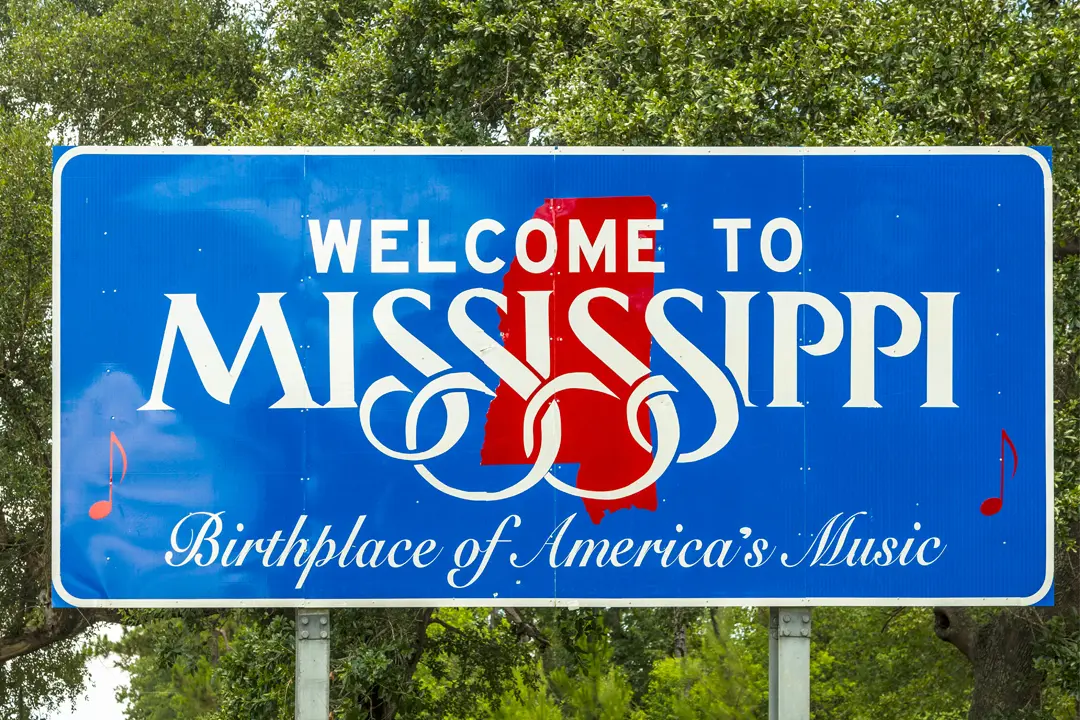
Mississippi 101: Blues Music, Southern Cooking, and America's Poorest State
Michael Reynolds • 14 Jan 2026 • 214 views • 3 min read.You think Mississippi is America's poorest state defined by poverty, racism, backwards stereotypes—irrelevant place nobody visits except civil rights pilgrimage. Reality? Mississippi is birthplace blues music where Robert Johnson sold soul devil crossroads Clarksdale legend (1930s Delta blues—Muddy Waters, B.B. King, John Lee Hooker all Mississippi natives, influenced rock/roll globally), literary giant producing William Faulkner (Nobel Prize 1949—Yoknapatawpha County Mississippi fictionalized, "The Sound and the Fury"), Eudora Welty, Tennessee Williams, and surprising natural beauty where Gulf Coast beaches Biloxi/Gulfport (26-mile white sand—casino resort economy $2.5 billion gaming revenue), Mississippi River bluffs Natchez (antebellum mansions—plantation tourism complicated), and Natchez Trace Parkway (444 miles scenic—hiking, cycling, historic). You dismiss "hospitality state" until experiencing genuine Southern warmth where strangers greet, church potlucks feed communities, Sunday dinner family tradition—but brutal truth: Mississippi demands accepting crushing poverty (19.4% worst nationally—median income $49,000 lowest, 27% children poor), terrible education (50th nationally—$9,000 per pupil lowest, teacher pay $47,000 dead last), worst health outcomes (obesity 40% highest, maternal mortality crisis, life expectancy 74.4 years lowest), infrastructure decay (bridges crumbling 17% structurally deficient, rural hospital closures—healthcare deserts), and racial inequality legacy where Civil Rights Movement sites remind Emmett Till lynching 1955, Medgar Evers assassination 1963, Freedom Summer murders 1964—history unresolved, tensions persist. The truth: Mississippi offers blues authenticity, Southern cooking, affordability—but demands accepting poverty, systemic failure, racial trauma, and recognition hospitality can't overcome being America's poorest, least educated, least healthy state where structural problems most residents can't escape.
Geography and Climate: Delta, Hills, and Gulf Coast
Understanding Mississippi:
Size and landscape:
- 32nd largest state:
- 48,000 square miles
- Population: 3 million (35th—declining rural, stable urban)
- Density: 63 people/square mile (Jackson concentrated, Delta sparse)
- Three distinct regions:
- Mississippi Delta: Northwest (not river delta—alluvial plain between Mississippi/Yazoo Rivers, flattest farmland North America, cotton legacy, poorest region, blues birthplace)
- Hill Country: Northeast/central (rolling hills, forests, Appalachian foothills—less poor but still struggling)
- Pine Belt/Gulf Coast: South (piney woods, Hattiesburg, coastal Biloxi/Gulfport—casinos, military bases, tourism)
- Mississippi River: Western border (commerce, floods, catfish farming—defines western identity)
- Gulf of Mexico: Southern coast (26-mile beaches—Hurricane Katrina 2005 devastated, casinos rebuilt)
Major cities (limited):
Jackson (state capital):
- Metro: 580,000 (20% state population—only significant metro)
- Economy: Government (state capital—bureaucracy), healthcare (UMMC medical school/hospital—8,000 employees), declining manufacturing
- Challenges: Water crisis (Jackson water 2022 failed—180,000 without safe water weeks, infrastructure collapse exposed poverty/incompetence), crime (murder rate 80+ per 100,000—highest nationally, five times national average), white flight (suburbs Brandon/Madison wealthy, city 83% Black declining population)
- Culture: Civil Rights Museum (powerful, necessary—lynching memorial, Medgar Evers home), music (Malaco Records—blues, soul, gospel)
Gulfport/Biloxi (coast):
- Metro: 420,000 (14% state population—Gulf Coast)
- Economy: Casinos ($2.5 billion gaming revenue—Beau Rivage, Hard Rock, post-Katrina rebuilt), military (Keesler Air Force Base—12,000 personnel), tourism (beaches, seafood)
- Hurricane Katrina: 2005 devastation (238 Mississippi deaths, $125 billion total damage—Biloxi casino barges inland, rebuilt stronger)
- Culture: Seafood (Gulf shrimp, oysters—Biloxi fishing heritage), beach tourism (white sand 26 miles—accessible)
Tupelo/Hattiesburg:
- Tupelo: 140,000 metro (Elvis birthplace—two-room shotgun house museum, manufacturing Toyota parts)
- Hattiesburg: 170,000 metro (University of Southern Mississippi—15,000 students, Pine Belt)
Regional poverty (extreme):
Mississippi Delta:
- Counties: Bolivar, Sunflower, Coahoma, Leflore (Clarksdale, Greenwood, Indianola—blues towns)
- Poverty: 30-40% (worst state—Issaquena County 43%, Holmes 40%)
- Economy: Agriculture mechanized (cotton, soybeans—few jobs, catfish farming declining)
- Population: Declining (young people flee—aging, dying towns, blues heritage only asset)
- Demographic: 70-80% Black (post-Civil War freedmen stayed—sharecropping legacy poverty)
Climate (hot, humid, oppressive):
Jackson:
- Summer: 90-95°F (humidity 70-90%—feels 105°F+, oppressive May-September)
- Winter: 40-60°F (mild—occasional ice storms, snow rare)
- Humidity: Year-round (subtropical—sticky, miserable)
Gulf Coast:
- Summer: 85-90°F (Gulf breeze moderates slightly—but still hot)
- Hurricanes: Annual threat (Katrina 2005, Ida 2021, Zeta 2020—repeated devastation)
Severe weather:
- Tornados: 40+ yearly (March-May peak—EF4/EF5 possible, deadly)
- Hurricanes: Gulf Coast (Katrina killed 238 Mississippi—coastal obliteration)
- Floods: Mississippi River (historic 1927, 2011—levees essential)
- Heat deaths: Summer (elderly, homeless—dangerous conditions)
Blues Music: Delta Birthplace, Global Influence
Understanding Mississippi blues legacy:
Origins (sharecropper fields, 1920s-1940s):
- Delta blues: Solo acoustic guitar/harmonica (work songs, field hollers—African roots, slavery legacy, pain/hope expressed)
- "Crossroads": Robert Johnson legend (supposedly sold soul devil Clarksdale Highway 61/49—1930s recordings "Cross Road Blues," mysterious death age 27, influenced rock forever)
- Acoustic: Pre-electric (before Chicago migration 1940s—raw, emotional, bottleneck slide guitar)
Legends (all Mississippi natives):
Robert Johnson: Delta blues king (1911-1938—27 recordings, "Sweet Home Chicago," influenced Stones, Clapton, mythology endures)
Muddy Waters: Chicago blues father (1913-1983—Clarksdale native, moved Chicago 1943, electrified blues, "Hoochie Coochie Man," rock foundation)
B.B. King: Lucille guitar (1925-2015—Indianola born, "The Thrill Is Gone," 15 Grammys, blues ambassador)
John Lee Hooker: Boogie blues (1917-2001—Coahoma County, "Boom Boom," raw hypnotic style)
Howlin' Wolf: Powerful voice (1910-1976—West Point born, 300 pounds, booming vocals, Chicago success)
Blues Trail (tourism infrastructure):
Markers: 200+ blue guitar signs (historic sites—homes, clubs, graves, Mississippi Blues Trail documenting)
Clarksdale: Blues capital (Ground Zero Blues Club Morgan Freeman co-owner, Red's Lounge juke joint authentic, Delta Blues Museum)
Highway 61: "Blues Highway" (Memphis to New Orleans—Mississippi stretch legendary, Highway 61 Bob Dylan album)
Juke joints:
- Definition: Small clubs/bars (live blues, beer, dancing—working-class Black spaces, few remain)
- Authentic: Po' Monkey's Bolivar County (deceased owner, Thursday nights, ramshackle building—genuine but touristy now)
- Red's Lounge: Clarksdale (tiny, sweaty, loud—real deal, $10 cover)
Influence (global music foundation):
- Rock and roll: Chuck Berry, Elvis (blues foundation—rock wouldn't exist without Delta blues)
- British Invasion: Stones, Led Zeppelin, Cream (covered blues extensively—Muddy Waters/Robert Johnson worship)
- Legacy: Every guitar-based music (blues DNA—Mississippi contribution incalculable, ironic poorest state birthed richest musical tradition)
Southern Cooking: Soul Food Heritage
Understanding Mississippi cuisine:
Soul food (African American tradition):
Fried chicken:
- Technique: Buttermilk soak, seasoned flour, cast iron skillet (crispy exterior, juicy interior—Sunday dinner staple)
- Locations: Family restaurants, church fundraisers (Bully's Clarksdale, Ajax Diner Oxford—local institutions)
Catfish:
- Fried: Cornmeal-crusted (Mississippi River catfish, farm-raised dominates—Delta Pride brand)
- Restaurants: Taylor Grocery Oxford (wait 2 hours weekends—worth it), Doe's Eat Place Greenville (steaks/tamales also)
BBQ:
- Pork ribs: Dry rub or sauce (not Memphis dry, not Texas beef—Mississippi somewhere between)
- Locations: The Shed Ocean Springs (Blues Brothers Blues Mobile outside—dive atmosphere, excellent ribs)
Soul food sides:
- Collard greens: Slow-cooked (bacon/ham hock—pot liquor sacred)
- Black-eyed peas: New Year's tradition (luck—Southern universal)
- Cornbread: Skillet-baked (sweet vs savory debate—Mississippi leans savory)
- Mac and cheese: Baked (church potluck staple—soul food not Kraft)
Mississippi specialty:
Comeback sauce: Invented Jackson (Mayflower Cafe—tangy mayo-based, fried foods dip, state treasure)
Mississippi Mud Pie: Chocolate dessert (dense, rich—invented Vicksburg allegedly)
Tamales: Delta hot tamales (Mississippi Delta Mexican laborers 1920s—spicy, cornmeal, unique Southern tamales nowhere else)
Sweet tea: Essential (unsweetened blasphemy—diabetes crisis partly blamed but tradition sacred)
Poverty and Systemic Failure: Dead Last Nationally
Understanding Mississippi's position:
Economic indicators (worst/near-worst every category):
Income:
- Median household: $49,000 (lowest nationally—versus $69,000 national, 29% lower)
- Poverty rate: 19.4% (worst—580,000+ residents, 27% children poor)
- Delta counties: 30-40% poverty (Issaquena 43%, Holmes 40%—third-world comparable)
Employment:
- Unemployment: 3.5% (actually low—but discouraged workers not counted, underemployment high)
- Industries: Agriculture mechanized (few jobs), manufacturing declining (furniture closed, offshore), casinos (service jobs $25,000-35,000)
- Wages: $15-18/hour average (versus $23 national—working poverty)
Education crisis (dead last 50th):
Funding:
- Per pupil: $9,000 (lowest nationally—versus $13,000 national, $18,000 New York)
- Property taxes: Low (poor districts can't raise—inequality structural)
- State aid: Insufficient (perpetual budget shortfalls—education cut first)
Teacher pay:
- Average: $47,000 (dead last nationally—versus $64,000 national)
- Starting: $37,000 (poverty wages master's degree—brain drain)
- Exodus: Teachers flee Tennessee, Louisiana (30%+ pay increase—retention impossible)
Outcomes:
- Test scores: Bottom nationally (reading/math—cycle perpetuates)
- Graduation: 88% (better than past—but quality questioned)
- College readiness: 18% (ACT scores lowest—unprepared higher education)
Healthcare (worst outcomes):
Maternal mortality:
- Rate: 43 per 100,000 (highest nationally—Black women 80+, systemic racism/poverty/access)
- Causes: Rural hospital closures (obstetric deserts—drive hours labor), poverty (prenatal care inadequate), obesity/diabetes (complications)
Obesity: 40% (highest nationally—food deserts, poverty, soul food culture deep-fried)
Life expectancy: 74.4 years (lowest nationally—versus 79 national, 4.6 years gap)
Medicaid: Not expanded (430,000 uncovered—working poor uninsured, ideological refusal)
Rural hospitals: Closing (7 closed 2010-2022—59 risk closure, access crisis)
Infrastructure:
- Roads: Poor condition (potholes, bridges 17% structurally deficient—funding insufficient)
- Water: Jackson crisis 2022 (180,000 without safe water—infrastructure collapse exposed poverty)
- Broadband: 30% lack access (rural digital divide—education, telemedicine, economic development limited)
Civil Rights Legacy: Unresolved History
Understanding Mississippi's racial past:
Historic atrocities:
Emmett Till: 1955 lynching (14-year-old Chicago—Money, Mississippi, whistled white woman accusation, tortured/murdered, open casket funeral galvanized movement, killers acquitted admitted guilt)
Medgar Evers: 1963 assassination (NAACP field secretary—Jackson driveway shot, Byron De La Beckwith not convicted until 1994)
Freedom Summer: 1964 (voter registration—Chaney/Goodman/Schwerner murdered Philadelphia, Mississippi, KKK/sheriff involvement)
Current sites/museums:
Mississippi Civil Rights Museum: Jackson (powerful, comprehensive—lynching, Freedom Riders, integration, necessary confrontation)
Emmett Till Memorial: Sumner (bulletproof sign—vandalized repeatedly, racism persists)
Medgar Evers Home: Jackson (preserved, museum—assassination site visible)
Freedom Trail: Markers throughout (historic sites—churches, voter registration offices)
Ongoing tensions:
- Confederate symbols: State flag changed 2020 (old flag Confederate battle emblem—finally removed, new magnolia flag)
- Monuments: Confederate statues (many remain—removal debates contentious)
- Voting: Restrictions persist (ID requirements, limited early voting—suppression alleged)
- Criminal justice: Disproportionate (Black incarceration rates—systemic inequality)
Cost of Living: Cheapest, But Quality Reflects
Mississippi expenses:
Housing (dirt cheap):
Jackson:
- Median: $150,000 (cheapest state capital—crime depresses)
- Suburbs: Madison/Brandon $220,000-320,000 (white flight—good schools, safe)
- Rent: $800-1,200 1-bedroom (affordable—but limited quality neighborhoods)
Gulf Coast:
- Gulfport/Biloxi: $180,000 median (hurricane risk depresses—insurance expensive)
- Ocean Springs: $240,000 (artsy, safer—premium)
Delta:
- Clarksdale: $90,000 median (poverty—but blues heritage)
- Rural: $60,000-100,000 (dirt cheap—but no opportunities)
Taxes (low):
- Income tax: 0%-4.7% (low brackets—recent cuts)
- Sales tax: 7% state + local (average 7.5%—groceries reduced 7%)
- Property tax: 0.79% (low—$150,000 home = $1,185/year)
Daily costs:
- Groceries: 12-15% below national (cheapest—Walmart/Kroger)
- Gas: $2.70-3.10/gallon (cheapest nationally)
- Dining: $9-13 lunch, $15-25 dinner (very affordable—catfish plate $12)
- Utilities: $160-280/month (AC summer—but cheap electricity)
Overall verdict:
- Sticker price: 18-20% below national (cheapest state)
- Quality: Reflects cost (worst roads, schools, healthcare—what you save monetary spent suffering)
Living in Mississippi: Who Fits?
Who thrives:
Blues enthusiasts:
- Heritage: Authentic (juke joints, festivals, trail—pilgrimage worthy)
- Music: Nightly Clarksdale (Ground Zero, Red's—live blues)
Retirees (limited):
- Affordability: $150,000-220,000 homes (fixed income stretches)
- Gulf Coast: Beaches, casinos (mild winters—but hurricane risk)
Casino workers:
- Employment: 30,000+ jobs (Biloxi/Gulfport, Tunica—$30,000-50,000 dealers, service)
Cost-conscious remote workers:
- Arbitrage: Coastal salary Mississippi cost ($100,000 salary feels $150,000—but infrastructure suffers)
Who struggles:
Families prioritizing education:
- Schools: 50th nationally (outcomes abysmal—unless wealthy suburbs)
- College prep: 18% ready (children disadvantaged—cycle perpetuates)
Career climbers:
- Limited opportunities: Agriculture, casinos, low-wage service (white-collar minimal—brain drain severe)
- Stagnant economy: Growth absent (population declining—no dynamism)
Healthcare-dependent:
- Rural access: Hospital closures (obstetric deserts—drive hours)
- Outcomes: Worst nationally (maternal mortality, obesity—systemic)
Progressives/minorities:
- Politics: Republican dominance (Trump +17%, conservative legislature—powerless)
- Racism: Persistent (Confederate nostalgia, voting restrictions—uncomfortable)
Heat-sensitive:
- Summer: Eight months 85-95°F (May-October oppressive—humidity unbearable)
Quality-seekers:
- Infrastructure: Collapsing (Jackson water, roads, bridges—third-world conditions)
- Services: Minimal (taxes low but quality reflects—get what don't pay for)
Mississippi offers blues authenticity for specific populations—music pilgrims experiencing Delta birthplace (Robert Johnson crossroads Clarksdale, Ground Zero Blues Club Morgan Freeman, Red's Lounge juke joint—global influence ironic poorest state), soul food lovers accessing fried catfish/chicken/tamales nowhere else replicated, casino workers (Biloxi/Gulfport $2.5 billion gaming 30,000 jobs), and cost-conscious accepting $150,000-180,000 housing cheapest nationally. Civil Rights Museum confronts history, Gulf Coast beaches scenic, genuine Southern hospitality appeal to those accepting crushing poverty (19.4% worst nationally, Delta 30-40%, median income $49,000 lowest), terrible education (50th nationally, $9,000 per pupil lowest, teacher pay $47,000 dead last—brain drain severe), worst health outcomes (obesity 40% highest, maternal mortality crisis, life expectancy 74.4 years lowest), infrastructure collapse (Jackson water crisis 2022, bridges 17% structurally deficient, rural hospital closures—healthcare deserts), and racial inequality legacy (Emmett Till, Medgar Evers, Freedom Summer—tensions persist). Quality reflects 18-20% below national cost—roads, schools, healthcare suffering. For the right person, Mississippi's blues, food, affordability justify being dead last. For most, poverty and systemic failure outweigh savings.
Mississippi works for blues lovers and those accepting America's poorest reality.