
North Dakota 101: Oil Boom, Harsh Winters, and Wide-Open Spaces
Michael Reynolds • 13 Jan 2026 • 123 views • 4 min read.You think North Dakota is frozen wasteland nobody visits, irrelevant state ranking 47th population where nothing happens except oil drilling and brutal cold. Reality? North Dakota experienced decade-long oil boom (Bakken shale—2006-2014 peak) transforming sleepy agricultural state into energy powerhouse where Williston saw $200,000 salaries for truck drivers, $2,000/month man camps housing oil workers, and fortunes made overnight (also lost when bust came 2015-2016). You dismiss endless plains until realizing North Dakota offers lowest unemployment nationally (2-3%—always hiring), no state debt (budget surplus billions—fiscally responsible), and genuine frontier freedom where population density 11 people/square mile means privacy, space, and independence impossible elsewhere. But brutal truth: North Dakota demands accepting punishing winters (-40°F wind chills, blizzards last days, vehicles won't start), extreme isolation (Fargo only real city—315,000 metro, nearest major city Minneapolis 240 miles), economic dependence on volatile oil prices ($80/barrel prosperity, $40 crisis), and cultural homogeneity (83% white, Norwegian/German heritage—limited diversity). The truth: North Dakota offers economic opportunity, fiscal stability, and frontier independence—but demands accepting extreme weather, geographic isolation, boom-bust volatility, and recognition that "boring" North Dakota provides space and freedom appealing to oil workers, outdoor enthusiasts, and those seeking escape while repelling those needing culture, diversity, or temperate climates.
Geography and Climate: Extremes Define Everything
Understanding North Dakota:
Size and landscape:
- 19th largest state:
- 70,000 square miles
- Population: 779,000 (47th—nearly empty)
- Density: 11 people/square mile (third-lowest—only Alaska, Wyoming emptier)
- Not entirely flat:
- Red River Valley (east): Flattest region North America (ancient glacial lake bed—infinite horizon)
- Central plains: Gently rolling (wheat fields endless)
- Badlands (west): Theodore Roosevelt National Park (eroded buttes, canyons, bison—dramatic landscapes)
- Missouri River: Divides state (Lake Sakakawea—reservoir recreation)
Three economic regions:
Eastern agriculture (Red River Valley):
- Cities: Fargo (265,000 metro), Grand Forks (100,000)
- Geography: Perfectly flat (richest farmland globally—black soil feet deep)
- Crops: Spring wheat, soybeans, sugar beets, corn (industrial scale farming)
- Economy: Agriculture, education (North Dakota State, University of North Dakota), healthcare
- Vibe: Most "urban" North Dakota (still modest by national standards)
Central plains (agricultural heartland):
- Cities: Bismarck (capital—135,000), Minot (Air Force Base—75,000)
- Geography: Rolling plains, Missouri River breaks
- Economy: Government, agriculture, Air Force (Minot AFB—B-52 bombers, nuclear missiles)
- Vibe: Traditional, stable, government-dependent
Western oil patch (Bakken boom-bust):
- Cities: Williston (30,000), Dickinson (25,000)
- Geography: Badlands edge, Missouri Plateau
- Economy: Oil extraction (fracking—Bakken shale 1-2 million barrels daily)
- Vibe: Transient, boom-town energy (declined post-2014 but still active)
Climate (brutally cold, legendary harsh):
Fargo (coldest major U.S. city):
- Summer: 75-85°F (pleasant, brief—three months only)
- Winter: -5°F to 20°F average (December-February unbearable)
- Record cold: -48°F (wind chill -70°F possible—frostbite minutes)
- Snow: 50 inches/year (November-April—winter six months)
- Wind: Constant prairie (40+ mph common—wind chill deadly)
Western North Dakota:
- Slightly warmer: 5-10°F higher than Fargo (still brutal)
- Less snow: Drier climate (30-40 inches—but wind worse)
- Chinook winds: Occasional warm blasts (50°F January day possible—then crashes)
Why weather matters economically:
- Vehicle problems: Cars won't start -30°F (block heaters mandatory—plug in overnight)
- Construction: Impossible winter (building season April-October only)
- Oil operations: Slower winter (frozen equipment, dangerous conditions)
- Agriculture: Short growing season (May-September—frost risk both ends)
- Mental health: Seasonal affective disorder epidemic (darkness, isolation, cold—depression rates high)
Severe weather (beyond cold):
- Blizzards: Whiteout conditions, I-94 closed, stranded travelers (hypothermia deaths regular)
- Ice storms: Freezing rain (power outages, impossible travel, livestock losses)
- Spring floods: Red River (Fargo 1997, 2009—evacuations, sandbagging legendary community effort)
- Tornados: 25+ yearly (less than neighbors but EF3/EF4 possible)
- Droughts: Cyclical (Dust Bowl history—agriculture devastation)
Natural disasters impact:
- Isolation increases: Roads impassable, towns cut off (self-sufficiency required)
- Economic: Oil operations halt, agriculture destroyed (boom-bust amplified)
- Survival skills: North Dakotans prepared (generators, food stores, winter supplies—necessity not paranoia)
Oil Boom and Bust: Economic Transformation
Understanding Bakken boom:
What is Bakken shale:
- Oil formation: Underground rock (1-2 miles deep—trapped oil millions years)
- Extraction: Hydraulic fracturing "fracking" (horizontal drilling, high-pressure fluid cracks rock, oil flows)
- Discovery: Known 1950s, uneconomical until 2000s technology advances
- Reserves: 7-8 billion barrels recoverable (decades supply—massive)
Boom years (2006-2014):
Economic explosion:
- Production: 10,000 barrels daily (2006) to 1.2 million (2014—120x increase)
- Employment: 80,000+ oil jobs created (highest-paying blue-collar work nationally)
- Salaries: Truck drivers $100,000-200,000, welders $150,000+, entry-level $60,000+ (overtime unlimited)
- Migration: 100,000+ workers flooded in (Texas, Oklahoma, nationwide—seeking fortune)
- Housing crisis: Williston hotels $300/night, man camps $2,000/month, RVs in parking lots (nowhere to live)
Williston transformation:
- Population: 12,000 (2000) to 35,000 (2014—tripled)
- Infrastructure overwhelmed: Roads destroyed (truck traffic), schools overcrowded, crime spiked
- Services strained: Hospitals, police, sewers inadequate (tax revenue lagged growth)
- Prosperity visible: New Ford F-350s everywhere, restaurants packed, strip clubs opened (money everywhere)
Bust reality (2015-2016):
Oil prices collapsed:
- Peak: $100/barrel (2014—profitable fracking)
- Crash: $26/barrel (2016—money-losing operation)
- Causes: Saudi Arabia flooded market, U.S. shale overproduction, global slowdown
- Impact: Drilling stopped, workers laid off, bankruptcies cascaded
Williston aftermath:
- Population: Dropped 30% (workers fled, houses empty)
- Housing: RV parks empty, apartments vacant (overbuilt disaster)
- Businesses: Restaurants closed, strip clubs shuttered (boom-town services unsustainable)
- Government: Tax revenue collapsed (bond payments, infrastructure debt—fiscal crisis)
Current state (2026):
- Production: Stabilized 1.1 million barrels daily (profitable $60+ oil)
- Employment: 50,000 oil jobs (down from peak but substantial)
- Maturity: Boom-town chaos gone (sustainable operations, infrastructure caught up)
- Volatility: Price-dependent (prosperity requires $70+ oil, crisis if $40)
Who profited oil boom:
- Early arrivals: Fortunes made (saved $200,000 salaries, bought property cheap)
- Local businesses: Massive profits (restaurants, hotels, equipment—some saved, some spent)
- Landowners: Mineral rights royalties (farmers became millionaires—oil under land)
Who struggled:
- Late arrivals: Bust hit (quit jobs elsewhere, moved North Dakota, laid off immediately—stranded)
- Communities: Infrastructure debt, social problems (meth epidemic, prostitution, crime—lingering)
- Environment: Water contamination fears, flaring waste (gas burned—light pollution visible space)
Cost of Living: Surprisingly Expensive
North Dakota costs:
Housing (boom inflated):
Fargo:
- Median home: $280,000 (high for small city—versus Des Moines $215,000)
- Rent 1-bedroom: $900-1,300 (expensive given size)
- Rent 2-bedroom: $1,200-1,700
- Why expensive: Oil boom ripple effects, low inventory (little construction historically)
Williston (oil patch):
- Median home: $250,000 (down from $350,000 peak but still high)
- Rent 1-bedroom: $1,000-1,500 (crazy for 30,000 population town)
- Man camps: $1,500-2,500/month (shared rooms, basic—but housing scarce)
Bismarck (capital):
- Median home: $300,000 (government stability, limited supply)
- Rent: Similar Fargo (expensive for 70,000 city)
Small towns:
- Affordable: $120,000-180,000 (older homes, declining populations—outside oil patch)
- Rural: $80,000-150,000 (farmhouses, acreage—isolation extreme)
Taxes (low, business-friendly):
- Income tax:
- 1.1% to 2.9% (lowest brackets nationally—flat-ish)
- $75,000 income = ~$2,000 North Dakota tax (minimal burden)
- Sales tax:
- 5% state + local (average 6.75%—moderate)
- Food taxed: Groceries pay full rate (regressive but low rate softens blow)
- Property tax:
- 0.98% average (low—$280,000 home = $2,744/year or $229/month)
- Oil wealth: Property tax burden shared (oil revenue funds government—residential taxes lower)
Daily costs (surprisingly high):
Groceries:
- 10-15% above national average (transportation distance, limited competition)
- Walmart, Cash Wise dominate
- Ethnic options: Non-existent (outside Fargo—very limited there)
Gas:
- $3.30-3.70/gallon (higher than expected—refining capacity limited)
Dining:
- Limited options: Chain restaurants dominate (Applebee's, Olive Garden—"fine dining")
- Local: Knoephla soup (potato dumpling—German heritage), fleischkuekle (fried meat pastry)
- Prices: $12-16 lunch, $22-35 dinner (not cheap given offerings)
Utilities:
- Electricity: $120-180/month (coal power—cheap)
- Natural gas heating: $200-400/month winter (essential, expensive—six-month need)
- Internet: $60-100/month (decent cities, terrible rural—DSL/satellite only)
Overall verdict:
- Cost of living: 5-8% above national average (housing, groceries offset low taxes)
- Salaries: Oil jobs high ($80,000-150,000), others low ($40,000-60,000—outside oil)
- Tradeoff: High earners great, low earners struggle (inequality severe oil towns)
No State Debt and Fiscal Responsibility
Understanding North Dakota finances:
Budget surplus (unique nationally):
- State debt: $0 (only state zero debt—fiscally conservative)
- Legacy Fund: $11+ billion (oil tax revenue saved—Alaska-style but managed better)
- Rainy day funds: Additional billions (recession-proof operations)
- Philosophy: Save boom years, survive bust years (learned 1980s oil crash lessons)
Why surplus exists:
- Oil revenue: Extraction tax, royalties (billions annually $70+ oil)
- Fiscal conservatism: Republican legislature (spending restrained, saving prioritized)
- Small population: Fewer services required (779,000 people—manageable)
- Agriculture wealth: Farmland taxes, corporate farming (diversified revenue)
How surplus used:
- Infrastructure: Roads, bridges, schools (oil patch devastation repaired)
- Education: K-12 funding, university support (tuition affordable—in-state $9,000/year)
- Tax cuts: Income tax reduced (Legacy Fund earnings fund cuts—sustainable)
- Economic development: Diversification efforts (reducing oil dependence—limited success)
Resident benefits:
- Low taxes: Income, property moderate (oil subsidizes)
- Services: Adequate despite small population (healthcare, education, infrastructure functional)
- Stability: Government employment secure (budget surplus prevents layoffs)
Criticism:
- Underspending: Surplus hoarded while needs exist (rural healthcare, teacher salaries low)
- Oil dependence: 50%+ revenue oil-related (price crash devastates despite savings)
- Political: Republican supermajority (unchecked power, limited debate)
Living in North Dakota: Who Survives?
Who thrives:
Oil workers:
- Salaries: $80,000-150,000+ (overtime unlimited, bonuses common)
- Skills: CDL, welding, equipment operation (technical but accessible)
- Lifestyle: Work hard, save money, tolerate isolation/weather (transient mentality)
- Retirement plan: 5-10 years banking salary, leave (golden handcuffs real)
Outdoor enthusiasts (summer):
- Hunting: Pheasant, deer, waterfowl (abundant, accessible—licenses affordable)
- Fishing: Walleye, northern pike (Lake Sakakawea, Devils Lake—excellent)
- Camping: Theodore Roosevelt NP, state parks (uncrowded, pristine—true wilderness)
- Caveat: Winter six months (outdoor season brief—frustrating)
Fiscal conservatives:
- Government: Efficient, small, debt-free (libertarian paradise—minimal interference)
- Taxes: Low burden (income, property, sales—all moderate)
- Economy: Pro-business (oil, agriculture—capitalism embraced)
- Politics: Deep red (Trump +33%—overwhelming conservative)
Those seeking space:
- Privacy: 11 people/square mile (nearest neighbor miles away—anonymity possible)
- Land: Affordable acreage (hobby farms, off-grid living—achievable)
- Freedom: Few regulations, live-and-let-live (government leaves alone)
Who struggles:
Those needing culture:
- Arts: Nearly non-existent (Fargo has community theater—that's it)
- Dining: Chain restaurants, limited ethnic options (cultural desert)
- Entertainment: Movies, bars (nothing else—boredom epidemic)
- Museums: Plains Art Museum Fargo, Heritage Center Bismarck (modest—afternoon visits max)
Young professionals outside oil:
- Salaries: $40,000-60,000 non-oil (low—teachers especially underpaid)
- Career growth: Limited (small economy, few companies, advancement ceiling)
- Dating pool: Tiny (everyone knows everyone—awkward)
- Brain drain: College graduates flee (Minneapolis, Denver, coasts—rarely return)
Minorities and diversity seekers:
- Demographics: 83% white, Norwegian/German heritage (homogeneous culture)
- Native Americans: 5% (reservations—Standing Rock, Fort Berthold, Turtle Mountain—poverty, marginalization)
- Immigrants: Limited (meatpacking Fargo exception—Somali, Hispanic small communities)
- LGBTQ+: Closeted rural, modest acceptance cities (conservative social attitudes)
Those hating cold:
- Winter: Six months unbearable (-40°F wind chills, darkness, isolation)
- Depression: Seasonal affective disorder epidemic (suicide rates high—darkness, loneliness)
- Health: Frostbite, hypothermia risks (dangerous simply existing outdoors)
- Lifestyle: Indoor imprisonment (November-March limited outdoor activity)
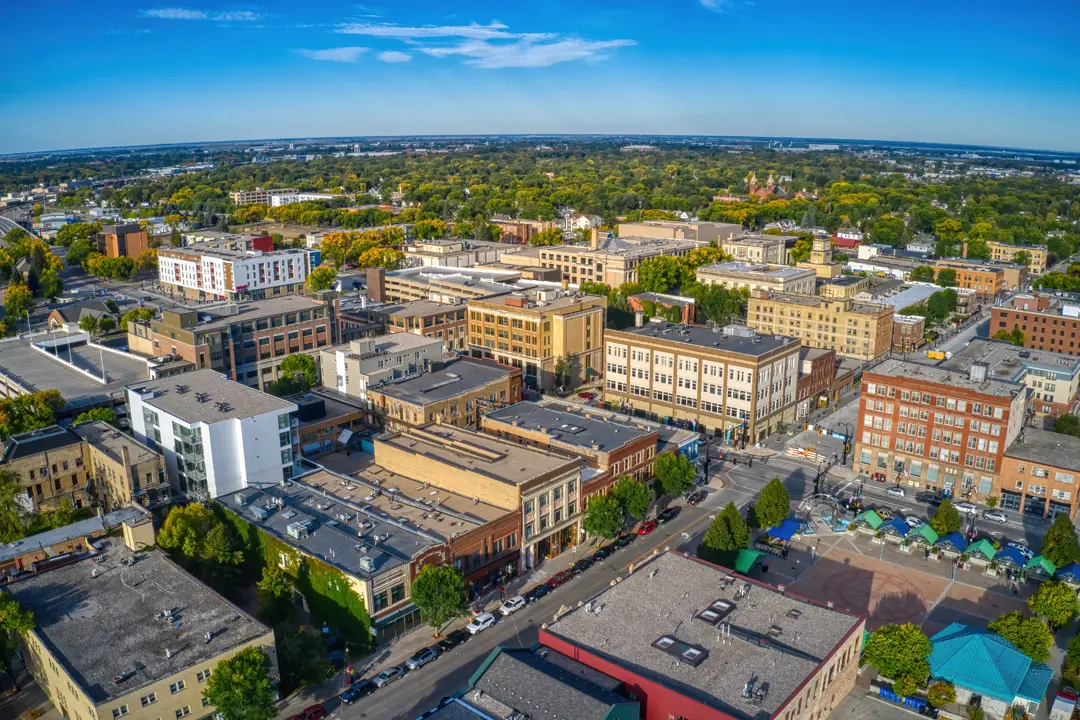
Fargo: North Dakota's "Big City"
Understanding Fargo:
Size and character:
- Metro: 265,000 (with Moorhead, MN across river—largest North Dakota)
- Economy: Healthcare (Sanford, Essentia), education (NDSU, Concordia), Microsoft (campus—2,500 employees)
- Culture: Most diverse North Dakota (still 85% white—but growing minority communities)
- Vibe: Small-city friendly, Midwestern nice (manageable urban—30 minutes anywhere)
Quality of life:
Advantages:
- Affordability: Relative to coasts ($280,000 median home—decent for city)
- Safety: Low crime (violent 60% below national—safe neighborhoods)
- Employment: Diverse economy (healthcare, tech, education—not oil-dependent)
- Community: Tight-knit (neighborhood events, volunteerism—small-town feel)
Cultural offerings:
- Downtown: Revitalized (breweries, restaurants, Fargo Theatre—historic venue)
- Arts: Plains Art Museum, theater companies (modest but present)
- Sports: NDSU Bison football (FCS powerhouse—nine championships 2011-2021, community obsession)
- Events: Red River Market (summer farmers market—community gathering)
Limitations:
- Winters: Same brutal cold (-40°F possible—indoors six months)
- Distance: Minneapolis 240 miles (nearest major city—4 hours, regional isolation)
- Amenities: No major concerts, limited shopping, chain restaurants (small-city reality)
- Public transit: Terrible (bus-only, infrequent—car mandatory)
Who fits Fargo:
- Families: Affordable, safe, decent schools (suburban dream achievable)
- Healthcare workers: Sanford Health massive employer (nursing, techs—stable careers)
- NDSU students/alumni: Strong community, affordable living (tech scene growing)
- Midwesterners: Comfortable scale, familiar values (not overwhelming)
North Dakota offers economic opportunity for specific populations—oil workers earning $100,000-200,000 (Bakken shale 1.1 million barrels daily), fiscal conservatives appreciating zero state debt ($11+ billion Legacy Fund surplus), and those seeking frontier space (11 people/square mile, nearest neighbor miles away—privacy impossible elsewhere). Low taxes (1-3% income tax, 0.98% property tax), abundant hunting/fishing (pheasant, walleye, pristine wilderness), and genuine independence appeal to those accepting brutal winters (-40°F wind chills, six months indoor imprisonment), extreme isolation (Fargo only city—Minneapolis 240 miles), boom-bust volatility (oil price-dependent), and cultural homogeneity (83% white, Norwegian/German heritage—limited diversity). For the right person, North Dakota's salaries, space, and fiscal stability justify weather extremes and isolation. For others, these same factors represent unbearable hardship.
North Dakota works for those prioritizing economic opportunity and space over culture and climate.