
Oklahoma 101: Oil, Tornadoes, and Middle America Values
Michael Reynolds • 13 Jan 2026 • 122 views • 3 min read.You think Oklahoma is backward flyover state nobody visits except tornado chasers, irrelevant place squeezed between Texas and Kansas defined by dust bowl history and "Okies" fleeing Grapes of Wrath poverty. Reality? Oklahoma is energy powerhouse where oil/gas industry generates 25% state GDP (Devon Energy, Continental Resources—fracking revolution billionaires), affordable living where $220,000 buys 2,200 sq ft new construction suburban house versus coastal $800,000 for 1,000 sq ft, and Native American heritage significant (39 tribal nations headquartered here—Cherokee capital Tahlequah, Chickasaw Nation GDP $2.4 billion annually more than some countries). You dismiss tornado obsession until experiencing May/June terror where EF5 tornadoes level entire towns (Moore 2013—24 killed, El Reno 2.6-mile-wide widest tornado ever measured), storm shelters mandatory purchases, sirens test every Saturday noon (cultural soundtrack). You mock conservative reputation until realizing Trump won every single county 2020 (77 of 77—most monolithic red state nationally), abortion effectively banned, religious influence pervasive (Southern Baptist dominance—Bible Belt heartland). But brutal truth: Oklahoma demands accepting extreme poverty (15.7%—fifth-worst nationally), Native American marginalization (despite heritage celebration, reservations struggle systemically), teacher exodus crisis (lowest pay nationally $39,000 average—brain drain educators flee Texas/Kansas), infrastructure decay (bridges crumbling, roads potholed—tax revenue insufficient), and recognition that Middle America values provide community and affordability while limiting opportunities and perpetuating inequality. The truth: Oklahoma offers genuine affordability, energy jobs, Native heritage, frontier independence—but demands accepting tornado terror, crushing poverty, conservative extremism, and understanding that "OK" pride masks systemic challenges most won't acknowledge.
Geography and Climate: Tornado Alley Epicenter
Understanding Oklahoma:
Size and landscape:
- 20th largest state:
- 69,000 square miles
- Population: 4 million (28th—sparse except OKC/Tulsa)
- Density: 57 people/square mile (concentrated urban, rural empty)
- Geographic diversity:
- Eastern Oklahoma: Ozark foothills, forests, lakes (Arkansas-like—hills, trees, humidity)
- Central Oklahoma: Plains, rolling prairie (OKC metro—transitional)
- Western Oklahoma: High plains, flat (wheat, cattle—Texas Panhandle-like)
- Panhandle: Extreme western strip (No Man's Land historically—isolated, harsh)
- Arbuckle Mountains: South-central (granite peaks 1,400 feet—oldest mountains North America geologically)
Two metro regions (state dominance):
Oklahoma City (state capital):
- Metro: 1.4 million (35% state population—overwhelming concentration)
- Economy: Oil/gas (Devon Energy $24 billion, Continental Resources—fracking pioneers), government (state capital), aviation (Tinker Air Force Base—largest single-site employer state 26,000)
- Character: Sprawling (620 square miles city limits—largest area U.S., but population density low)
- Culture: Conservative, religious (Southern Baptist Convention headquarters—evangelical influence)
- Recent growth: Energy boom 2010s (downtown Devon Tower 50-story—tallest building Oklahoma, Bricktown entertainment district revitalized)
Tulsa (northeast):
- Metro: 1 million (25% state population—second city)
- Economy: Oil/gas legacy (historically "Oil Capital World"—now diversified), aerospace (American Airlines maintenance), healthcare
- Character: More cosmopolitan than OKC (by Oklahoma standards—arts scene, Philbrook Museum, Gathering Place park ranked best U.S.)
- Culture: Conflicted history (1921 Race Massacre—Black Wall Street destroyed, 300+ killed, reconciliation ongoing), Art Deco architecture (oil boom 1920s—beautiful buildings)
- Recent interest: Tulsa Remote ($10,000 incentive remote workers—1,500+ relocated since 2019)
Climate (continental extremes, tornado terror):
Tornado season (defining fear):
- Peak: May-June (afternoon/evening—wall clouds form, sirens wail)
- Frequency: 50+ yearly (third-most nationally after Texas, Kansas—but concentrated smaller area)
- Intensity: Regular EF4/EF5 (Moore 1999 EF5 fastest winds recorded 302 mph, Moore 2013 EF5 killed 24 including seven children Plaza Towers Elementary)
- El Reno 2013: Widest tornado ever measured 2.6 miles (killed Tim Samaras legendary storm chaser—nobody safe)
- Culture: Storm shelters mandatory ($3,000-8,000 underground—insurance doesn't cover, families prioritize over vacations), sirens every Saturday noon testing (visceral reminder), weather apps obsession (everyone radar expert)
Summer:
- Temperature: 90-100°F June-September (oppressive heat, drought common)
- Humidity: High eastern Oklahoma (miserable), lower west (dry heat)
- Duration: Four months 85°F+ (air conditioning essential—$200-350 electric bills)
Winter:
- Temperature: 30-50°F (ice storms frequent—December-February)
- Ice: Devastating (2007 ice storm 600,000 without power, tree damage billions)
- Snow: Moderate 10-15 inches annually (but infrastructure unprepared—roads shut)
Severe weather (beyond tornadoes):
- Hail: Baseball-size common (car/roof damage—insurance claims constant)
- Flash floods: May-June (deaths regular—"Turn around, don't drown" ignored)
- Droughts: Cyclical (Dust Bowl 1930s trauma—agricultural devastation)
- Earthquakes: Induced seismicity (fracking wastewater injection—3.0+ magnitude previously rare now common, 2016 5.8 Pawnee largest recorded)
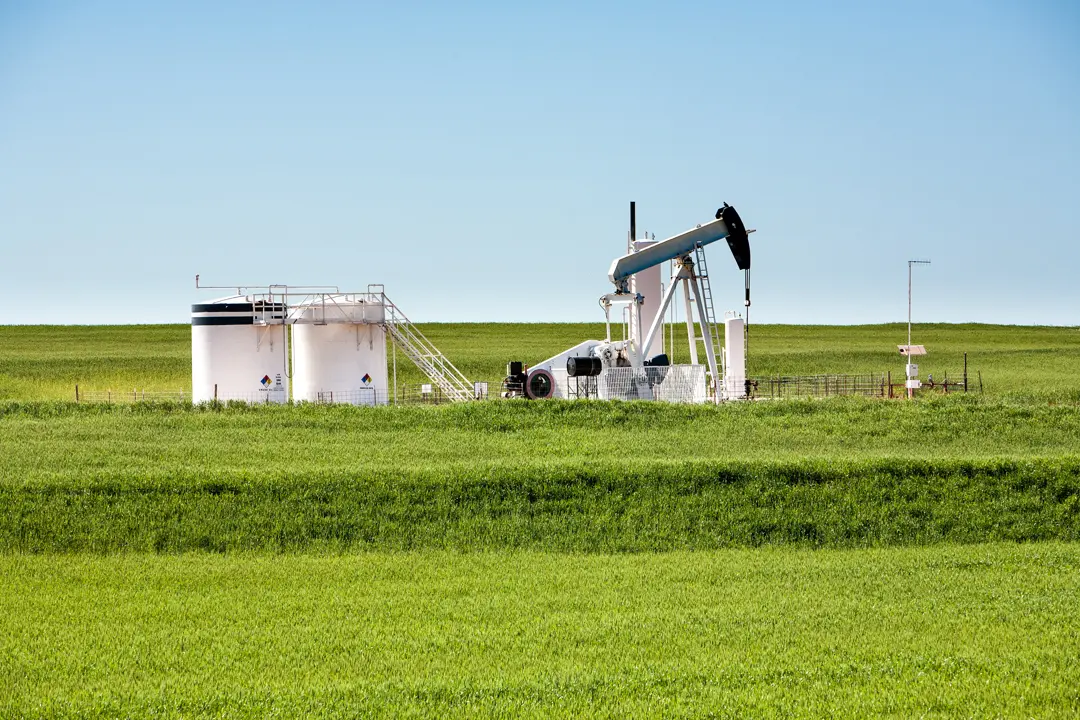
Energy Industry: Oil, Gas, and Earthquakes
Understanding Oklahoma energy:
Historical boom (1920s):
- Discovery: Glenn Pool 1905 (Tulsa area—triggered rush)
- Oil Capital: Tulsa 1920s (headquarters, millionaires—Art Deco architecture legacy)
- Boom-bust: Price volatility (1980s bust devastated—Penn Square Bank collapse)
Fracking revolution (2000s-2010s):
Shale plays:
- Woodford Shale: Central Oklahoma (horizontal drilling, fracking—unlocked billions barrels)
- SCOOP/STACK: Western Oklahoma (oil-rich formations—Devon, Continental fortunes)
- Production: Peak 500,000+ barrels daily (fifth-largest state—significant nationally)
Billionaires created:
- Harold Hamm: Continental Resources founder ($18 billion net worth—Trump advisor, influential)
- Aubrey McClendon: Chesapeake Energy (deceased 2016 car crash day after federal indictment—controversial legacy)
Employment:
- Direct: 100,000+ jobs (engineers $90,000-150,000, roughnecks $50,000-80,000)
- Indirect: 300,000+ (suppliers, services—economy dependent)
- Boom-bust cycles: 2014 oil crash (prices $100 → $26—layoffs massive, bankruptcies cascaded)
Earthquakes (unintended consequence):
Induced seismicity:
- Cause: Wastewater injection (fracking produces saltwater—injected deep wells)
- Frequency: Peak 900+ magnitude 3.0+ yearly (2015—most seismically active lower 48)
- Damage: Cushing 2016 5.8 (oil storage hub—strategic petroleum reserve, buildings cracked)
- Response: Injection limits (reduced activity—but damage to structures, insurance rates increased)
Economic dependence:
- State budget: 10-15% directly oil/gas revenue (severance taxes, income taxes—boom times prosperity, bust times crisis)
- Volatility: 2020 COVID crash (oil briefly negative prices—Oklahoma budget devastated, teacher raises reversed)
Native American Heritage: Complex Reality
Understanding Oklahoma tribal nations:
Trail of Tears legacy:
- Indian Territory: 1830s-1840s (Cherokee, Chickasaw, Choctaw, Creek, Seminole—"Five Civilized Tribes" forcibly removed Southeast)
- Land Run 1889: White settlement (Indian Territory opened—90,000 rushed claim land, ended tribal sovereignty)
- Statehood 1907: Oklahoma formed Indian/Oklahoma territories merged (tribal governments dissolved, land allotted)
Current tribal presence:
39 federally recognized tribes:
- Cherokee Nation: Largest (400,000+ enrolled—headquarters Tahlequah, healthcare system, businesses)
- Chickasaw Nation: Richest ($2.4 billion annual revenue—casinos, businesses, government services GDP exceeds many countries)
- Choctaw Nation: Third-largest (gaming, manufacturing—major employer southeastern Oklahoma)
Tribal sovereignty (recent Supreme Court):
- McGirt v. Oklahoma 2020: Eastern Oklahoma remains Indian reservation (criminal jurisdiction—major implications)
- Controversy: State lost prosecutorial authority (5,000+ cases transferred, resources strained)
Economic impact:
Gaming: $4+ billion annually (casinos throughout state—WinStar World Casino largest globally)
Employment: 100,000+ jobs (tribal governments, casinos, businesses—crucial rural economy)
Healthcare: Indian Health Service (tribal clinics—but underfunded, wait times long)
Cultural celebration vs reality:
Positive:
- Museums: Chickasaw Cultural Center ($40 million—world-class), Cherokee Heritage Center
- Festivals: Red Earth Festival Oklahoma City (Native American art—largest)
- Visibility: License plates, signage (tribal language recognition—pride)
Negative:
- Poverty: Reservation rates 25-30% (higher than state average—systemic)
- Healthcare: Inadequate (diabetes epidemic, mental health crisis—funding insufficient)
- Education: Schools underfunded (Bureau of Indian Education—quality varies)
- Missing/murdered: Indigenous women (MMIW crisis—data collection poor, investigations insufficient)
Conservative Politics and Social Issues
Understanding Oklahoma politics:
Most Republican state:
- 2020: Trump won all 77 counties (only state—Biden 0 counties, Trump +33% statewide)
- Legislature: Republican supermajority (Democrats virtually powerless—10% House, 15% Senate)
- Governor: Kevin Stitt (Cherokee Nation member—but tribe censured him policy disagreements, conservative Republican)
- Federal: Both senators Republican (Lankford, Mullin), all five House seats Republican
Social conservatism (extreme):
Abortion:
- Banned: Conception onward (2022—no rape/incest exceptions initially, life endangerment only)
- Enforcement: Felony providers ($100,000 fine, 10 years prison—chilling effect)
- Impact: Women travel Kansas, New Mexico (Oklahoma City Kansas border 3 hours—but poor women trapped)
LGBTQ+ rights:
- Trans youth: Healthcare banned (gender-affirming care felony—doctors fleeing)
- Adoption: Religious exemptions (agencies can discriminate—Catholic Charities exclusions)
- Education: Don't Say Gay-style bills (LGBTQ+ topics restricted—teachers fearful)
Education battles:
- Book bans: 100+ titles removed (Sex Ed, LGBTQ+ themes, racial issues—among most nationally)
- Critical Race Theory: Banned (teaching racism systemic—vague law chills educators)
- Library funding: Defunding threats (Tulsa County Commissioners withheld—extortion over books)
Religion:
- Southern Baptist: Dominant denomination (300,000+ members—political influence)
- Evangelicalism: 47% population (highest nationally—cultural conservative baseline)
- Hobby Lobby: Oklahoma City headquarters (Supreme Court contraception case—religious freedom landmark)
Voting:
- Restrictive: ID requirements, limited mail voting (access barriers—though turnout low regardless)
Teacher Shortage Crisis: Lowest Pay Nationally
Understanding education emergency:
Compensation disaster:
- Average salary: $39,000 (dead last nationally—Mississippi $47,000 comparison)
- Starting: $32,000 (poverty wages—require second jobs, food stamps possible)
- Degree requirement: Bachelor's minimum (often master's—same low pay)
Exodus:
- Texas: 2,000+ Oklahoma teachers (higher pay $52,000 average—30-minute commute many)
- Kansas: Similar flight ($47,000—closer than Texas some)
- Attrition: 20% leave within three years (national 10%—unsustainable)
Causes:
- Funding: $8,000 per pupil (versus $15,000 New York—tax revenue insufficient)
- Oil dependency: Boom-bust (2020 COVID crash—teacher raises reversed, cuts restored)
- Political: Low priority (Republicans control—taxes anathema, teacher unions weak)
Consequences:
Emergency certifications: 3,000+ issued (uncertified teachers—desperation hires)
Four-day weeks: 100+ districts (Fridays off—parents scramble childcare)
Class sizes: 30-40+ students (unmanageable—quality impossible)
Turnover: Constant (students lose continuity—outcomes suffer)
2018 teacher walkout:
- Strike: Nine days (largest teacher strike U.S. history—55,000 participated)
- Demands: $10,000 raise, school funding (Capitol packed—red shirts everywhere)
- Results: $6,000 raise (inadequate but something—funding minimal increase)
- Legacy: Political awakening (teachers ran legislature—few won, but consciousness raised)
Current:
- Still last: Despite raises, still lowest nationally (Texas gap persists—exodus continues)
- Demoralization: Teachers feel disrespected (attacked politically, paid poverty wages—profession crisis)
Cost of Living: Cheapest Major Metro
Oklahoma expenses:
Housing (remarkably affordable):
Oklahoma City:
- Median: $220,000 (cheapest major metro nationally)
- New construction: $280,000-350,000 (2,200 sq ft, 4-bedroom, garage—family-sized)
- Suburbs: Edmond $280,000-400,000 (excellent schools, safe), Yukon $240,000-320,000 (western suburbs, family-friendly)
- Rent: $800-1,200 1-bedroom (affordable—entry-level accessible)
Tulsa:
- Median: $200,000 (even cheaper—but smaller economy)
- Suburbs: Broken Arrow $230,000-320,000 (schools good, growing), Jenks $250,000-350,000 (excellent schools, premium)
- Tulsa Remote: $10,000 incentive (650+ sq ft requirement—attracted 1,500+ remote workers)
Taxes (low):
- Income tax: 0.25%-4.75% (low brackets—progressive but modest)
- Sales tax: 4.5% state + local (average 8.5%—groceries taxed fully)
- Property tax: 0.89% average (low—$220,000 home = $1,958/year or $163/month)
Daily costs:
- Groceries: 10-12% below national average (Walmart Arkansas-based nearby—competitive)
- Gas: $2.80-3.20/gallon (cheapest nationally—oil state advantage)
- Dining: $10-14 lunch, $18-28 dinner (very affordable—chicken fried steak $12)
- Utilities: $140-280/month (summer air conditioning—but cheaper than coasts)
Overall verdict:
- Total cost: 15-18% below national average (most affordable major metro)
- Salary adjustment: Wages 15-20% below national (purchasing power roughly equal—homeownership achievable young)
- Tradeoff: Affordability real, but opportunities limited, quality of life questions
Living in Oklahoma: Who Fits?
Who thrives:
Energy industry workers:
- Boom times: $80,000-150,000 petroleum engineers (OKC, Tulsa—lucrative careers)
- Volatility: Accept boom-bust (2014, 2020 crashes—resilience required)
- Lifestyle: Affordable McMansions ($350,000 buys 3,500 sq ft—comfortable living)
Cost-conscious families:
- Housing: $220,000-280,000 suburban (Edmond, Broken Arrow—excellent schools, new construction)
- Space: Large lots, acreage affordable (land cheap—hobby farms possible)
- Community: Church, sports, traditional (conservative comfort—values alignment)
Conservative Christians:
- Politics: Aligned (abortion banned, Republican dominance—comfortable)
- Religion: Pervasive (Southern Baptist, evangelical—church community strong)
- Values: Traditional (guns, family, patriotism—reinforced)
Remote workers:
- Tulsa Remote: $10,000 incentive (plus cheap housing—arbitrage coastal salaries)
- Lifestyle: Affordable (California $150,000 salary Oklahoma $220,000 house—dramatic upgrade)
Who struggles:
Tornado-phobic:
- Anxiety: May/June terror (wall clouds, sirens, shelters—constant fear)
- Safety: EF5s kill (Moore schools, El Reno chaser—nowhere truly safe)
- Mental health: PTSD common (survivors trauma—ongoing)
Progressives/LGBTQ+:
- Political powerlessness: Trump 77/77 counties (voice irrelevant—overwhelmed)
- Social hostility: Conservative dominance (abortion banned, trans healthcare illegal—unwelcoming)
- Isolation: OKC/Tulsa only refuge (rural areas uncomfortable—limited safe spaces)
Educated professionals:
- Brain drain: Limited opportunities (energy, government—otherwise minimal)
- Salaries: Low ($50,000-70,000 professional—coast $80,000-120,000)
- Culture: Anti-intellectual (education devalued, teachers disrespected—frustrating)
Teachers:
- Pay: $39,000 average (poverty wages—second jobs necessary)
- Respect: Attacked politically (book bans, restricted curriculum—demoralized)
- Exodus: Texas/Kansas pay more (30%+ salary increase—many leave)
Those needing infrastructure:
- Roads: Crumbling (potholes legendary—car damage)
- Bridges: Dangerous (structurally deficient—funding insufficient)
- Transit: Non-existent (car mandatory—sprawl extreme)
- Healthcare: Limited rural (hospital closures—access difficult)
Oklahoma offers extreme affordability for specific populations—energy workers earning $80,000-150,000 (oil/gas boom despite volatility), families seeking cheapest major metro housing ($220,000 OKC median versus coastal $700,000+), remote workers leveraging Tulsa Remote program ($10,000 incentive, arbitrage coastal salaries Oklahoma costs), and conservatives embracing Trump 77/77 counties monolithic red state (abortion banned, religious right dominance—political comfort). Native American heritage significant (39 tribal nations, Cherokee/Chickasaw headquarters—though poverty/marginalization persist), oil/gas 25% economy, frontier independence appeal to those accepting tornado terror (EF5s regular, Moore 2013 killed 24—sirens every Saturday noon cultural soundtrack), crushing poverty (15.7% fifth-worst nationally), teacher exodus crisis ($39,000 average pay lowest nationally—brain drain educators flee Texas), infrastructure decay (bridges crumbling, roads potholed—tax revenue insufficient), and conservative extremism (abortion conception-banned, trans healthcare illegal, book bans rampant—LGBTQ+ hostile). Induced earthquakes (fracking wastewater—900+ magnitude 3.0+ annually peak), boom-bust oil cycles (2014, 2020 crashes devastating). For the right person, Oklahoma's affordability, energy opportunity, traditional values justify tornado risk and political extremism. For others, poverty and isolation outweigh cost savings.
Oklahoma works for those prioritizing affordability and accepting Middle America limitations.