
South Dakota 101: Mount Rushmore, No Income Tax, and Frontier Spirit
Michael Reynolds • 13 Jan 2026 • 228 views • 4 min read.You think South Dakota is empty wasteland with presidential faces carved in rock, irrelevant flyover state existing solely for tourist photos. Reality? South Dakota is zero income tax haven (one of nine states—immediate $5,000-10,000 annual savings versus California/New York), financial services hub (credit card processing—Citibank, Wells Fargo employ thousands), and retirement paradise where $200,000 buys lakefront property versus coastal $800,000 for cramped condo. You dismiss Mount Rushmore as kitsch until experiencing Black Hills majesty—Custer State Park's bison herds, Needles Highway's granite spires, Badlands otherworldly landscapes—realizing why 14 million tourists visit annually. You mock frontier isolation until discovering genuine community where neighbors help during blizzards, doors stay unlocked, crime barely exists (violent crime 50% below national average). But harsh truth: South Dakota demands accepting brutal winters (-30°F wind chills, blizzards paralyze communities), cultural homogeneity (84% white, limited diversity), conservative politics (Trump +27%), and rural isolation where Sioux Falls/Rapid City are oases while vast plains remain nearly empty. The truth: South Dakota offers genuine freedom—tax savings, affordable living, stunning nature, tight-knit communities—but demands accepting weather extremes, geographic isolation, and recognition that "boring" South Dakota provides stability appealing to retirees, remote workers, and freedom-seekers while repelling those needing urban culture, diversity, or temperate climates.
Geography and Climate: More Than Just Plains
Understanding South Dakota:
Size and landscape:
- 17th largest state:
- 77,000 square miles
- Population: 900,000 (46th—nearly empty)
- Density: 11 people/square mile (rural except cities)
- Not entirely flat:
- Eastern South Dakota: Prairie, agricultural
- Black Hills (west): Mountains rising 7,200 feet
- Badlands: Eroded rock formations, fossil beds
- Missouri River: Divides state (reservoirs, recreation)
Two distinct regions:
Eastern South Dakota (60% population):
- Cities: Sioux Falls (200,000 metro), Brookings (25,000), Watertown (23,000)
- Geography: Prairie, farmland, Missouri River
- Climate: Continental (hot summers, cold winters)
- Economy: Healthcare, finance, agriculture (corn, soybeans)
- Vibe: Growing, business-friendly, relatively diverse
Western South Dakota (tourism, ranching):
- Cities: Rapid City (78,000), Spearfish (12,000), Deadwood (1,200)
- Geography: Black Hills, Badlands, ranchland
- Climate: Semi-arid, colder, snowier in mountains
- Economy: Tourism (Mount Rushmore), ranching, mining
- Vibe: Frontier-style, tourist-dependent, seasonal
Climate (extreme):
Sioux Falls:
- Summer: 80-90°F (pleasant, low humidity)
- Winter: 10-30°F (snow 40 inches/year)
- Record cold: -42°F (frequent -10°F to -20°F)
- Wind: Constant (30-40 mph—wind chill -40°F common)
Rapid City:
- Summer: 75-85°F (cooler in Black Hills)
- Winter: 15-35°F (heavier snow—60+ inches mountains)
- Temperature swings: 50°F daily shifts common
- Chinook winds: Warm winter blasts (70°F January days possible)
Severe weather:
- Blizzards: Winter (I-90 closed, whiteout conditions, stranded travelers)
- Tornados: 30+ yearly (eastern South Dakota—less than neighbors but significant)
- Hail: Common (golf ball size—car damage, crop destruction)
- Ice storms: Freezing rain (power outages days, impossible travel)
Natural disasters:
- Floods: Missouri River, Rapid Creek (1972 Rapid City flood killed 238)
- Wildfires: Black Hills (drought, pine beetle kill—tinderbox conditions)
- Droughts: Cyclical (agricultural devastation, dust storms)
Cost of Living and Tax Advantages: Real Savings
South Dakota advantage:
No income tax (massive benefit):
- State income tax: 0%
- $100,000 income:
- California resident pays: ~$9,000 state tax
- New York resident pays: ~$6,500 state tax
- South Dakota resident pays: $0
- Retirement income: 0% tax (Social Security, pensions, IRA distributions)
- Savings over 20-year retirement: $150,000-300,000+ (versus taxed states)
Housing (affordable):
Sioux Falls:
- Median home: $275,000 (versus Denver $625,000, Minneapolis $400,000)
- New construction: $350,000-450,000 (2,500 sq ft, 4-bedroom, finished basement)
- Neighborhoods:
- Southeast/Southwest: $300,000-500,000 (new, growing)
- Central: $200,000-300,000 (established, convenient)
- North: $150,000-250,000 (affordable, older)
- Rent 1-bedroom: $900-1,200
- Rent 2-bedroom: $1,100-1,500
Rapid City:
- Median: $300,000 (Black Hills premium)
- Mountain properties: $400,000-800,000+ (acreage, views)
- Downtown: $250,000-350,000 (historic, walkable)
Small towns:
- Aberdeen, Brookings, Watertown: $180,000-250,000
- Rural: $120,000-180,000 (older homes, declining populations)
Other taxes:
- Sales tax:
- 4.5% state + local (average 6.5%)
- Groceries taxed (regressive—hurts low-income)
- Property tax:
- 1.2% average (moderate)
- $275,000 home = $3,300/year ($275/month)
- Lower than neighbors (Minnesota 1.5%, Nebraska 1.6%)
- Vehicle registration:
- $150-300 annually (value-based)
- No vehicle emissions testing
Daily costs:
Groceries:
- 5-10% below national average
- Hy-Vee, Walmart, Target dominate
- Limited specialty/organic options (small-town South Dakota)
Gas:
- $3.20-3.60/gallon (moderate—cheap by coastal standards)
Dining:
- Lunch: $12-16
- Dinner: $22-35 per person
- Craft beer: $5-7
- Fine dining limited (Sioux Falls, Rapid City only)
Utilities:
- Electricity: $120-180/month
- Natural gas heating: $150-300/month (winter—essential, expensive)
- Internet: $60-100/month (high-speed available cities, spotty rural)
Overall verdict:
- Total cost of living: 10-12% below national average
- Housing savings: Significant (30-50% versus coastal cities)
- Tax savings: Substantial (especially high earners, retirees)
- Tradeoff: Lower salaries (offset by lower costs), limited amenities
Mount Rushmore and Black Hills Tourism: More Than Faces
Understanding the attractions:
Mount Rushmore National Memorial:
- 60-foot presidential faces (Washington, Jefferson, Theodore Roosevelt, Lincoln)
- Sculptor Gutzon Borglum (1927-1941—died before completion)
- 3 million visitors annually (free admission—parking $10)
- Evening lighting ceremony: May-September (patriotic, moving)
- Reality check:
- Smaller than expected (viewing distance makes it feel compact)
- Completed in 30 minutes (small park, limited hiking)
- Carved on Lakota sacred land (controversial history—stolen territory)
Black Hills region:
Custer State Park:
- 71,000 acres (South Dakota's flagship park)
- Wildlife Loop Road: Free-roaming bison (1,300 herd), pronghorn, bighorn sheep
- Needles Highway: Granite spires, narrow tunnels, hairpin turns (engineering marvel)
- Sylvan Lake: Swimming, kayaking, rock climbing
- Lodges: Historic, comfortable, affordable ($150-250/night)
Crazy Horse Memorial:
- Lakota warrior carved in mountain (larger than Rushmore when complete)
- Started 1948 by Korczak Ziolkowski (still ongoing—family continues)
- Controversial: Some Lakota oppose (more mountain carving, commercialization)
- Museum: Native American artifacts, culture, history
- Progress: Face completed 1998, rest decades away (funding dependent)
Badlands National Park:
- 244,000 acres eroded rock formations (otherworldly landscapes)
- Fossil beds: Ancient mammals (30-35 million years old)
- Wildlife: Bison, bighorn sheep, prairie dogs
- Scenic drives: Loop Road (40 miles—stunning viewpoints)
- Camping: Primitive, spectacular star-gazing (dark sky park)
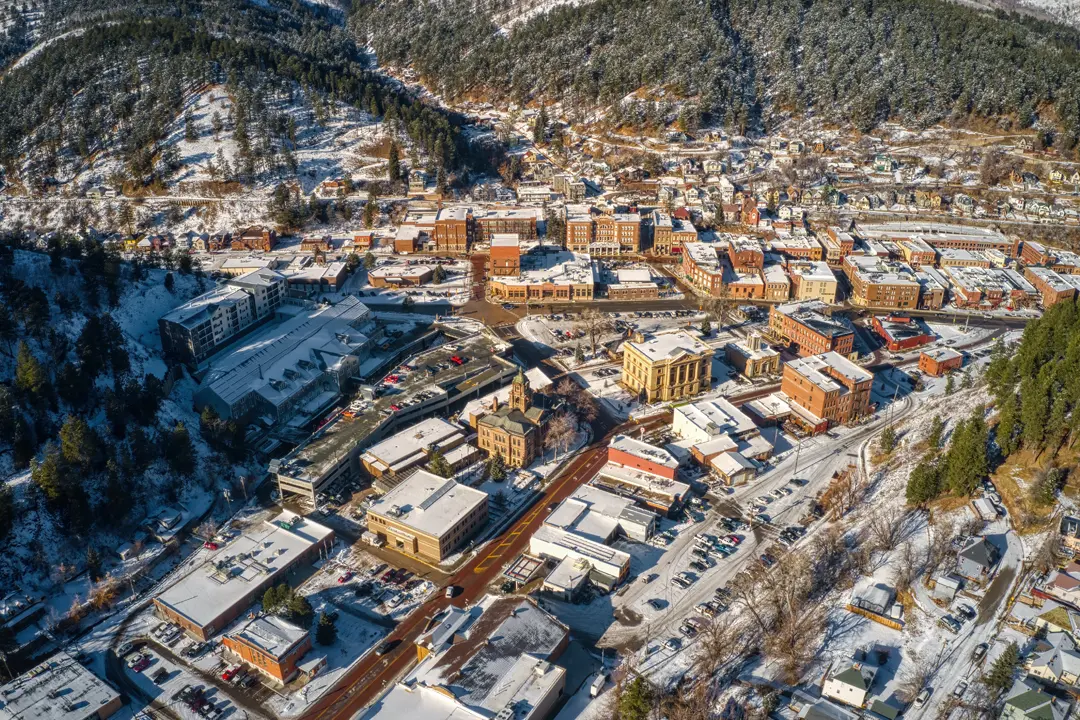
Deadwood:
- Historic gold rush town (1876—Wild Bill Hickok shot here)
- Gambling: 80+ casinos (South Dakota legalized 1989)
- Main Street: Victorian architecture, saloons, museums
- Mount Moriah Cemetery: Wild Bill, Calamity Jane graves
- Reality: Tourist trap elements, but genuine history underneath
Wind Cave National Park:
- 154+ miles mapped passages (world's 7th longest)
- Boxwork formations: Unique calcite structures (95% world's boxwork here)
- Tours: Candlelight, natural entrance, elevator (moderate difficulty)
- Above ground: Mixed-grass prairie, bison, elk
- Less crowded: Than Rushmore (hidden gem status)
Tourism economic impact:
- $4.8 billion annually (30% state economy)
- 33,000 jobs (tourism-dependent)
- Seasonal: May-September peak (winter dead—businesses close)
- Tax revenue: Funds state budget (no income tax—tourism compensates)
No Income Tax Reality: Who Benefits Most?
Understanding the tax advantage:
Biggest winners:
Retirees:
- Social Security: 0% state tax (federally taxable but not South Dakota)
- Pension income: 0% state tax
- IRA/401k distributions: 0% state tax
- Investment income: 0% state tax (dividends, capital gains)
- Example: $80,000 retirement income
- Minnesota retiree pays: ~$4,000 state tax
- South Dakota retiree pays: $0
- 20-year savings: $80,000+
High earners:
- $200,000+ income: $10,000-15,000 annual savings versus taxed states
- Remote workers: Keep high salary, avoid state tax
- Entrepreneurs: Business income untaxed (federal only)
- Wealth accumulation: Compound savings over career
Trust beneficiaries:
- South Dakota trust laws: Most favorable nationally
- Perpetual trusts: No rule against perpetuities (wealth preservation generations)
- No state income tax on trust distributions
- Financial institutions: Sioux Falls trust administration hub ($500+ billion assets)
Who doesn't benefit much:
Low-income families:
- Already pay minimal/zero income tax elsewhere
- Sales tax on groceries: Regressive (hurts more than income tax savings)
- Property tax: Similar to neighbors (no major savings)
- Verdict: Tax structure neutral/slightly negative for lower incomes
Middle-income families:
- $60,000-80,000 income: $2,000-3,500 savings versus taxed states
- Offset by: Lower salaries (South Dakota wages 10-15% below national average)
- Sales tax burden: Higher as percentage of income
- Verdict: Modest benefit, not transformative
Tax structure criticism:
- Regressive: Benefits wealthy disproportionately
- Revenue sources: Sales tax (everyone), property tax (homeowners), tourism
- Public services: Adequate but not generous (teacher salaries low, Medicaid limited)
- Tradeoff: Lower taxes mean fewer services (choose your priority)
Economy and Employment: Beyond Agriculture
Understanding South Dakota's economy:
Major sectors:
Financial services (Sioux Falls hub):
- Citibank: 3,000+ employees (credit card processing)
- Wells Fargo: 2,500+ employees (call center, operations)
- First Premier Bank: 1,000+ employees (credit cards)
- Trust administration: Dozens of firms (wealth management)
- Why Sioux Falls: Favorable banking laws (1980s deregulation—credit card cap removal)
- Jobs: Middle-class salaries ($40,000-70,000), stable, benefits
Healthcare:
- Sanford Health: 10,000+ employees (largest employer South Dakota)
- Avera Health: 4,000+ employees (statewide hospitals)
- Monument Health: Rapid City-based (Black Hills healthcare)
- Jobs: Nursing, techs, administration ($50,000-90,000)
- Demand: Aging population, rural healthcare needs
Tourism and hospitality:
- Hotels, restaurants, attractions: 33,000 jobs (seasonal)
- Salaries: $25,000-40,000 (lower end)
- Seasonality: Summer peak, winter layoffs (instability)
- Benefits: Limited (part-time, temporary positions)
Agriculture:
- Corn, soybeans: Eastern South Dakota (industrial farming)
- Cattle ranching: Western South Dakota (grazing, feedlots)
- Jobs: Declining (mechanization, consolidation)
- Family farms: Shrinking (corporate agriculture dominates)
- Reality: Romantic image, harsh economic truth
Technology (emerging):
- Sioux Falls tech scene: Raven Industries (acquired by CNH $2.1 billion), Fishback Financial, DocuTAP
- Remote workers: Growing (no income tax attracts digital nomads)
- Startup scene: Modest (limited venture capital, brain drain to coasts)
Military:
- Ellsworth Air Force Base (Rapid City): B-1 bombers, 4,000 personnel
- Economic anchor: Base brings $500+ million annually (retail, housing, stability)
Employment reality:
Job market:
- Unemployment: 2-3% (essentially full employment)
- Job openings: Healthcare, finance, service, skilled trades
- Salaries: 10-15% below national average
- Teacher: $45,000 (versus $55,000 national)
- Nurse: $65,000 (versus $75,000 national)
- Software developer: $75,000 (versus $95,000 national)
- Offset: Lower cost of living, no income tax (net comparable/better)
Career limitations:
- Specialized careers: Limited (finance, healthcare, education—fewer options than major metros)
- Creative industries: Nearly non-existent (film, publishing, design—move to coasts)
- Corporate headquarters: Few (Daktronics, Raven Industries rare exceptions)
- Advancement: Ceiling lower (smaller companies, fewer senior roles)
Culture and Lifestyle: Frontier Spirit Lives
Understanding South Dakota character:
Community values:
Conservative politics:
- 2024 Presidential: Trump +27% (deeply red)
- State legislature: Republican supermajority (limited Democratic presence)
- Social issues: Pro-life, pro-gun, religious (evangelical Christian influence)
- Government philosophy: Limited, business-friendly, individual responsibility
- Reality: Progressive newcomers feel politically isolated
Neighborliness (genuine):
- Small-town culture: People wave, help strangers, leave doors unlocked
- Blizzard assistance: Neighbors check elderly, help dig out, share generators
- Volunteer culture: Strong (fire departments, church groups, community events)
- Trust-based: Handshake deals, word matters (old-school values)
Work ethic:
- Agricultural heritage: Hard work, self-reliance, perseverance
- Few safety nets: Expectation you handle problems yourself
- Multi-generational: Families stay (roots, property, tradition)
Recreational culture:
Hunting and fishing:
- Pheasant hunting: Famous (October opener—state holiday feel)
- Deer, turkey, waterfowl: Abundant (licenses affordable)
- Fishing: Walleye, perch (Missouri River reservoirs, Black Hills streams)
- Culture: Passed through families (bonding, tradition, food source)
Outdoor activities:
- Summer: Hiking, biking, camping, water sports (lakes, rivers)
- Winter: Snowmobiling, ice fishing, skiing (Terry Peak—modest but fun)
- Black Hills: Rock climbing, mountain biking, trail running
- Accessibility: Public land limited (97% private—permission required)
Sports:
- High school sports: Community focal point (Friday night football, basketball)
- College sports: South Dakota State Jackrabbits (FCS powerhouse), University of South Dakota Coyotes
- Professional: None (Sioux Falls Skyforce—NBA G-League only)
Cultural limitations:
Diversity (minimal):
- Demographics: 84% white, 9% Native American, 4% Hispanic, 3% other
- Racial tensions: Native American discrimination (ongoing, systemic)
- LGBTQ+: Limited acceptance (rural especially—conservative social attitudes)
- Religious: Predominantly Christian (evangelical, Lutheran, Catholic)
- Reality: Homogeneous (comfortable for some, stifling for others)
Urban amenities:
- Arts/culture: Limited (Sioux Falls has theater, symphony—modest by city standards)
- Dining: Chain restaurants dominate (few ethnic options, limited fine dining)
- Shopping: Malls, big-box stores (no luxury retail, limited specialty)
- Nightlife: Bars, breweries (modest—Sioux Falls only real option)
- Entertainment: Movies, bowling, outdoors (no major concert venues, professional sports)
Native American Communities: Complex History
Understanding the reality:
Reservations (nine in South Dakota):
Pine Ridge Reservation (Oglala Lakota):
- Size: 3,400 square miles (Rhode Island size)
- Population: 20,000+ (90% Native American)
- Poverty: 50%+ (nation's poorest county—Shannon County)
- Unemployment: 70-80% (limited economy)
- Life expectancy: 66 years (lowest U.S.—comparable to developing nations)
- Alcoholism, diabetes, suicide: Epidemic levels (systemic poverty, historical trauma)
Rosebud, Cheyenne River, Standing Rock, others:
- Similar challenges: Poverty, unemployment, health crises
- Geographic isolation: Remote, limited services, inadequate infrastructure
- Sovereignty: Tribal governments, separate jurisdiction (complex legal situations)
Historical context:
Black Hills sacred to Lakota:
- 1868 Treaty of Fort Laramie: Guaranteed Black Hills to Lakota
- 1874: Gold discovered (Custer Expedition—illegal entry)
- 1876-1877: U.S. seized Black Hills (broken treaty)
- 1980: Supreme Court ruled seizure illegal, awarded $105 million compensation
- Lakota refused payment: "The Black Hills are not for sale"
- Uncollected settlement: Now $1+ billion (held in trust—Lakota maintain land claim)
Mount Rushmore controversy:
- Carved on stolen sacred land (Six Grandfathers Mountain)
- Lakota perspective: Desecration (presidential faces on appropriated territory)
- Tourism dollars: Don't reach reservations (economic disparity)
Current tensions:
Economic disparities:
- White South Dakotans: Median income $65,000, homeownership 70%, poverty 11%
- Native Americans: Median income $30,000, homeownership 35%, poverty 40%+
- Systemic barriers: Discrimination (housing, employment, lending, law enforcement)
Cultural appropriation vs appreciation:
- Tourism: Romanticizes Native culture (headdress photos, "Indian" mascots)
- Authentic culture: Often excluded, commodified, or misunderstood
- Respect: Requires listening, learning, acknowledging historical injustices
What visitors/newcomers should know:
- Acknowledge history: Black Hills theft, broken treaties, ongoing marginalization
- Support Native businesses: Authentic art, cultural experiences, reservation economy
- Educate yourself: Read Lakota history, understand contemporary challenges
- Avoid appropriation: Don't wear headdresses, respect cultural items as sacred not costume
Living in South Dakota: Honest Assessment
Who thrives:
Retirees:
- Tax savings: Substantial (no income tax on retirement income)
- Affordable living: Housing, daily costs manageable on fixed income
- Safe communities: Low crime, peaceful (secure retirement)
- Outdoor recreation: Hiking, fishing, golf (active lifestyle possible)
- Healthcare: Adequate in cities (Sioux Falls, Rapid City)
- Caveat: Harsh winters (health consideration for elderly)
Remote workers:
- Tax arbitrage: Keep high salary, pay no state income tax
- Cost savings: Afford larger homes, comfortable lifestyle
- Quality of life: Nature, safety, slower pace (work-life balance)
- Community: Friendly, welcoming to newcomers
- Internet: Reliable in cities (fiber available), spotty rural
- Caveat: Isolation from professional networks, limited local tech scene
Outdoor enthusiasts:
- Access: Black Hills, Badlands, Missouri River (hunting, fishing, hiking, camping)
- Affordable: Land, equipment, licenses cheaper than coasts
- Culture fit: Outdoor recreation is lifestyle (community around it)
- Seasons: Four distinct (winter sports, summer activities)
- Caveat: Public land limited (most private—permission needed)
Conservatives seeking community:
- Political alignment: Deep red state (Republican supermajority)
- Social values: Traditional, religious, family-oriented
- Gun rights: Strong protections (permitless concealed carry)
- Business-friendly: Minimal regulations, low taxes
- Caveat: Limited ideological diversity (echo chamber risk)
Who struggles:
Progressives/liberals:
- Political isolation: Trump +27% (overwhelming conservative majority)
- Social attitudes: LGBTQ+ acceptance limited, especially rural
- Environmental concerns: Oil pipelines, mining (economic priorities over environmental)
- Representation: Democrats rare (political voice minimal)
- Culture: Values mismatch (individual over collective, religious influence)
Young professionals seeking career growth:
- Limited opportunities: Outside healthcare, finance (niche careers non-existent)
- Salaries: 10-15% below national average (offset by cost but still ceiling)
- Advancement: Fewer senior roles (small companies, limited hierarchy)
- Brain drain: Talented leave for Denver, Minneapolis, coasts (networking limited)
- Cultural amenities: Minimal (arts, dining, nightlife—small-town offerings)
Diversity seekers:
- Homogeneity: 84% white (limited racial, ethnic, cultural diversity)
- Native American tensions: Systemic discrimination, historical trauma (uncomfortable racial dynamics)
- Food diversity: Limited ethnic restaurants, specialty groceries (chain dominance)
- Cultural experiences: Minimal (museums, performances, international connections rare)
- Echo chamber: Similar backgrounds, perspectives (intellectually limiting for some)
Families needing services:
- Education: Adequate but not exceptional (teacher salaries low, rural schools struggle)
- Special needs: Limited resources (therapy, programs concentrated cities)
- Childcare: Expensive relative to local wages ($800-1,200/month)
- Healthcare: Specialists limited (rural especially—travel required for complex care)
- Arts/enrichment: Minimal (music lessons, cultural programs scarce outside cities)
South Dakota offers genuine freedom for specific populations—retirees seeking tax savings ($150,000-300,000 over retirement), remote workers optimizing income ($5,000-10,000 annual savings), outdoor enthusiasts accessing world-class recreation (Black Hills, Badlands), and conservatives finding aligned communities. Zero income tax, $230,000 median homes (versus coastal $800,000), safe neighborhoods (violent crime 50% below national), and frontier independence appeal to those accepting brutal winters (-30°F wind chills), cultural homogeneity (84% white, limited diversity), and rural isolation (Sioux Falls/Rapid City oases, vast emptiness beyond). The tradeoff is clear: financial freedom and natural beauty versus limited career options, minimal urban amenities, and harsh climate. For the right person, South Dakota's tax advantages, affordability, and genuine community justify winters and isolation. For others, these same factors represent unacceptable compromises.
South Dakota works for those prioritizing financial optimization and outdoor lifestyle over diversity and urban culture.