
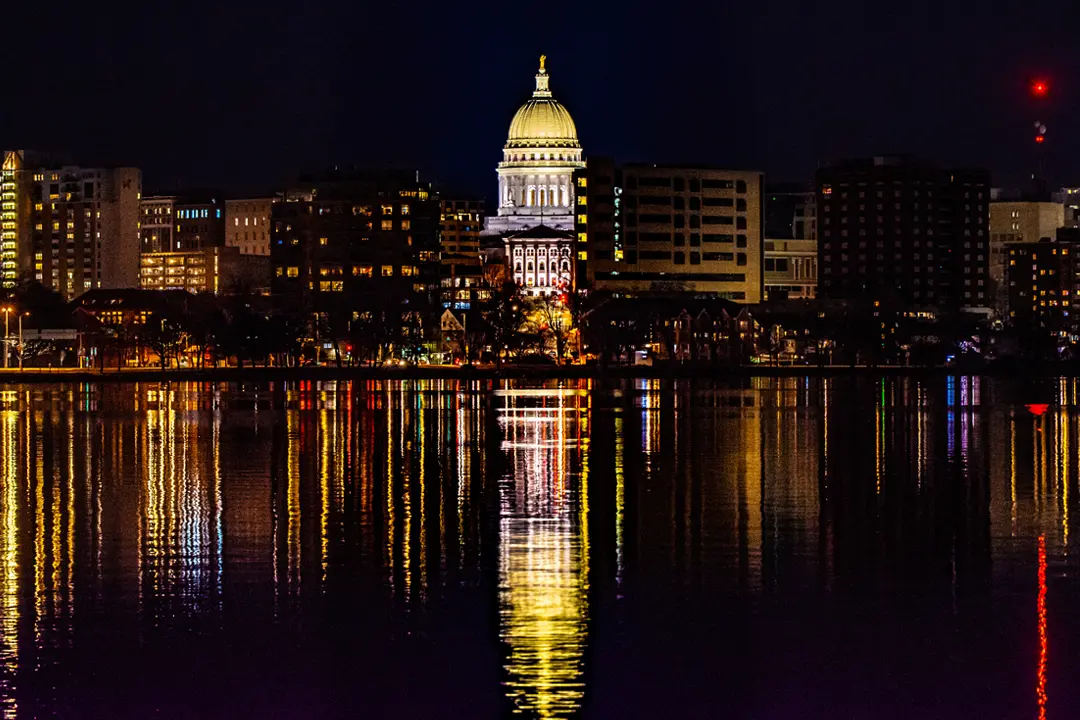
Wisconsin 101: Cheese, Beer, Green Bay Packers, and Midwest Nice
Michael Reynolds • 13 Jan 2026 • 127 views • 4 min read.You think Wisconsin is boring dairy state full of overweight people eating cheese curds, drinking beer, obsessing over Packers football. Reality? Wisconsin is manufacturing powerhouse (Harley-Davidson, Kohler, S.C. Johnson—historic industrial base), affordable quality of life where $280,000 buys lakefront property versus coastal $900,000 for inland condo, and genuine Midwest culture where Friday fish fry is sacred tradition, bratwurst grilling mandatory summer activity, and "Cheesehead" pride embraced unapologetically. You mock cheese obsession until discovering Wisconsin produces 600+ varieties (more than Switzerland), creates 3.5 billion pounds annually (26% U.S. cheese—dairy dominance real), and cheese curds fresh from factory squeak between teeth confirming authenticity (non-squeaky = stale—Wisconsinites discriminate). But harsh truth: Wisconsin demands accepting brutal winters (-20°F wind chills, lake-effect snow 100+ inches annually near Lake Michigan/Superior), economic stagnation outside Milwaukee/Madison (manufacturing decline, rural population loss, brain drain), heavy drinking culture (binge drinking #1 nationally—bars outnumber grocery stores), and political division where progressive Madison/Milwaukee battle conservative rural Wisconsin in perpetual culture war determining presidential elections. The truth: Wisconsin offers Midwest authenticity—affordability, beer/cheese culture, Packers religion, genuine nice people—but demands accepting winter severity, economic challenges, alcohol culture, and recognition that "America's Dairyland" provides stability and tradition appealing to those valuing community while repelling those seeking innovation or coastal sophistication.
Geography and Climate: Lakes, Forests, and Frozen Tundra
Understanding Wisconsin:
Size and landscape:
- 23rd largest state:
- 65,000 square miles
- Population: 5.9 million (20th)
- Density: 108 people/square mile (Milwaukee/Madison concentrated, north sparse)
- Great Lakes borders:
- Lake Michigan: Eastern border (entire length—Door County peninsula, Milwaukee shore)
- Lake Superior: Northern border (Apostle Islands, Bayfield—scenic tourism)
- Not flat: Rolling hills, forests, rivers (Driftless Area southwest—bluffs, valleys, no glaciation)
Three economic regions:
Southeast Wisconsin (industrial/urban):
- Cities: Milwaukee (1.6 million metro), Racine (135,000), Kenosha (170,000)
- Economy: Manufacturing (Harley-Davidson, Rockwell Automation, Johnson Controls), brewing (Miller, Pabst legacy), healthcare (Aurora, Froedtert)
- Culture: Working-class, union history (German/Polish heritage—ethnic neighborhoods)
- Geography: Lake Michigan shore (beaches, harbors—maritime identity)
Madison (capital/university):
- Metro: 680,000 (Dane County—isthmus between lakes)
- Economy: Government (state capital), education (UW-Madison 45,000 students), technology (Epic Systems—$4+ billion healthcare software)
- Culture: Progressive island (liberal politics, highly educated—"77 square miles surrounded by reality" conservative criticism)
- Geography: Between Mendota/Monona lakes (scenic, outdoor recreation accessible)
Northern Wisconsin (tourism/forest):
- Cities: Green Bay (320,000 metro—Packers), Eau Claire (170,000), Wausau (135,000)
- Economy: Paper mills (declining), tourism (lakes, forests, resorts), agriculture (dairy farms)
- Culture: Small-town, conservative, recreational (hunting, fishing, snowmobiling—outdoor lifestyle)
- Geography: North Woods forests, thousands of lakes (cabin country—"up north" Wisconsin identity)
Climate (harsh, lake-effect amplifies):
Milwaukee:
- Summer: 75-85°F (pleasant, humid—Lake Michigan moderates)
- Winter: 10-30°F (snow 50 inches/year, wind chill -20°F common)
- Lake-effect: Snow bands off Lake Michigan (shoreline gets hammered—100+ inches annually some areas)
Madison:
- Summer: 75-85°F (hot, humid—no lake moderation)
- Winter: 5-25°F (colder than Milwaukee—inland location)
- Snow: 45 inches/year (moderate but consistent November-March)
Northern Wisconsin (brutal):
- Winter: 0-20°F average (Superior/Rhinelander -30°F possible)
- Snow: 80-120 inches/year (lake-effect Superior, elevation—buried October-April)
- Summer: Brief (70-80°F July/August only—three-month window)
Severe weather:
- Blizzards: Lake-effect snow paralysis (I-43 closed, whiteout conditions)
- Ice storms: Freezing rain (power outages, tree damage, impossible travel)
- Tornados: 25+ yearly (southern Wisconsin—EF3/EF4 possible)
- Floods: Mississippi/Wisconsin Rivers (1993, 2008, 2018—billions damage)
- Winter kills: Hypothermia, frostbite (homeless deaths Milwaukee—harsh reality)
Lambeau Field "Frozen Tundra":
- Green Bay: Average December temperature 23°F (playoff games brutal—1967 Ice Bowl -13°F, wind chill -48°F)
- Fans: Shirtless "Cheeseheads" (wearing foam cheese hats—25,000 waitlist season tickets)
- Identity: Weather toughness = Wisconsinite pride (surviving winter = character)
Cheese and Dairy: Economic Foundation
Understanding Wisconsin dairy:
Production scale (massive):
- Dairy farms: 6,500 (down from 35,000 in 1980s—consolidation)
- Cows: 1.3 million (more cows than people in 32 counties—rural dominance)
- Milk production: 31 billion pounds annually (second nationally—California barely ahead)
- Cheese: 3.5 billion pounds yearly (26% U.S. production—undisputed champion)
- Varieties: 600+ cheese types (artisan explosion—far beyond cheddar)
Why Wisconsin dominates:
- Climate: Cool summers ideal dairy (cows produce more milk moderate temperatures)
- Tradition: German/Scandinavian immigrants (cheesemaking expertise—1800s foundation)
- Infrastructure: Processing plants, cooperatives (economies of scale—distribution networks)
- Master cheesemakers: Certification program (three-year apprenticeship—quality standards)
Cheese culture (genuine pride):
Cheese curds:
- Definition: Fresh cheddar before pressing/aging (squeaky texture—hallmark freshness)
- Test: Must squeak between teeth (if not squeaking = stale—Wisconsinites reject)
- Preparation: Fried cheese curds (breaded, deep-fried—bar/restaurant staple)
- Tourism: Mars Cheese Castle (I-94 near Illinois border—tourist trap but authentic)
Cheese varieties:
- Traditional: Cheddar, colby, brick, Muenster (everyday staples)
- Artisan: Aged Gouda, blue cheese, sheep/goat milk (craft explosion—award-winning)
- Squeaky cheese: Unique to Wisconsin (fresh curds culture—regional specialty)
Economic reality:
- Farm income: Volatile ($200,000 revenue, $150,000 expenses—thin margins)
- Consolidation: Large operations replace family farms (sad but inevitable—economies of scale)
- Subsidies: Government support necessary (without subsidies, most farms fail)
- Cultural loss: Family dairy farm disappearing (generational knowledge, rural character—changing)
Beyond milk:
- Beef cattle: Secondary ($800 million industry)
- Crops: Corn, soybeans for feed (supporting dairy—not commodity export)
- Cranberries: #1 U.S. producer (central Wisconsin marshes—Ocean Spray dominance)
Beer Culture: Drinking State Pride
Understanding Wisconsin drinking:
Historical brewing dominance:
- Milwaukee: "Beer capital" (German immigrants 1800s—Pabst, Miller, Schlitz, Blatz)
- Decline: Corporate consolidation (Miller sold SABMiller, Pabst moved—nostalgia remains)
- Craft revival: 200+ breweries statewide (New Glarus, Lakefront, Sprecher—local pride)
Current scene:
Craft excellence:
- New Glarus Brewing: Wisconsin-only distribution (Spotted Cow—cult following, unavailable outside state, tourists buy cases to smuggle)
- Lakefront Brewery: Milwaukee institution (riverfront tours, fish fry—working-class authenticity)
- Central Waters: Amherst (barrel-aged stouts—national acclaim)
Beer culture norms:
- Old Fashioned: Wisconsin twist (brandy instead bourbon, muddled fruit, sweet—bar standard)
- Brandy consumption: #1 state nationally (Korbel sells 275,000 cases Wisconsin—50% U.S. brandy)
- Tavern density: Bars outnumber grocery stores (corner bar culture—neighborhood gathering)
Drinking statistics (concerning):
- Binge drinking: #1 U.S. state (25% adults—national average 16%)
- DUI rates: Highest nationally (permissive laws—first offense misdemeanor)
- Drunk driving deaths: 40% traffic fatalities alcohol-related (versus 28% national)
Why drinking culture entrenched:
- German heritage: Beer tradition (social drinking normal—breakfast beer post-shift acceptable)
- Rural isolation: Bars = social centers (limited entertainment—drinking fills void)
- Cold weather: Indoor winter activity (taverns warm, communal—seasonal depression self-medication)
- Permissive laws: Drive-through liquor stores, bar closing 2:30am (enforcement lax—cultural acceptance)
Social pressure:
- Rounds expected: Refusing drinks = rude (peer pressure intense—problem drinking normalized)
- Work culture: After-work drinking (coworkers bond over beers—professional expectation)
- Sports: Tailgating excessive (Lambeau parking lot 8am—drinking before noon normal)
Health consequences:
- Alcoholism: Rates elevated (treatment centers numerous—problem acknowledged but unsolved)
- Liver disease: Higher than average (chronic health issue—cultural cost)
- Family dysfunction: Alcohol-related (domestic issues, neglect—dark side culture ignores)
Green Bay Packers: Religious Devotion
Understanding Packers obsession:
Unique franchise structure:
- Community-owned: 537,460 shareholders (only publicly owned NFL team—nonprofit corporation)
- No single owner: Shares non-transferable, no dividends (pure civic ownership)
- Board elected: Shareholders vote (democratic—unusual professional sports)
- History: Founded 1919 (third-oldest NFL franchise—tradition deep)
Cultural significance:
Season ticket waitlist:
- 137,000+ on list (Green Bay population 105,000—waitlist exceeds city)
- Wait time: 30+ years (inheritances common—tickets willed to children)
- Secondary market: $10,000-50,000 seat licenses (if available—rarely are)
Game day experience:
- Lambeau Field: 81,441 capacity (Green Bay metro 320,000—ratio absurd)
- Frozen Tundra: Outdoor winter games (no dome—weather part of mystique)
- Tailgating: Epic (parking lot 8am, grills, bratwurst, beer—community celebration)
- Economic impact: $5,000+ spent per home game attendee (hotels, restaurants, bars—sustains economy)
Identity and pride:
Cheesehead hats:
- Origin: 1987 (foam wedge hats—self-mocking turned pride)
- Ownership: Half Wisconsinites own (embrace stereotype—defiant pride)
- Tradition: Worn year-round (not just games—daily life)
Rivalry intensity:
- Bears (Chicago): Historic hatred (oldest NFL rivalry—1921, played 200+ times)
- Vikings (Minnesota): Border war (geographic proximity—cultural clash)
- Lions (Detroit): Division rivalry (less intense but significant)
Economic dependence:
- Green Bay economy: Packers = largest employer (2,000+ jobs, $5+ billion economic impact)
- Without Packers: City struggles (manufacturing decline, population loss—team sustains)
Player reverence:
- Brett Favre: God status (despite controversies—forgiven by faithful)
- Aaron Rodgers: Complicated (talented but divisive—drama queen reputation)
- Bart Starr, Vince Lombardi: Legends (Ice Bowl heroes—foundational mythology)
Cost of Living: Affordable Midwest
Wisconsin expenses:
Housing (very affordable):
Milwaukee:
- Median home: $220,000 (versus Chicago $330,000, Minneapolis $350,000)
- Neighborhoods:
- East Side: $280,000-400,000 (lakefront, walkable, young professionals)
- Bay View: $250,000-350,000 (hip, gentrifying, brewery district)
- West Allis/Wauwatosa: $200,000-280,000 (suburbs, family-friendly)
- North/West Milwaukee: $80,000-150,000 (segregated, disinvested—crime concerns)
- Rent 1-bedroom: $900-1,300
Madison:
- Median home: $350,000 (university/government premium—expensive for Wisconsin)
- Isthmus: $400,000-600,000 (near campus, walkable, limited inventory)
- Suburbs: Middleton/Verona $320,000-450,000 (excellent schools, growing)
- Rent 1-bedroom: $1,100-1,600 (student demand inflates)
Small towns:
- County seats: $150,000-220,000 (Wausau, Eau Claire, Oshkosh—affordable)
- Rural: $100,000-180,000 (northern Wisconsin—lakefront properties cheap)
Taxes (moderate):
- Income tax:
- 3.54% to 7.65% (progressive—middle tier)
- $75,000 income = ~$4,300 Wisconsin tax (reasonable)
- Sales tax:
- 5% state + local (average 5.5%—groceries exempt)
- Property tax:
- 1.85% average (high—$280,000 home = $5,180/year or $432/month)
- School funding: Property tax dependent (Milwaukee/rural struggle—suburban advantage)
Daily costs:
Groceries:
- 5-8% below national average
- Woodman's, Pick 'n Save, Piggly Wiggly (local chains—competitive)
- Cheese: Exceptionally cheap (local production—$3/pound quality cheese)
Dining:
- Fish fry: Friday tradition ($12-18 perch/cod plate—beer battered, coleslaw, rye bread)
- Bratwurst: $2-4 (grilled, stadium vendors—cultural staple)
- Supper clubs: Wisconsin institution ($20-35 dinner—old-fashioned, relish tray, brandy old fashioned)
Utilities:
- Electricity: $90-140/month (We Energies)
- Natural gas: $100-250/month winter (heating essential—brutal cold)
- Internet: $50-80/month (AT&T, Spectrum—decent coverage cities)
Overall verdict:
- Cost of living: 10-12% below national average
- Property taxes: High (offset by lower home prices—net affordable)
- Salaries: 10-15% below coasts (but purchasing power better—homeownership achievable)
Political Battleground: Purple State Reality
Understanding Wisconsin politics:
Geographic divide (extreme):
Urban liberal:
- Milwaukee: Democratic stronghold (65% Biden 2020—Black population 39%, segregated)
- Madison: Overwhelming progressive (76% Biden—university, government workers)
- Combined: 1.5 million votes (Democrats need massive turnout—urban mobilization crucial)
Suburban swing:
- WOW counties: Waukesha, Ozaukee, Washington (historically Republican, Trump skepticism—college-educated shift)
- Swing potential: Decide elections (2016 Trump won, 2020 Biden narrowly—suburban women key)
Rural conservative:
- Greater Wisconsin: Trump +25% rural counties (farming, small-town, traditional)
- Population declining: Aging, youth exodus (but turnout high—reliable Republican)
Recent elections (razor-thin margins):
- 2020: Biden +0.6% (20,682 votes—recount drama)
- 2016: Trump +0.8% (22,748 votes—shocking upset)
- Bellwether: Decides presidency (Wisconsin flipped—national result changed)
Political culture:
Progressive Madison:
- Values: Environmental, social justice, education funding (university influence—intellectual)
- Policies: Bike lanes, renewable energy, affordable housing (progressive priorities)
- Reputation: "Berkeley of Midwest" (conservative mockery—liberal bubble)
Conservative rural:
- Values: Traditional, gun rights, low taxes (agricultural/small-business—independence)
- Policies: Oppose regulations, support farming, religious conservatism
- Resentment: Urban liberals disconnected (Madison politicians don't understand rural—perceived contempt)
Culture war flashpoints:
- Abortion: Divided (Madison marches, rural pro-life—contentious)
- Guns: Rural hunting culture (Madison gun control—conflict)
- Education: Critical race theory debates, school funding (urban/rural priorities clash)
Living in Wisconsin: Who Fits?
Who thrives:
Packers fanatics:
- Identity: Team = life (season tickets inherited, game day sacred)
- Community: Bonding over shared obsession (bars, watch parties, merchandise—belonging)
- Pride: Small-market team success (ownership structure unique—civic pride)
Families valuing affordability:
- Housing: $220,000-280,000 buys suburban house (versus $500,000+ coasts)
- Safety: Low crime suburbs (Brookfield, Wauwatosa, Middleton—excellent schools)
- Community: Small-town feel accessible (Friday fish fry, school sports—Midwest traditions)
Outdoor enthusiasts (seasonal):
- Summer: Lakes, Door County peninsula (sailing, hiking, cherries—idyllic)
- Fall: Color tours, apple orchards (scenic—peak tourism)
- Winter: Embrace activities (skiing, ice fishing, snowmobiling—adapt or suffer)
Beer/cheese lovers:
- Craft breweries: 200+ options (tours, tastings—hobby potential)
- Cheese: Artisan varieties abundant (farmers markets, factories—fresh access)
- Food culture: Bratwurst, fish fry, supper clubs (comfort food—satisfying)
Who struggles:
Those hating cold:
- Winter: Six months brutal (-20°F wind chills, lake-effect snow—oppressive)
- Mental health: Seasonal depression (darkness, isolation, cabin fever—widespread)
- Lifestyle: Indoor imprisonment (November-March limited outdoor enjoyment)
Career climbers outside healthcare/manufacturing:
- Limited industries: Tech weak, finance minimal (Milwaukee insurance, Epic Madison exceptions)
- Salaries: 10-15% below coasts (ceiling lower—brain drain coastal cities)
- Advancement: Limited corporate headquarters (no Fortune 500 major players)
Minorities seeking diversity:
- Segregation: Milwaukee among most segregated U.S. cities (racial division extreme—North side disinvested)
- Rural homogeneity: 95%+ white small towns (isolation, potential discrimination—uncomfortable)
- Madison exception: More diverse, accepting (but still 78% white—limited)
Those avoiding alcohol culture:
- Social pressure: Drinking expected (refusing awkward—"What's wrong with you?")
- Recovery: Difficult environment (bars everywhere, culture normalized—triggering)
- Health concerns: Binge drinking normalized (liver disease, alcoholism—cultural cost ignored)
Wisconsin offers Midwest authenticity for specific populations—Packers fanatics embracing community-owned team (137,000 season ticket waitlist, Lambeau frozen tundra games), families seeking affordable living ($220,000-280,000 suburban homes versus coastal $600,000+), beer/cheese enthusiasts accessing 200+ craft breweries and 600+ cheese varieties (Spotted Cow cult, fresh squeaky curds), and those valuing Friday fish fry tradition and supper club culture. Low crime, genuine nice people, and lakefront properties appeal to those accepting brutal winters (lake-effect snow 100+ inches, -20°F wind chills six months), heavy drinking culture (#1 binge drinking nationally—bars outnumber groceries), economic stagnation (manufacturing decline, rural depopulation), and political division (Madison progressive, rural Trump +25%). Milwaukee segregation (among nation's worst—racial inequality extreme) and property taxes (1.85% high) challenge residents. For the right person, Wisconsin's affordability, traditions, and community justify winter severity and alcohol culture. For others, these same factors represent limitations.
Wisconsin works for those prioritizing stability and tradition over innovation and diversity.