
Essential Kitchen Equipment: 15 Tools Every Home Cook Actually Needs
Camille Cooper • 10 Jan 2026 • 241 views • 3 min read.Walking into a kitchenware store can feel overwhelming, with thousands of gadgets promising to revolutionize your cooking. Magazine ads showcase expensive knife sets, celebrity chefs endorse specialized equipment, and social media influencers demonstrate tools you've never heard of. The reality is that most home cooks can prepare virtually any meal with a surprisingly small collection of essential tools. Understanding which equipment truly matters versus marketing hype saves money, reduces clutter, and actually improves your cooking experience. Professional chefs rely on fundamental, high-quality tools rather than drawer-filling gadgets, and home cooks should adopt the same philosophy. This guide cuts through the noise to identify the fifteen essential pieces of kitchen equipment that form the foundation of any well-functioning home kitchen. Whether you're setting up your first apartment, upgrading from college essentials, or simply reassessing what you actually use, these tools represent smart investments that will serve you for years. Each item on this list earns its place through versatility, durability, and genuine utility across countless recipes and cooking styles.
Chef's Knife: Your Most Important Tool
A quality chef's knife is the single most important investment for any home cook. This 8-10 inch blade handles approximately 90% of kitchen cutting tasks, from chopping vegetables to slicing meat and mincing herbs. While knife sets seem economical, they usually include specialized blades you'll rarely use while compromising on the quality of essential knives. Instead, invest in one excellent chef's knife from reputable brands like Wüsthof, Victorinox, or Shun. The knife should feel balanced in your hand, with weight distributed between blade and handle. Visit a kitchen store to hold different options before purchasing, as personal preference varies significantly. A sharp chef's knife is actually safer than a dull one because it requires less pressure and provides better control, reducing the likelihood of slipping. Proper maintenance extends knife life dramatically—hand wash immediately after use, dry thoroughly, and sharpen regularly using a whetstone or professional service. Learn basic knife skills like the rocking motion for mincing and the proper pinch grip where your thumb and forefinger hold the blade while other fingers grip the handle. This single tool, properly maintained and skillfully used, transforms cooking from frustrating to enjoyable and efficient.
Cutting Boards: Protect Your Knives and Counters
Quality cutting boards protect both your knives and countertops while providing safe, stable surfaces for food preparation. You need at least two boards—one for raw proteins and another for produce and cooked foods to prevent cross-contamination. Wooden boards, particularly maple or walnut, are gentle on knife edges, naturally antimicrobial, and aesthetically pleasing. Plastic boards are dishwasher-safe, inexpensive, and easy to sanitize, making them practical for raw meat preparation. Avoid glass or marble boards entirely as they quickly dull knife edges and create dangerous slipping. Size matters significantly—choose boards at least 12x18 inches for comfortable working space. Small boards force you into awkward positions and increase the risk of ingredients sliding off. Maintain wooden boards by washing with soap and water, drying immediately, and periodically treating with food-safe mineral oil to prevent cracking. Replace plastic boards once they develop deep knife grooves where bacteria can hide. Consider color-coding boards if you prepare raw meat frequently—red for meat, green for vegetables, yellow for poultry. This professional kitchen practice virtually eliminates cross-contamination risks. Stable cutting boards also matter for safety; place a damp towel underneath any board that slides on your counter. This simple trick prevents dangerous movement during vigorous chopping.
Cast Iron Skillet: Versatile Heat Retention
A 10-12 inch cast iron skillet might be the most versatile cooking vessel ever invented. Cast iron's exceptional heat retention creates perfect sears on steaks, even browning on vegetables, and crispy crusts on cornbread. Unlike nonstick pans that degrade over time, cast iron actually improves with use as oils polymerize into natural nonstick seasoning. These skillets transition seamlessly from stovetop to oven, perfect for dishes that start on the stove and finish under the broiler. Lodge is the standard recommendation for quality American-made cast iron at reasonable prices. Properly maintained cast iron lasts generations—many cooks treasure skillets inherited from grandparents. The maintenance mythology around cast iron is exaggerated; you can use soap when necessary, and the seasoning is more resilient than people think. After cooking, scrub with hot water and a brush, dry thoroughly on the stove, and lightly oil the cooking surface. For stuck-on food, simmer water in the pan, then scrub easily. Cast iron's weight provides excellent stability during cooking and its durability means it survives drops and bumps that would destroy other cookware. Use cast iron for searing, sautéing, baking, roasting, and even deep frying. The only foods to avoid are highly acidic dishes like tomato sauce during extended cooking, which can react with the iron and affect flavors.
Stainless Steel Saucepan: Everyday Workhorse
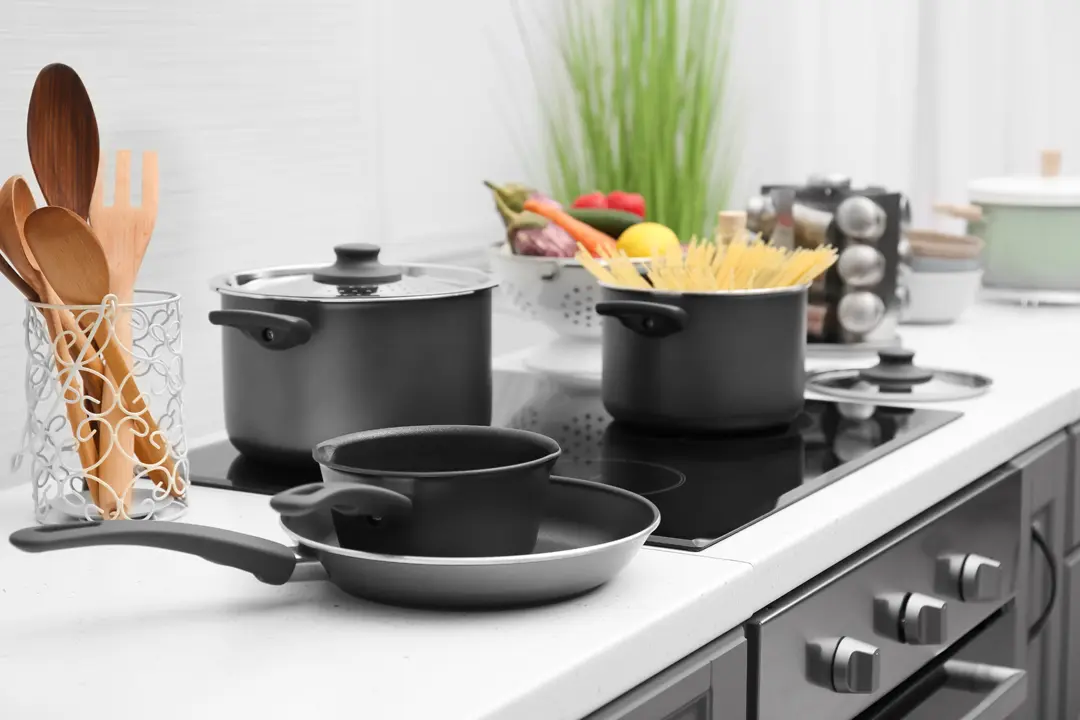
A quality 2-3 quart stainless steel saucepan with a lid handles daily cooking tasks from boiling pasta to making sauces and reheating leftovers. Stainless steel is non-reactive, meaning acidic foods like tomatoes or lemon juice won't affect flavors. Look for tri-ply construction with aluminum or copper cores between stainless steel layers—this provides even heat distribution while maintaining stainless steel's durability and ease of cleaning. Brands like All-Clad represent the gold standard, but excellent mid-range options exist from Cuisinart and Tramontina. The pan should feel substantial but not excessively heavy, with a comfortable, heat-resistant handle securely riveted to the body. A well-fitting lid is crucial for efficient cooking and maintaining moisture. Stainless steel's advantages include dishwasher safety, oven safety to high temperatures, and compatibility with all cooking surfaces including induction. These pans develop fond—the browned bits stuck to the pan bottom—which becomes the flavorful base for pan sauces. Deglaze with wine, stock, or water, scraping up the fond to create restaurant-quality sauces at home. Clean stubborn stains with Bar Keeper's Friend, a powder cleanser that safely removes discoloration without scratching. A good stainless saucepan represents a lifetime investment that will literally outlive you if properly maintained, making the upfront cost justifiable.
Dutch Oven: One-Pot Wonder
A 5-7 quart enameled cast iron Dutch oven is indispensable for braises, stews, soups, bread baking, and any cooking requiring sustained, even heat. Le Creuset and Staub dominate the market with beautiful, heirloom-quality options, but Lodge offers excellent enameled Dutch ovens at significantly lower prices. The heavy lid traps moisture, creating a self-basting environment perfect for tough meat cuts that transform into tender perfection through slow cooking. Dutch ovens excel at maintaining steady temperatures, crucial for developing complex flavors in dishes like chili, pot roast, or coq au vin. The enameled surface eliminates cast iron's maintenance concerns while providing nonstick-like properties and acid resistance. Use Dutch ovens for no-knead bread—the enclosed environment mimics professional steam-injected ovens, producing crispy crusts and airy interiors. These vessels transition elegantly from stove to oven to table, with beautiful exteriors suitable for serving directly. The thermal mass means once heated, the pot maintains temperature even after removing from heat, allowing dishes to finish cooking off-burner. This same property provides excellent heat retention for serving, keeping food warm throughout meals. Dutch ovens represent significant investments but last multiple generations with minimal care—simply avoid thermal shock by not plunging hot pots into cold water, and never use metal utensils on enamel surfaces.
Essential Support Equipment
Beyond primary cooking vessels, several tools dramatically improve kitchen functionality. Wooden spoons won't scratch cookware, withstand high heat, and don't conduct heat up the handle. Silicone spatulas scrape bowls completely clean, fold ingredients gently, and resist heat to 500°F. A box grater handles cheese, vegetables, citrus zest, and more with multiple grating sizes. Metal tongs function as heat-resistant extensions of your hands, perfect for flipping, turning, and serving. Measuring cups and spoons ensure recipe accuracy—buy sturdy metal or plastic sets rather than decorative ceramic versions. A colander drains pasta and washes produce efficiently. Mixing bowls in various sizes (preferably stainless steel or glass) serve countless purposes from food prep to serving. A meat thermometer eliminates guesswork, ensuring perfect doneness while maintaining food safety. Kitchen shears handle everything from opening packages to butterflying chickens. A can opener seems obvious but remains essential—choose sturdy manual models over electric versions that eventually break.
Building a functional kitchen doesn't require expensive specialty tools or complete knife sets. These fifteen essential items—a quality chef's knife, two cutting boards, cast iron skillet, stainless saucepan, Dutch oven, wooden spoons, silicone spatulas, box grater, tongs, measuring implements, colander, mixing bowls, meat thermometer, kitchen shears, and can opener—provide everything necessary for preparing virtually any recipe. Quality matters more than quantity; one excellent chef's knife outperforms a mediocre ten-piece set. Invest in foundational tools that will serve you for decades rather than accumulating gadgets that clutter drawers and rarely get used. As you develop cooking skills and preferences, you can add specialized equipment, but start with these essentials. Proper maintenance extends equipment life dramatically, making quality purchases economical over time. Remember that professional chefs create extraordinary meals with these same basic tools, proving that skill matters more than equipment. Focus your budget on the best versions of these essentials rather than spreading resources across unnecessary gadgets. Your cooking will improve, your kitchen will function better, and you'll actually enjoy the process more with the right tools properly maintained and skillfully used.