
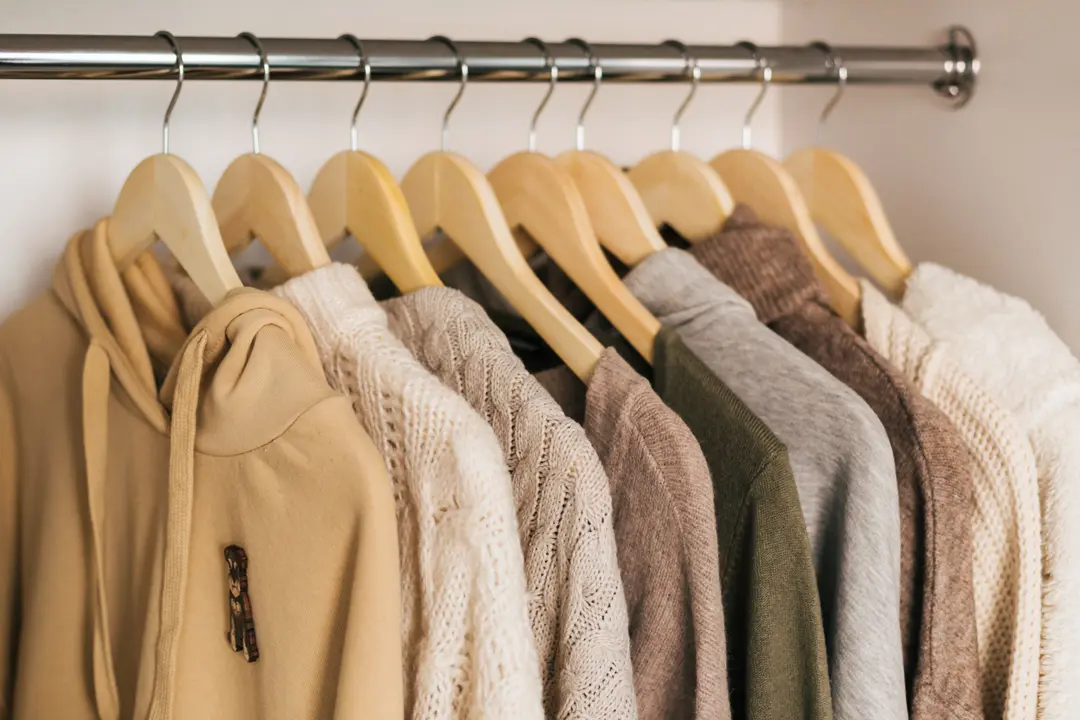
Building a Capsule Wardrobe: Less Clothes, More Style
Camille Cooper • 01 Jan 2026 • 153 views • 3 min read.Your closet overflows with clothes yet you wear the same ten pieces repeatedly. Getting dressed feels overwhelming—you try on five outfits, hate them all, and end up late wearing something you're not excited about. You've bought trendy pieces that seemed perfect in-store but never work with anything you own. Your closet contains expensive mistakes, impulse purchases, "someday" clothes that don't fit, and items you keep "just in case." Despite abundance, you feel like you have nothing to wear. The solution isn't buying more—it's owning less, but better. A capsule wardrobe is a curated collection of versatile, high-quality pieces that mix and match effortlessly, fit your actual life, and reflect your genuine style. With fewer items, getting dressed becomes easier, faster, and more enjoyable. You wear everything you own, reduce decision fatigue, save money long-term, and develop authentic personal style. This guide teaches you how to build a functional, stylish capsule wardrobe from scratch.
What Is a Capsule Wardrobe? (Understanding the Concept)
Definition:
A curated collection of essential clothing items (typically 30-40 pieces per season) that:
- Mix and match easily
- Suit your lifestyle
- Reflect your personal style
- Are high-quality and well-fitting
What's included:
- Tops, bottoms, dresses, outerwear
- Shoes (usually 5-10 pairs)
What's excluded:
- Accessories (scarves, jewelry, bags)
- Underwear, socks, pajamas, workout clothes
- Seasonal/special occasion items
The philosophy: Quality over quantity, versatility over trends
Why Capsule Wardrobes Work
Benefits of owning less:
Practical advantages:
✅ Faster mornings (everything matches, decisions easier) ✅ Less clutter (organized closet, visible options) ✅ Save money long-term (buy less, choose better) ✅ Travel easier (versatile pieces pack efficiently) ✅ Maintain easier (fewer items to wash, store, organize)
Psychological benefits:
✅ Reduce decision fatigue (one less daily stressor) ✅ Increase confidence (wear items you genuinely love) ✅ Develop personal style (clarity on what works for you) ✅ Less guilt (no more unworn items mocking you) ✅ Environmental impact (sustainable consumption)
Step 1: The Great Closet Audit (Start Here)
Before building capsule, understand what you actually wear:
The audit process:
1. Remove everything from closet (yes, everything)
2. Try on each item (actually put it on, don't just hold it up)
3. Create four piles:
LOVE (keep):
- Wear regularly
- Feel great in
- Fits perfectly
- Versatile (matches multiple items)
MAYBE (probation):
- Unsure about
- Haven't worn in 6+ months but "might"
- Needs tailoring/repair
DONATE/SELL:
- Good condition
- Doesn't fit current life/body
- Never wear despite "should"
TRASH:
- Stained, damaged beyond repair
- Worn out
Decision-making questions:
For each item, ask:
✅ Have I worn this in the last 6 months? (Be honest) ✅ Do I feel confident in this? (Or just okay?) ✅ Does it fit my current life? (Not aspirational future) ✅ Is it in good condition? (Stains, holes, pilling?) ✅ Would I buy this today? (If no, why keep it?)
The hardest part: Be ruthless
The hanger trick (for next phase):
After audit, hang LOVE items backward. When you wear something, hang it forward. After 3 months, items still backward = donate.
Reveals what you actually wear vs. think you wear
Step 2: Define Your Personal Style
Capsule must reflect YOUR style, not Pinterest's:
Identify your style category:
Classic/Timeless:
- Neutral colors (black, navy, white, camel)
- Traditional silhouettes
- Minimal trends
- Examples: tailored blazers, straight-leg jeans, button-downs
Minimalist:
- Monochrome palette
- Clean lines
- Simple silhouettes
- Quality fabrics
- Examples: black turtleneck, slim trousers, leather shoes
Bohemian:
- Flowing fabrics
- Earthy tones
- Patterns, textures
- Examples: maxi dresses, embroidered tops, wide-leg pants
Casual/Athleisure:
- Comfort-focused
- Sporty elements
- Relaxed fits
- Examples: joggers, hoodies, sneakers, denim
Edgy/Modern:
- Bold colors or all black
- Unique silhouettes
- Statement pieces
- Examples: leather jackets, asymmetrical cuts, chunky boots
Most people are a blend—identify primary (70%) + secondary (30%)
Lifestyle assessment:
What does your life actually require?
Work: Office (business casual?), remote (casual), physical (durable?)
Social: Casual hangouts? Fancy dinners? Outdoor activities?
Climate: Hot, cold, four seasons, rainy?
Daily activities: Commute? Gym? Errands? Kid-chasing?
Your wardrobe must serve your actual life
If you work from home and never attend galas, don't stock cocktail dresses
Step 3: The Capsule Wardrobe Formula
Core pieces for a 30-40 item capsule:
The breakdown:
Tops (10-12 pieces):
- 3-4 basic tees (white, black, gray, navy)
- 2-3 blouses/button-downs
- 2-3 sweaters/cardigans
- 1-2 special tops (silk cami, graphic tee, etc.)
Bottoms (6-8 pieces):
- 2 pairs jeans (dark wash, black or lighter wash)
- 1-2 dress pants/trousers
- 1-2 casual pants (chinos, joggers, etc.)
- 1-2 skirts (if you wear them)
Dresses (2-4 pieces):
- 1 casual day dress
- 1 workwear dress
- 1 special occasion dress
Outerwear (3-5 pieces):
- 1 versatile coat (trench, wool)
- 1 casual jacket (denim, bomber)
- 1 blazer
- 1 weather-appropriate (puffer, rain jacket)
Shoes (5-7 pairs):
- 1 everyday sneakers
- 1 ankle boots (black or brown)
- 1 dress shoes (heels, loafers, oxfords)
- 1 sandals (summer)
- 1 athletic shoes
Total: ~30-40 pieces
Step 4: Choose Your Color Palette
Cohesion comes from consistent colors:
The formula:
Neutrals (70%): Choose 2-3 as your base:
- Black
- Navy
- Gray
- White/cream
- Camel/tan
Accent colors (30%): Choose 2-3 that you love and that complement neutrals:
- Burgundy
- Olive green
- Rust/terracotta
- Blush pink
- Mustard
- Teal
Everything in your capsule should contain at least one color from your palette
Result: Nearly everything matches
Creating outfits:
Mix formula:
Neutral + Neutral + Neutral = Classic, safe Neutral + Neutral + Accent = Polished with interest Neutral + Accent + Accent = Bold but cohesive
Examples:
- Black jeans + white tee + camel blazer
- Navy trousers + white blouse + burgundy cardigan
- Gray sweater + black jeans + white sneakers
Step 5: Quality Over Quantity (Investment Pieces)
Where to spend vs. save:
Invest in (worth higher price):
✅ Outerwear (worn frequently, lasts years)
- Wool coat ($200-400)
- Leather jacket ($300-600)
- Quality trench ($150-300)
✅ Shoes (comfort + durability)
- Leather boots ($150-300)
- Quality sneakers ($80-150)
✅ Denim (fit is everything)
- Perfect jeans ($100-200)
✅ Basics worn often (white tees, black pants)
- Quality fabric lasts, looks better
Save on (trends, frequently replaced):
✅ Trendy pieces (won't wear long-term) ✅ Seasonal items (swimwear, summer dresses) ✅ Workout clothes (replaced from wear)
Budget-friendly quality sources:
- Everlane, Uniqlo (basics)
- J.Crew/Madewell sales (classics)
- Secondhand (thrift, Poshmark, ThredUp)
Step 6: Fit Is Everything
A $20 shirt that fits perfectly > $200 shirt that doesn't:
Proper fit checklist:
Tops:
- Shoulders seams sit on shoulder edge (not drooping)
- Sleeves end at wrist bone
- Not pulling/gaping at bust
- Length appropriate (not too cropped or long)
Pants:
- Waistband comfortable (no muffin top, no gapping)
- Rise appropriate (not too high or low)
- Legs skim body (not skin-tight or baggy)
- Length correct (hem at shoe or slightly above)
Dresses:
- Waist hits at natural waist
- Shoulders/bust fit well
- Length flattering for your height
Outerwear:
- Can layer underneath comfortably
- Shoulders fit
- Sleeves allow for movement
Tailoring is worth it:
Common alterations ($10-30 each):
- Hem pants/skirts
- Take in waist
- Shorten sleeves
- Taper legs
Transform okay pieces into perfect pieces
Step 7: Shopping Strategically
How to add to capsule without undoing progress:
The replacement rule:
New item in = old item out
Prevents accumulation
The 30-wear test:
Before buying, ask: "Will I wear this at least 30 times?"
Cost per wear calculation:
- $150 coat worn 100 times = $1.50/wear
- $40 trendy top worn 3 times = $13.30/wear
Which is better value?
Wait 48 hours before buying:
Put item in online cart or take photo in store
Wait 2 days
Still want it? Consider purchasing
Eliminated: 80% of impulse purchases
Seasonal additions (4 times/year):
Add 5-10 new pieces per season:
- Replace worn-out items
- Update with 1-2 trend pieces (if desired)
- Add seasonal needs (coats, sandals)
Refresh without overhaul
Maintaining Your Capsule Wardrobe
Ongoing practices:
Seasonal rotation:
Every 3-4 months:
- Store off-season items (winter coats in summer, etc.)
- Bring out seasonal pieces
- Assess what's worn, what's not
The 1-in-1-out rule (repeat):
Never stop this practice
Care properly:
Make clothes last:
- Wash less frequently (spot clean, air out)
- Cold water, gentle cycle
- Hang dry when possible
- Store properly (padded hangers, breathable bags)
- Repair promptly (loose buttons, small holes)
Quality pieces last years with care
Annual review:
Once yearly:
- Full closet audit
- Donate unworn items
- Assess if style/needs changed
- Update palette if needed
Common Capsule Wardrobe Mistakes
Mistake 1: Too strict with numbers
Problem: Obsessing over exact piece count
Fix: Numbers are guidelines—your perfect number might be 35 or 45
Mistake 2: All neutrals, no personality
Problem: Boring, uninspired wardrobe
Fix: Include accent colors, interesting textures, pieces you love
Mistake 3: Not accounting for lifestyle
Problem: Building "ideal" wardrobe not matching reality
Fix: Honest assessment of what your life requires
Mistake 4: Keeping items "just in case"
Problem: Defeats the purpose
Fix: Trust your editing—you can always buy if truly needed (you won't)
Mistake 5: Buying all at once
Problem: Expensive, overwhelming
Fix: Build gradually—start with basics, add over months
Capsule Wardrobe for Different Lifestyles
Office professional:
Focus: Workwear (60%) + Weekend (40%) Essentials: Blazers, trousers, blouses, dress shoes Casual: Jeans, tees, sneakers
Stay-at-home parent:
Focus: Comfortable, washable, practical Essentials: Jeans, tees, sweaters, sneakers, one nice outfit
Student:
Focus: Casual, versatile, budget-friendly Essentials: Jeans, tees, hoodies, sneakers, one interview outfit
Retiree:
Focus: Comfort + activities (travel, hobbies) Essentials: Casual pants, comfortable shoes, layers
Starting Small: Your First Capsule
Beginner 20-piece capsule:
Tops (7):
- 2 white tees
- 1 black tee
- 2 button-downs
- 2 sweaters
Bottoms (5):
- 1 black jeans
- 1 blue jeans
- 2 other pants
- 1 skirt
Dresses (2):
- 1 casual
- 1 dressy
Outerwear (3):
- 1 jacket
- 1 blazer
- 1 coat
Shoes (3):
- Sneakers
- Boots
- Dress shoes
Build from here
Build capsule wardrobes through closet audits (remove everything, try on, keep only love items), defining personal style (classic, minimalist, bohemian, casual, or edgy), selecting 30-40 versatile pieces (10-12 tops, 6-8 bottoms, 2-4 dresses, 3-5 outerwear, 5-7 shoes), choosing cohesive color palette (70% neutrals, 30% accents), investing in quality outerwear and shoes, ensuring perfect fit through tailoring, and shopping strategically with 30-wear test and 48-hour rule. Maintain through seasonal rotations, one-in-one-out rule, proper care, and annual reviews. Focus on lifestyle needs over aspirational ideals. Result: faster mornings, reduced decision fatigue, authentic style, and sustainable consumption.