
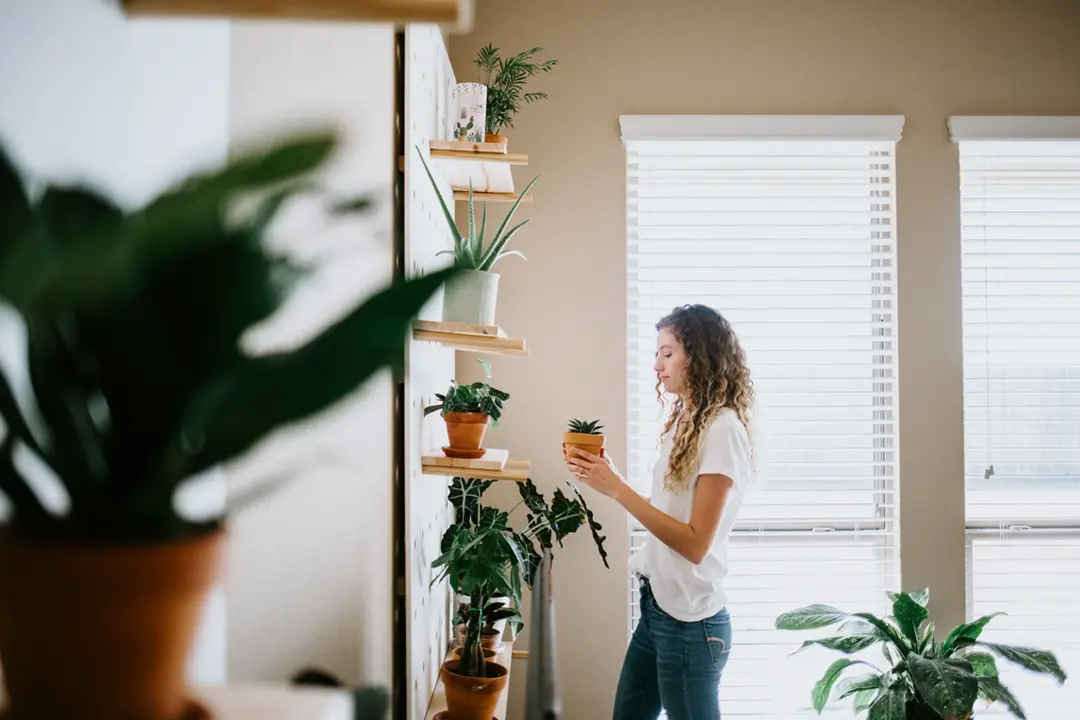
Houseplants for Beginners: Easy-Care Plants That Thrive
Camille Cooper • 01 Jan 2026 • 128 views • 3 min read.You want houseplants—they look beautiful, purify air, and bring life to your space. But every plant you've bought has died. The succulent rotted, the fern dried to a crisp, the "easy" pothos mysteriously withered. You're convinced you have a black thumb, that plants hate you, that you should stick to plastic. Meanwhile, your friend's apartment looks like a jungle with seemingly zero effort. The truth: You're not killing plants because you're bad at it—you're killing them because you're choosing wrong plants or misunderstanding their needs. Most beginners pick plants that look good but require specific conditions (bright light, high humidity, precise watering schedules). Meanwhile, truly beginner-friendly plants sit ignored in nursery corners because they're "boring." Understanding which plants actually tolerate neglect, overwatering, low light, and mistakes—plus basic care principles that apply to all houseplants—transforms you from plant killer to plant parent. This guide recommends genuinely easy plants and teaches fundamental care.
Why Your Plants Keep Dying (The Real Reasons)
Common beginner mistakes:
Mistake 1: Overwatering (the #1 killer)
The problem:
- More plants die from overwatering than anything else
- Root rot from constantly wet soil
- Roots need oxygen—drowning kills them
Why beginners overwater:
- Thinking more water = more love
- Watering on schedule instead of need
- Pots without drainage (water pools)
The fix:
- Water when soil is dry (stick finger 2 inches deep)
- Pots MUST have drainage holes
- Err on the side of underwatering
Mistake 2: Wrong light conditions
The problem:
- "Low light" doesn't mean NO light
- Different plants need different light levels
- Light requirements not matched to your space
Examples:
- Putting sun-loving succulent in dark corner (dies)
- Putting shade-loving fern in direct sun (burns)
The fix:
- Assess your space honestly (bright? medium? low?)
- Choose plants matching your light
- Use grow lights if needed
Mistake 3: Choosing difficult plants
The problem:
- Buying plants because they look cool
- Fiddle leaf figs, calatheas, maidenhair ferns = advanced level
- Setting yourself up for failure
The fix:
- Start with actual beginner plants (see below)
- Graduate to harder plants later
Understanding Basic Plant Needs
Before buying any plant, know these fundamentals:
Light levels explained:
Bright indirect light:
- Within 2-3 feet of south/west-facing window
- Bright room but no direct sun hitting leaves
- Can see clearly to read without artificial light
Medium light:
- 4-6 feet from bright window
- East-facing window
- Somewhat bright but not intense
Low light:
- North-facing window
- Room with windows but far from them
- Can see but need lamp to read
No plant survives in NO light (closets, windowless bathrooms)
Watering wisdom:
General rules:
✅ Drainage holes required (non-negotiable) ✅ Water thoroughly (until water drains out bottom) ✅ Let soil dry between waterings (most plants) ✅ Empty saucer (don't let plant sit in water) ✅ Adjust frequency by season (less in winter, more in summer)
Testing soil moisture:
- Stick finger 2 inches into soil
- Dry = water
- Moist = wait
- Wet = definitely wait
Pot and soil considerations:
Pot size:
- Slightly larger than root ball (1-2 inches)
- Too big = soil stays wet, root rot
- Too small = roots cramped, plant struggles
Drainage:
- Holes in bottom (essential)
- Saucer/tray underneath (catches water)
- Or cache pot (decorative outer pot with drainage pot inside)
Soil:
- Potting mix (not garden soil)
- Well-draining (perlite, bark help)
- Cacti/succulents need special mix
The Top 10 Actually Easy Houseplants
These plants forgive mistakes:
1. Pothos (Epipremnum aureum) ⭐⭐⭐⭐⭐
Why it's perfect for beginners:
- Tolerates low to bright indirect light
- Tells you when it needs water (droops, perks up after watering)
- Grows in water or soil
- Hard to kill
- Fast-growing (rewarding)
- Vines look beautiful (trailing or climbing)
Care:
- Light: Low to bright indirect (adaptable)
- Water: When top 2 inches dry (every 7-10 days)
- Humidity: Normal room humidity fine
- Pet-safe: No (toxic if ingested)
Varieties: Golden pothos (most common), marble queen, neon, jade
Where to put: Shelf, hanging basket, desk
2. Snake Plant (Sansevieria/Dracaena trifasciata) ⭐⭐⭐⭐⭐
Why it's perfect:
- Survives neglect (can go weeks without water)
- Low light tolerant
- Air purifying
- Architectural look (modern, sculptural)
- Slow-growing (low maintenance)
Care:
- Light: Low to bright indirect
- Water: Every 2-4 weeks (let dry completely)
- Humidity: Doesn't care
- Pet-safe: No (toxic)
Warning: Overwatering kills these—err on dry side
Where to put: Bedroom, office, bathroom
3. ZZ Plant (Zamioculcas zamiifolia) ⭐⭐⭐⭐⭐
Why it's perfect:
- Extremely drought tolerant
- Low light champion
- Glossy, attractive leaves
- Slow-growing (repot rarely)
- Pest-resistant
Care:
- Light: Low to bright indirect
- Water: Every 2-3 weeks (very drought tolerant)
- Humidity: Normal
- Pet-safe: No (toxic)
Where to put: Dark corners, offices, anywhere
4. Spider Plant (Chlorophytum comosum) ⭐⭐⭐⭐
Why it's great:
- Very forgiving
- Makes baby plants (easy propagation)
- Air purifying
- Variegated varieties attractive
- Fast-growing
Care:
- Light: Bright indirect (tolerates some low)
- Water: When top inch dry (weekly)
- Humidity: Prefers higher but tolerates normal
- Pet-safe: Yes! (safe for cats/dogs)
Where to put: Hanging basket (babies cascade)
5. Philodendron (Heartleaf) ⭐⭐⭐⭐
Why beginners like it:
- Similar to pothos (easy care)
- Heart-shaped leaves
- Vining or upright varieties
- Fast grower
- Tolerant
Care:
- Light: Low to bright indirect
- Water: When top 2 inches dry
- Humidity: Normal
- Pet-safe: No (toxic)
Where to put: Shelves, hanging baskets
6. Rubber Plant (Ficus elastica) ⭐⭐⭐⭐
Why it's good:
- Tolerates some neglect
- Large, glossy leaves (statement plant)
- Grows into tree form
- Air purifying
Care:
- Light: Bright indirect (tolerates medium)
- Water: When top 2-3 inches dry
- Humidity: Normal
- Pet-safe: No (mildly toxic)
Tip: Wipe leaves monthly (removes dust)
Where to put: Living room corner (floor plant)
7. Chinese Evergreen (Aglaonema) ⭐⭐⭐⭐
Why it works:
- Low light tolerant
- Beautiful variegated leaves (pink, red, silver)
- Slow growing
- Compact size
Care:
- Light: Low to medium
- Water: When top inch dry
- Humidity: Prefers higher but adapts
- Pet-safe: No (toxic)
Where to put: Bathroom, office
8. Dracaena (Various species) ⭐⭐⭐⭐
Why it's reliable:
- Many varieties (different looks)
- Low to medium light
- Tall, architectural
- Slow growing
Care:
- Light: Low to bright indirect
- Water: When top 2 inches dry
- Humidity: Normal
- Pet-safe: No (toxic to pets)
Popular varieties: Dracaena marginata, mass cane, corn plant
Where to put: Floor plant for corners
9. Peperomia ⭐⭐⭐⭐
Why beginners like it:
- Compact size (desk plant)
- Many cute varieties
- Low water needs
- Adaptable
Care:
- Light: Bright indirect to medium
- Water: When top 2 inches dry (don't overwater)
- Humidity: Normal
- Pet-safe: Yes!
Where to put: Desk, bookshelf
10. Aloe Vera (Succulent) ⭐⭐⭐
Why it's good:
- Functional (soothing gel for burns)
- Low water needs
- Interesting look
- Makes baby plants
Care:
- Light: Bright indirect to direct
- Water: Every 2-3 weeks (when dry)
- Humidity: Doesn't care (desert plant)
- Pet-safe: No (toxic)
Special soil: Cactus/succulent mix (well-draining)
Where to put: Sunny windowsill
Plants to AVOID as Beginner
These are beautiful but difficult:
❌ Fiddle Leaf Fig (temperamental, drops leaves, specific light/water needs) ❌ Calatheas (need high humidity, finicky) ❌ Maidenhair Fern (high humidity required, dries out fast) ❌ Orchids (bloom once, hard to rebloom, specific care) ❌ Boston Fern (humidity-dependent, drops leaves) ❌ String of Pearls (overwater easily, sensitive)
Wait until you've kept easy plants alive 6+ months
Troubleshooting Common Problems
Yellow leaves:
Causes:
- Overwatering (most common)
- Underwatering (less common)
- Natural aging (lower leaves)
Fix:
- Check soil moisture
- Adjust watering
- Remove dead leaves
Brown leaf tips:
Causes:
- Underwatering
- Low humidity
- Tap water chemicals (fluoride)
Fix:
- Water more consistently
- Mist plant or use humidifier
- Use filtered water
Drooping/wilting:
Causes:
- Needs water (soil dry)
- Overwatering (root rot)
Fix:
- Check soil
- If dry, water
- If wet, let dry out completely
Leggy growth (sparse, stretched):
Cause: Not enough light
Fix: Move to brighter spot or add grow light
Pests (tiny bugs):
Common pests:
- Spider mites (tiny, webbing)
- Fungus gnats (small flies in soil)
- Mealybugs (white cotton-like)
Fix:
- Isolate plant
- Spray with insecticidal soap
- Wipe leaves with alcohol
- Repot if severe
Care Calendar
Seasonal adjustments:
Spring/Summer (growing season):
- Water more frequently (plants actively growing)
- Fertilize monthly (diluted liquid fertilizer)
- More light available (days longer)
Fall/Winter (dormant season):
- Water less frequently (growth slows)
- No fertilizer (plants resting)
- Watch for dry air from heating
- Some leaf drop normal
Starting Your Plant Collection
Strategic approach for beginners:
Your first three plants:
1. Pothos or snake plant (easiest, most forgiving) 2. Spider plant (if you have pets) OR ZZ plant (if no pets) 3. One that excites you (from beginner list)
Why three?
- Enough to learn but not overwhelming
- Different care needs teach you variety
- Room for mistakes without total failure
Where to buy:
Nurseries/garden centers:
- Healthier plants
- Staff can help
- More expensive
Big box stores (Home Depot, Lowe's):
- Cheaper
- Less healthy sometimes
- Check carefully before buying
Online (The Sill, Bloomscape):
- Convenient
- Good for specific plants
- Shipping stress possible
Local plant swaps/friends:
- Free/cheap
- Propagated plants (clippings)
- Community connection
Inspection checklist before buying:
No yellow/brown leaves
No visible pests
Firm stems (not mushy)
Moist but not soggy soil
Healthy root system (if you can check)
Beyond Survival: Helping Plants Thrive
Once plants are alive, optimize:
Fertilizing:
When: Growing season (spring/summer) How often: Monthly What: Diluted liquid fertilizer (half strength) Why: Potting soil nutrients deplete
Don't: Fertilize dormant plants (winter) or sick plants
Repotting:
When: Every 1-3 years or when root-bound
Signs needing repot:
- Roots growing from drainage holes
- Water drains immediately (pot all roots)
- Growth slowed significantly
Process:
- Go up one pot size (1-2 inches larger)
- Fresh potting soil
- Gently loosen roots
- Water after repotting
Propagation (making new plants):
Easiest plants to propagate:
- Pothos: Cut stem, place in water, roots grow
- Spider plant: Detach babies, pot them
- Snake plant: Leaf cuttings in soil
Free plants from plants you have!
Realistic Expectations
What to expect as beginner:
✅ You will kill some plants (everyone does) ✅ Growth is slow (not instant jungle) ✅ Seasons affect plants (winter = slow/dormant) ✅ Learning takes time (6 months to understand your space)
Success = more plants alive than dead
Best beginner houseplants include pothos (low to bright light, forgiving), snake plant (extreme drought tolerance, low light), ZZ plant (thrives in darkness), spider plant (pet-safe, easy), heartleaf philodendron (similar to pothos), rubber plant (statement plant), Chinese evergreen (low light beauty), dracaena (architectural), peperomia (compact, pet-safe), and aloe vera (functional succulent). Water when top 2 inches of soil dry—overwatering kills most plants. Ensure pots have drainage holes. Match plant light needs to your space. Avoid fiddle leaf figs, calatheas, and maidenhair ferns initially. Start with three plants from beginner list. Fertilize monthly in spring/summer only.