
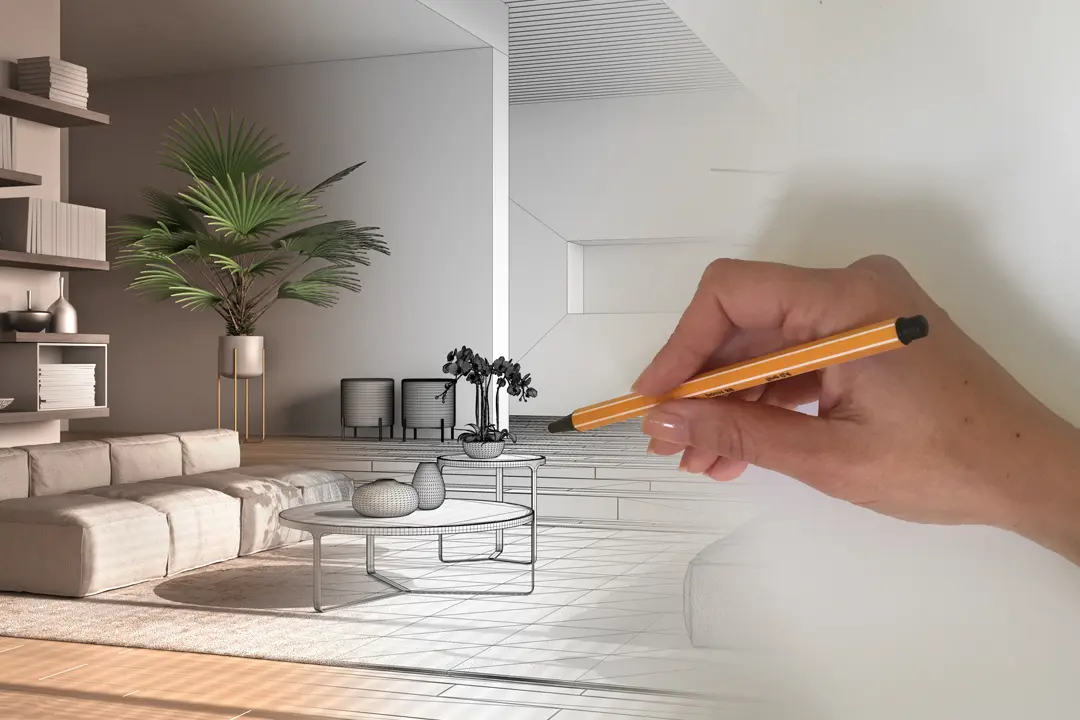
Interior Design on a Budget: Making Your Space Look Expensive
Camille Cooper • 28 Dec 2025 • 153 views • 3 min read.You scroll through Pinterest and Instagram, marveling at beautifully designed homes that look straight out of magazines. Then you look at your own space—mismatched furniture, bare walls, cluttered surfaces—and assume achieving that polished look requires thousands of dollars you don't have. So you do nothing, living in a space that never quite feels like home. Here's the secret interior designers know: expensive-looking spaces aren't necessarily expensive to create. The difference between "cheap college apartment" and "sophisticated adult home" often has nothing to do with budget and everything to do with intentional choices, strategic styling, and understanding basic design principles. High-end design is about thoughtful curation, not price tags. It's using paint strategically, arranging furniture correctly, choosing cohesive colors, and styling with purpose. This guide reveals the tricks designers use to make budget-friendly spaces look luxurious and expensive. No complete overhaul required, no trust fund necessary—just smart strategies that transform your space without destroying your bank account.
The Foundation: Understanding What Makes Spaces Look Expensive
Before spending a dollar, understand these principles:
Cohesion over quantity: A few well-chosen, coordinated pieces beat random accumulation of "stuff"
Quality in key areas: Splurge strategically on visible, high-impact items; save on hidden elements
Simplicity and restraint: Clutter looks cheap regardless of price. Curated minimalism reads as expensive
Attention to detail: Finished touches (crown molding, coordinated hardware, intentional styling) elevate everything
Proper scale and proportion: Right-sized furniture for the room, balanced arrangements
Lighting matters enormously: Good lighting makes everything look better; bad lighting makes everything look worse
Color confidence: Intentional color schemes look deliberate and designed
Clean and maintained: The most expensive furniture looks cheap when dirty or damaged
These principles cost nothing but awareness and effort.
Strategy 1: Paint—Your Most Powerful Budget Tool
Why Paint Transforms Spaces
Paint is inexpensive (~$30-50/gallon covers 400 sq ft) but delivers dramatic impact. It's the single best ROI for budget design.
Choosing Paint Colors That Look Expensive
Avoid: Builder-grade beige, stark white, overly bright colors
Choose:
Sophisticated neutrals:
- Warm grays (Agreeable Gray, Repose Gray)
- Greiges (blend of gray and beige)
- Soft whites with undertones (not stark contractor white)
- Deep, moody colors (navy, charcoal, forest green) for accent walls
Rich accent colors:
- Emerald green
- Deep navy
- Burnt terracotta
- Sophisticated blush
High-Impact Paint Projects:
Accent walls: Create focal points without painting entire rooms
Ceiling: Fifth wall opportunity—darker ceilings add drama and intimacy
Interior doors: Black or dark charcoal doors look custom and intentional
Trim and molding: Crisp white trim against colored walls = instant polish
Built-ins or shelving: Paint backing a contrasting color
Furniture: Transform cheap pieces with paint (dressers, side tables, bookshelves)
Painting Techniques for Luxury Look:
Proper prep: Fill holes, sand, prime (this is where amateurs fail)
Multiple thin coats: Better than one thick coat
Quality brushes/rollers: Cheap tools leave texture and streaks
Clean lines: Use painter's tape for crisp edges
Remove outlet covers: Paint around them separately for professional finish
Strategy 2: Declutter and Edit Ruthlessly
Clutter Always Looks Cheap
No amount of money makes a cluttered space look expensive. Simplicity signals sophistication.
The Editing Process:
Remove 30% of what's visible:
- Surfaces (coffee tables, counters, shelves)
- Walls (take down half your wall art initially)
- Furniture (if room feels cramped)
The "hotel test": Would this item be in a luxury hotel room? If not, reconsider its visibility
Hidden storage: Invest in attractive storage (baskets, boxes, ottomans with storage) to hide necessary items
Clear surfaces: Coffee tables, nightstands, counters should have 60% empty space
Negative space matters: Empty wall space, floor space, breathing room = luxury
One-in-one-out rule: New décor item arrives, old one leaves
Strategy 3: Lighting Layering Creates Ambiance
Bad Lighting = Cheap Looking Space (Always)
Overhead lighting alone looks institutional. Layered lighting looks intentional and expensive.
The Three Types of Lighting:
Ambient (general): Overall illumination Task: Focused light for activities (reading, cooking) Accent: Highlights features, creates mood
Budget Lighting Strategies:
Ditch overhead-only lighting:
- Add floor lamps ($30-100)
- Table lamps on side tables, consoles
- String lights or LED strips for ambient glow
Warm bulbs only:
- 2700-3000K (soft white/warm white)
- Cool/daylight bulbs look institutional and harsh
Dimmer switches:
- $15-30 installed
- Instant ambiance and control
Statement light fixtures:
- Swap basic builder fixtures for dramatic pendants or chandeliers
- Thrift stores, Facebook Marketplace, affordable options at Target/IKEA
Candles (real or LED):
- Grouped in varying heights
- Creates warm, expensive ambiance
Under-cabinet lighting (kitchen):
- Battery-operated LED strips ($20)
- Makes kitchens look custom
The magic hour: Turn off overheads at night, use only lamps—instant sophistication
Strategy 4: Furniture Arrangement and Scale
Free but High-Impact
Common Mistakes:
❌ Furniture pushed against walls (makes rooms feel smaller) ❌ Wrong-sized furniture for room (too big or too small) ❌ No defined conversation areas ❌ Traffic flow blocked
Expensive-Looking Arrangements:
Float furniture: Pull sofas/chairs away from walls (even 6-12 inches creates breathing room)
Create conversation zones: Arrange seating to face each other, not all facing TV
Define areas with rugs: Especially in open floor plans
Leave space between furniture and walls: Shows confidence and spaciousness
Proper furniture scale:
- Large rooms: bigger, substantial pieces
- Small rooms: fewer, appropriately-scaled pieces
- Avoid cluttering small spaces with too much furniture
Focal points: Arrange furniture around them (fireplace, window, TV, architectural feature)
Traffic paths: 30-36 inches clearance for walking
The "room plan" before buying anything: Measure space, plan arrangement, then shop
Strategy 5: Textiles and Layers Add Luxury
Inexpensive Items with Big Visual Impact
Throw Pillows:
Budget approach:
- Buy affordable pillow inserts (IKEA, Amazon)
- Splurge on nice covers (easier to swap, wash)
- Mix patterns and textures
- Stick to cohesive color palette
- Odd numbers (3, 5, 7)
- Variety of sizes
Throws and Blankets:
- Drape over sofa arm or chair
- Adds texture and coziness
- Choose quality-looking materials (chunky knits, faux fur, linen)
Curtains:
Hanging curtains properly = expensive look
Hang high and wide:
- Mount rod close to ceiling (not at window frame top)
- Extend rod 6-12 inches beyond window on each side
- Creates illusion of larger windows and higher ceilings
Length matters:
- Floor-length or puddle slightly
- Never hanging above floor
Quality appearance:
- Lined curtains look more expensive
- Solid colors more timeless than patterns
- Linen or velvet fabrics appear luxe (affordable at Target, H&M Home)
Area Rugs:
- Define spaces
- Add warmth and texture
- Size matters: too small looks cheap (under all front legs of furniture, or all legs)
Affordable sources: Rugs USA, Wayfair sales, Target, IKEA, vintage/used
Strategy 6: Art and Wall Décor on a Budget
Bare Walls Look Unfinished
Affordable Art Options:
DIY abstract art:
- Canvas + acrylic paint
- Large-scale pieces look expensive
- YouTube tutorials abound
Printable art:
- Etsy digital downloads ($5-15)
- Print at FedEx/Staples on nice paper
- Frame (IKEA, thrift stores)
Frame existing items:
- Fabric swatches
- Book pages
- Vintage maps or botanical prints
- Sheet music
- Wallpaper samples
Gallery walls:
- Mix frame sizes and styles
- Cohesive color palette
- Plan layout on floor first
Large mirrors:
- Reflect light, create spaciousness
- Lean oversized mirrors against walls (very current, looks expensive)
- Thrift store frames + mirrors cut to size
Statement wall:
- Removable wallpaper (one accent wall)
- Board and batten (DIY with lumber and paint)
- Picture molding/wainscoting (affordable DIY)
Hanging properly:
- Eye level (57-60 inches center)
- Proper spacing
- Use level (crooked art looks cheap)
Strategy 7: Strategic Splurges vs. Smart Saves
Where to Spend:
Sofa: You use it daily; quality matters for longevity and comfort Mattress: Health and daily use justify investment Dining table: Solid wood can last decades; thrift/refinish is smart Area rugs (living room): High-traffic durability matters Window treatments: Good curtains last and make huge visual impact
Where to Save:
Bedroom furniture: Often not visible to guests; IKEA/budget fine Decorative accessories: Change frequently; affordable options work Trendy items: Won't keep long-term; go budget Side tables/accent furniture: Easy to find used or budget Kids' furniture: They outgrow and destroy; go cheap
The Mix: High and low together looks curated and intentional
Expensive sofa + IKEA side tables + thrifted coffee table = designer look
Strategy 8: Shop Smart and Secondhand
Where Budget-Savvy Designers Shop:
Thrift stores: Furniture, frames, mirrors, lamps (look for quality bones, refinish/paint)
Facebook Marketplace/Craigslist: Solid wood furniture, vintage finds
Estate sales: High-quality items at fraction of cost
IKEA: Affordable basics, hack them for custom look
Target/H&M Home: Affordable textiles, pillows, décor
HomeGoods/TJ Maxx: Discounted home goods, hit-or-miss but deals exist
Wayfair/Overstock: Sales and affordable furniture
Amazon: Affordable basics, read reviews carefully
What to Look For Secondhand:
Solid wood furniture: Can be painted, refinished, reupholstered Quality frames: Paint or refinish Unique vintage pieces: One-of-a-kind character Brass/gold hardware: Lacquer or polish
Avoid secondhand: Upholstered furniture (bedbugs/smells), mattresses, particle board furniture (doesn't last)
Strategy 9: Add Greenery and Natural Elements
Plants = Instant Life and Luxury
Why plants look expensive:
- Add color, texture, life
- Soften hard surfaces
- Purify air
- Free if you propagate
Budget plant strategies:
Start with easy, low-maintenance:
- Pothos
- Snake plant
- ZZ plant
- Spider plant
Propagate: Grow new plants from clippings (free!)
Vary heights: Tall floor plants, tabletop, hanging
Nice planters matter:
- Baskets (IKEA, thrift stores)
- Ceramic pots (discount stores)
- DIY painted terra cotta
Faux plants: Acceptable if high-quality; dust regularly
Other natural elements:
- Wood (cutting boards, bowls, trays)
- Woven baskets for storage
- Natural fiber rugs (jute, sisal)
- Stone or marble (even small accents)
Strategy 10: Details and Finishing Touches
The Devil (and Designer Look) Is in the Details
Hardware upgrades:
- Swap builder-grade cabinet/drawer pulls for modern options ($2-5 each)
- Matching finishes throughout (all brass, all black, all chrome)
- Door handles upgraded
Crown molding/baseboards:
- DIY or hire for one room (dramatic impact)
- Paint existing molding crisp white
Outlets and switch plates:
- Replace yellowed ones with white
- Upgrade to modern styles
Coordinated metals:
- Consistency looks intentional (light fixtures, hardware, faucets in same finish)
Books as décor:
- Remove dust jackets for cohesive look
- Stack, arrange by color
- Coffee table books (thrift stores)
Trays and styling:
- Corral items on trays (coffee table, bathroom counter, dresser)
- Odd-number groupings (3, 5 objects)
- Vary heights
Fresh flowers (or faux):
- Simple bouquet from grocery store ($5-10)
- Single stems in bud vases
- Weekly refresh feels luxe
Scent:
- Candles, diffusers create sensory luxury
- Consistent signature scent
Room-by-Room Budget Upgrades
Living Room:
Priority: Sofa/seating arrangement, lighting, rug, curtains, art Budget wins: Paint, rearrange furniture, add lamps, DIY art, thrifted coffee table
Bedroom:
Priority: Quality bedding, curtains, bedside lamps Budget wins: Paint accent wall, upgrade pillows, remove clutter, add plants
Kitchen:
Priority: Lighting, painted cabinets, hardware Budget wins: Paint walls, update hardware, under-cabinet lighting, declutter counters, style open shelving
Bathroom:
Priority: Updated fixtures, mirrors, lighting Budget wins: Paint, new shower curtain, matching towels, declutter counters, add plants, upgrade hardware
Dining Room:
Priority: Lighting fixture, rug Budget wins: Paint, thrifted/refinished table, DIY art, style table with runner/centerpiece
Common Budget Design Mistakes to Avoid
Mistake 1: Buying Everything at Once
Curate slowly. Living with space helps identify true needs. Hasty purchases often regretted.
Mistake 2: Ignoring Scale
Tiny rug, oversized furniture, wrong lamp proportions—all scream "didn't measure."
Mistake 3: Too Matchy-Matchy
Furniture sets look dated. Mix styles, eras, finishes for collected-over-time look.
Mistake 4: Neglecting Lighting
Cannot overstate: good lighting transforms everything.
Mistake 5: Following Trends Too Closely
Trendy items date quickly and feel cheap. Timeless > trendy for expensive look.
Mistake 6: Visible Cords and Clutter
Cord management, cable boxes hidden, clutter controlled = polished
Mistake 7: Wrong-Sized Art
Too small art on large walls looks lost. Go bigger than you think.
Creating an expensive-looking space on a budget isn't about faking wealth—it's about understanding design principles and applying them thoughtfully. Paint walls intentionally, arrange furniture properly, layer lighting, edit ruthlessly, add texture through textiles, shop secondhand strategically, and attend to details. These strategies cost little but deliver dramatic transformation. Start with one room, implement these techniques gradually, and watch your space evolve from generic to gorgeous. You don't need unlimited funds to live in a beautiful home—you need intentionality, creativity, and willingness to invest effort rather than just money. Your stylish, sophisticated space awaits.