
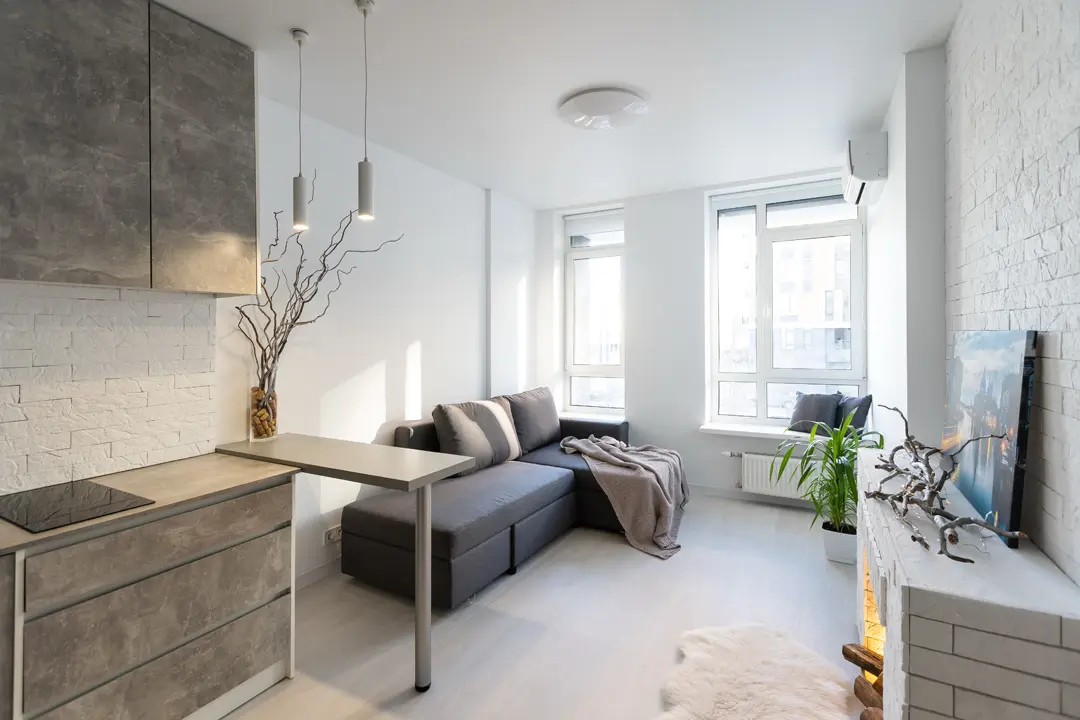
Organizing Small Spaces: Maximizing Every Square Foot
Camille Cooper • 01 Jan 2026 • 140 views • 3 min read.You live in a small apartment, studio, or tiny room where clutter accumulates instantly, storage is nonexistent, and every surface is covered with stuff. You've watched organizing shows where experts transform spaces with expensive built-ins and custom solutions, but you're renting, on a budget, and can't renovate. Your closet overflows, your kitchen counters disappear under appliances, and you can't find anything when you need it. You've tried organizing before—bought bins, decluttered, rearranged—but within weeks, chaos returns. The truth: Small spaces don't require expensive solutions or major renovations—they require strategic thinking. Understanding vertical space utilization, multipurpose furniture, hidden storage opportunities, and ruthless editing transforms cramped quarters into functional, organized homes. The key isn't having less (though that helps)—it's making every item earn its place and every inch work harder. This guide teaches you practical, budget-friendly strategies for maximizing small spaces without moving or renovating.
The Small Space Mindset Shift
Before organizing, change how you think:
From "I don't have space" to "I haven't optimized space"
Most small spaces have:
- Unused vertical space (walls, above doors, high shelves)
- Dead corners (awkward angles ignored)
- Hidden potential (under beds, inside doors, above cabinets)
- Furniture not earning its keep (single-purpose when could be multi)
The challenge isn't size—it's inefficient use of existing space
The one-in-one-out rule:
New item comes in = old item goes out
Why it works:
- Prevents accumulation
- Forces intentional purchasing
- Maintains equilibrium
Apply to:
- Clothing (new shirt = donate old shirt)
- Kitchen gadgets
- Books
- Décor
Exception: Consumables (food, toiletries)
Step 1: Ruthless Decluttering (The Foundation)
You can't organize clutter—you must eliminate it first:
The sorting system:
Four categories:
1. Keep (use regularly, brings joy) 2. Donate/Sell (good condition, unused) 3. Trash (broken, stained, expired) 4. Maybe (unsure—revisit in 3 months)
Process one category at a time:
- Clothing
- Books
- Kitchen items
- Papers
- Sentimental items
- Everything else
Decision-making questions:
For each item, ask:
✅ Have I used this in the last year? (No = probably donate) ✅ Do I have duplicates? (Keep best, donate rest) ✅ Would I buy this again today? (No = why keep it?) ✅ Does this fit my current life? (Not aspirational future) ✅ Is it worth the space it takes? (Opportunity cost)
Be honest—"I might need it someday" keeps everything
The 90/90 rule (for unused items):
Ask: "Have I used this in the last 90 days? Will I use it in the next 90?"
Both no = donate
Exception: Seasonal items (coats, holiday decorations)
Sentimental items (the hardest):
Strategies:
✅ Take photos (memory preserved, item gone) ✅ Keep one representative item (not every childhood toy) ✅ Digitize (documents, cards, children's artwork) ✅ Display favorites (in frames, shadow boxes) ✅ Pass on to family (they might treasure it)
You don't need to keep everything to honor memories
Step 2: Vertical Space Maximization
Think UP, not OUT:
Wall-mounted solutions:
✅ Floating shelves (books, plants, décor)
- Install above desks, beds, toilets
- Use full wall height
- Cost: $15-50 per shelf
✅ Pegboards (kitchen, office, entryway)
- Customizable, rearrangeable
- Holds tools, utensils, bags, keys
- Cost: $20-40 + hooks
✅ Wall-mounted hooks (coats, bags, towels)
- Behind doors
- Entryway walls
- Bathroom walls
- Cost: $5-20
✅ Magnetic strips (knives in kitchen, tools in garage)
- Frees drawer space
- Items visible and accessible
- Cost: $10-25
Over-the-door organizers:
Uses:
- Shoes (12-24 pairs per door)
- Cleaning supplies
- Toiletries
- Accessories (scarves, belts)
- Pantry items (spices, snacks)
Cost: $10-30
Benefit: No installation, renter-friendly
High shelving:
Above doorways, windows, cabinets:
- Install narrow shelves (6-8 inches deep)
- Store infrequently used items (seasonal, archives)
- Use labeled bins for easy identification
Out of sight but accessible when needed
Step 3: Multipurpose Furniture
Every piece should serve 2+ functions:
Essential multipurpose pieces:
✅ Bed with storage (drawers underneath or lift-up frame)
- Stores off-season clothing, linens, luggage
- Replaces dresser in tiny rooms
- Cost: $300-800
✅ Ottoman with storage (doubles as seating, coffee table, storage)
- Blankets, games, magazines
- Cost: $50-200
✅ Dining table that extends/folds
- Small for daily use, expands for guests
- Or fold-down wall-mounted table
- Cost: $100-400
✅ Sofa bed/futon (seating + guest bed)
- Essential for studios
- Cost: $300-1,000
✅ Nesting tables (multiple tables, compact storage)
- Pull out when needed
- Stack when not
- Cost: $50-150
✅ Bench with storage (entryway seating + shoe storage)
- Cost: $60-200
Furniture to avoid in small spaces:
❌ Large coffee tables (obstruct flow, limited function) ❌ Bulky armchairs (loveseat more space-efficient) ❌ King-size beds (queen max in small bedrooms) ❌ Oversized entertainment centers (wall-mount TV instead)
Proportion matters—furniture should fit space
Step 4: Hidden Storage Opportunities
Find storage where you didn't know it existed:
Under-bed storage:
Options:
- Rolling bins (easy access)
- Vacuum bags (seasonal clothing compressed)
- Shallow drawers (shoes, accessories)
Maximize: Use bed risers if needed (additional 6-12 inches height)
Cost: Risers $15-30, bins $20-50
Inside doors:
Back of closet doors:
- Over-door organizers (shoes, accessories)
- Hooks (robes, bags)
- Slim racks (ties, belts, scarves)
Back of cabinet doors:
- Spice racks
- Lid holders
- Cleaning supply hooks
Cost: $10-30 per door
Under-sink areas:
Often wasted space:
✅ Tiered shelves (utilize vertical space around pipes) ✅ Tension rods (hang spray bottles) ✅ Slide-out drawers (access back easily) ✅ Door-mounted organizers
Cost: $15-40 for organizers
Dead corner spaces:
✅ Corner shelves (floating triangular shelves) ✅ Lazy Susans (in cabinets, make corners accessible) ✅ Corner desks (utilize awkward angles)
Above cabinets (kitchen, bathroom):
- Decorative baskets (hide infrequently used items)
- Labeled bins (holiday dishes, extra linens)
- Displays (cookbooks, plants—if tall enough)
Dust accumulates—only for rarely-used items
Step 5: Room-by-Room Strategies
Kitchen (biggest challenge in small spaces):
Counter space solutions:
✅ Over-sink cutting board (creates work surface) ✅ Wall-mounted dish rack (frees counter space) ✅ Magnetic knife strip (frees drawer) ✅ Hanging pot rack (ceiling or wall-mounted)
Cabinet optimization:
✅ Shelf risers (doubles vertical space) ✅ Drawer dividers (utensils organized, accessible) ✅ Pull-out organizers (access deep cabinets) ✅ Door-mounted racks (spices, lids, foil/plastic wrap)
Declutter:
- Limit small appliances (coffee maker, toaster—keep on counter only if used daily)
- Duplicate utensils (one spatula, not five)
- Specialty gadgets (garlic press, egg slicer—rarely used, donate)
Bedroom:
Closet maximization:
✅ Double hanging rods (short items like shirts—hang two rows) ✅ Slim hangers (save 30% space vs. plastic hangers) ✅ Shelf dividers (stacked sweaters won't topple) ✅ Hanging organizers (shoes, accessories) ✅ Vacuum bags (off-season clothing compressed)
Under-bed: Primary storage location (see above)
Nightstand alternative: Wall-mounted shelf (no floor space used)
Bathroom:
Limited storage solutions:
✅ Over-toilet shelving (3-tier shelves, $30-60) ✅ Shower caddies (corner or hanging) ✅ Medicine cabinet (maximize use) ✅ Under-sink organization (see hidden storage) ✅ Towel hooks (instead of towel bars—saves space)
Declutter:
- Expired medications, cosmetics
- Hotel toiletries (use or donate)
- Duplicate products
Living room:
Furniture arrangement:
✅ Float furniture (away from walls—creates flow) ✅ Use corners (diagonal placement often works) ✅ Clear sightlines (avoid blocking pathways)
Storage:
✅ Media console with storage (holds electronics, DVDs, games) ✅ Baskets under side tables (remote controls, magazines) ✅ Wall-mounted TV (frees floor space)
Entryway/mudroom:
Essential in small spaces (prevent clutter spread):
✅ Key hooks (designated spot, never lose keys) ✅ Mail sorter (wall-mounted or basket) ✅ Shoe rack (slim, vertical) ✅ Coat hooks (instead of coat closet if lacking) ✅ Bench with storage (shoes inside, sit to put on)
Step 6: Visual Organization Techniques
Make space FEEL larger and more organized:
Clear containers (see what's inside):
- Fridge storage (leftovers, produce)
- Pantry (pasta, grains, snacks)
- Bathroom (cotton balls, Q-tips)
- Closet (accessories, undergarments)
Benefit: No digging, instant inventory
Cost: $1-5 per container
Labels (everything has a home):
- Storage bins (seasonal, documents, memorabilia)
- Pantry containers (flour, sugar, rice)
- Drawer dividers (batteries, cords, tools)
Label maker: $20-40 (or free—painter's tape + marker)
Color coordination (clothing closets):
- Organize by color (ROYGBIV)
- Visually pleasing
- Find items faster
Also works for books (if not concerned with genre)
Uniform bins/baskets (cohesive look):
- Same style throughout space
- Creates visual calm
- Stacked efficiently
Source: Dollar stores, IKEA, Container Store
Budget-Friendly Organization Hacks
Maximize without spending hundreds:
Free/cheap solutions:
✅ Cardboard boxes (covered in contact paper or fabric) ✅ Shoe boxes (drawer dividers) ✅ Mason jars (kitchen, bathroom storage) ✅ Tension rods (dividers, hanging storage) ✅ Binder clips (cable management) ✅ Repurpose furniture (ladder as bookshelf, crates as nightstand)
Where to shop:
Cheap:
- Dollar stores (bins, baskets, hooks)
- IKEA (shelving, storage solutions)
- Target (cute + affordable)
Free:
- Craigslist/Facebook Marketplace (shelves, furniture)
- Freecycle
- Curbside finds (check condition)
Maintaining Organization
Organizing once isn't enough—maintenance required:
Daily habits (5 minutes):
Put items back after use (designated homes)
Wipe kitchen counters (prevent clutter build-up)
Hang up clothes (or put in hamper)
Process mail immediately (toss junk, file important)
Weekly reset (15 minutes):
Declutter surfaces (counters, tables, nightstands)
Return misplaced items
Empty trash/recycling
Quick vacuum/sweep
Monthly check-in (30 minutes):
Assess clutter accumulation
Donate items no longer needed
Reorganize problem areas
Adjust systems not working
Seasonal deep clean (2-4 hours):
Rotate seasonal items (clothing, décor)
Major declutter session
Reorganize closets, storage
Deep clean while reorganizing
Consistency prevents backsliding
Small Space Living Mindset
Long-term success requires:
Intentional purchasing:
Before buying anything:
- Where will this go?
- What will I get rid of to make space?
- Do I absolutely need it?
- Is there a smaller/multipurpose version?
Avoid impulse buys—they clutter fast
Quality over quantity:
- One great knife > knife block set
- Capsule wardrobe > overflowing closet
- Few décor pieces > cluttered surfaces
Fewer, better items = easier organization
Embrace minimalism (somewhat):
You don't need to be extreme minimalist, but:
- Less stuff = less to organize
- Clear surfaces = peaceful mind
- Breathing room > packed spaces
Small spaces reward minimalist tendencies
Maximize small spaces through ruthless decluttering (one-in-one-out rule, 90/90 decision-making), vertical storage (floating shelves, pegboards, over-door organizers, wall hooks), multipurpose furniture (storage beds, ottoman storage, fold-down tables, sofa beds), and hidden storage opportunities (under-bed bins, inside doors, under-sink organizers, above cabinets). Room-specific strategies: kitchen counter solutions and cabinet optimization, bedroom closet maximization with double rods and slim hangers, bathroom over-toilet shelving, living room floating furniture. Use clear containers and labels for visual organization. Maintain with daily 5-minute resets and monthly decluttering sessions. Shop budget-friendly at dollar stores, IKEA, and secondhand sources. Practice intentional purchasing.