Marketing Funnel Explained: Awareness to Conversion
Emily Carter • 01 Jan 2026 • 338 views • 3 min read.You're getting website traffic but no sales. Your social media has followers but they don't buy. You run ads that get clicks but conversions are abysmal. You're frustrated—traffic exists, interest exists, but money doesn't follow. The problem: you're treating all potential customers the same, expecting someone who just discovered you to immediately purchase. That's like proposing marriage on a first date. The marketing funnel explains the customer journey from "never heard of you" to "loyal advocate." Understanding that people move through stages—Awareness (discovering you), Interest (learning more), Consideration (evaluating options), Conversion (purchasing), and Loyalty (repeat buying)—transforms your marketing. Each stage requires different strategies, messaging, and tactics. Awareness needs broad reach; conversion needs trust and urgency. Treating a cold audience like a warm one wastes budget and frustrates potential customers. This guide explains the marketing funnel and how to optimize each stage for maximum conversions.
What is a Marketing Funnel?
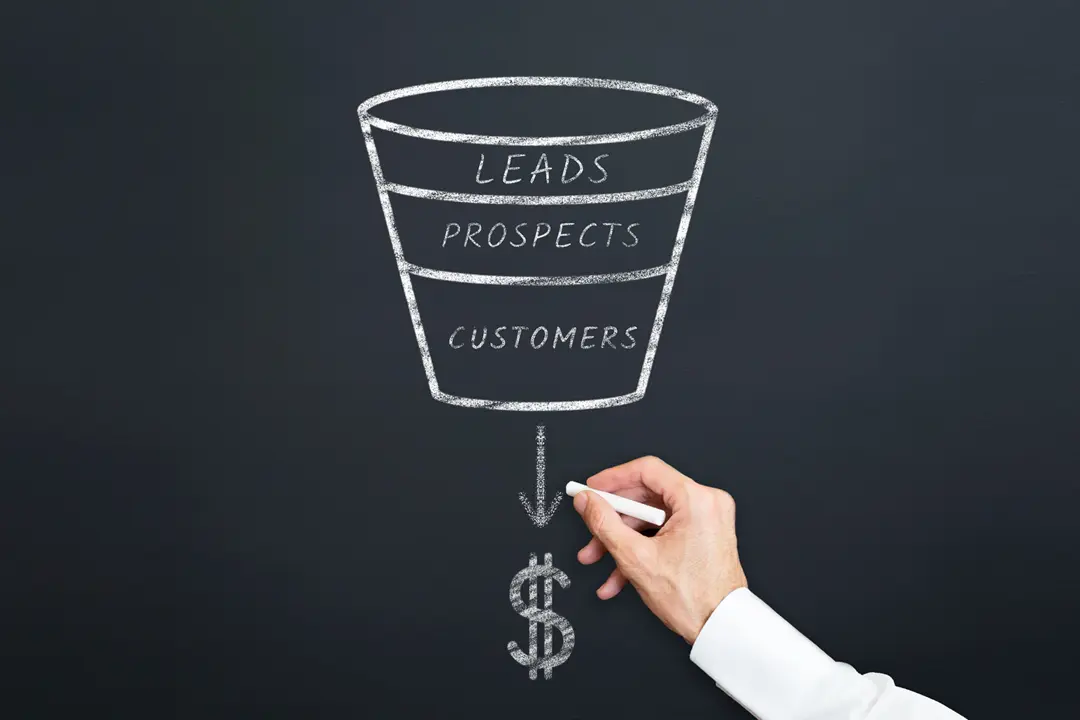
The customer journey visualization:
Definition:
A visual representation of the customer journey from first contact to purchase (and beyond), shaped like a funnel because:
Wide at top: Many people enter (awareness) Narrow at bottom: Fewer people convert (purchase)
Natural attrition: Not everyone who discovers you will buy—funnel narrows at each stage
Why it's called a funnel:
Numbers example:
- Awareness: 10,000 people see your ad
- Interest: 1,000 click to website (10%)
- Consideration: 100 add to cart (1%)
- Conversion: 20 purchase (0.2%)
Funnel shape: 10,000 → 1,000 → 100 → 20 (narrowing)
Your job: Maximize conversion at each stage, widen the bottom
The Traditional Funnel Stages (AIDA Model)
Classic framework:
The AIDA Model:
Awareness → Interest → Desire → Action
Modern expansion:
Awareness → Interest → Consideration → Conversion → Loyalty → Advocacy
Stage 1: Awareness (Top of Funnel - TOFU)
"I didn't know you existed, now I do"
What happens:
- Potential customer discovers your brand
- First touchpoint
- Problem may not even be fully recognized yet
Customer mindset: "Who are you?"
Goals:
✅ Reach maximum relevant people ✅ Create brand recognition ✅ Educate about problem (they may not know it exists)
NOT about selling yet—about being discovered
Tactics:
Paid advertising:
- Social media ads (Facebook, Instagram, TikTok)
- Display ads (Google Display Network)
- YouTube pre-roll ads
- Podcast sponsorships
Organic content:
- SEO-optimized blog posts
- Social media content (educational, entertaining)
- YouTube videos
- Podcasts
PR and media:
- Press releases
- Media coverage
- Guest articles
- Influencer partnerships
Events:
- Trade shows
- Webinars
- Workshops
- Sponsorships
Messaging:
Focus on:
- Education (not selling)
- Entertaining or valuable content
- Problem awareness (before solution)
Examples:
✅ "Tired of waking up groggy? You might have poor sleep hygiene" ✅ "The hidden productivity killer costing you 2 hours daily" ❌ "Buy our productivity app now!" (too early, turns people off)
Metrics to track:
- Impressions (how many saw your content/ad)
- Reach (unique people reached)
- Website traffic (sessions, unique visitors)
- Social media followers
- Brand search volume (people Googling your brand name)
- Video views
Success: Large volume of qualified people learning about you
Stage 2: Interest (Top-Middle of Funnel)
"I'm intrigued, tell me more"
What happens:
- Customer engages with content
- Actively seeking more information
- Exploring what you offer
Customer mindset: "What do you do? How does this help me?"
Goals:
✅ Engage audience ✅ Educate about your solution ✅ Build initial trust ✅ Capture contact information (email, follow)
Tactics:
Content marketing:
- Blog posts (in-depth guides)
- E-books, whitepapers (gated content for email capture)
- Email newsletters
- Educational videos
- Case studies
Social engagement:
- Q&A sessions
- Live streams
- Polls, interactive content
- Comments, DMs
Retargeting:
- Show ads to people who visited website
- Remind them you exist
Lead magnets:
- Free guides, checklists
- Free trials
- Webinars
- Templates, tools
Messaging:
Focus on:
- Value delivery (free, useful content)
- How your solution works
- Benefits over features
- Building relationship
Examples:
✅ "Download our free guide: 10 Sleep Hacks for Better Mornings" ✅ "Watch: How our customers improved productivity by 40%" ✅ "Join our email list for weekly tips"
Metrics to track:
- Engagement rate (likes, comments, shares / followers)
- Time on site (are they reading or bouncing?)
- Pages per session (exploring multiple pages?)
- Email signup rate
- Content downloads
- Video watch time (watching 25%? 50%? 100%?)
Success: People consuming your content, engaging, opting in
Stage 3: Consideration (Middle of Funnel - MOFU)
"I'm evaluating my options"
What happens:
- Customer compares you to alternatives
- Researching features, pricing, reviews
- Active decision-making process
Customer mindset: "Why should I choose you over competitors?"
Goals:
✅ Differentiate from competitors ✅ Build trust and credibility ✅ Address objections ✅ Nurture leads toward purchase
Tactics:
Comparison content:
- "[Your product] vs. Competitor" articles
- Feature comparison charts
- Pricing transparency
Social proof:
- Customer testimonials
- Case studies (detailed success stories)
- Reviews and ratings
- User-generated content
Trust building:
- Money-back guarantees
- Free trials (let them experience value)
- Security badges, certifications
- Media mentions ("As seen in...")
Email nurture sequences:
- Drip campaigns educating about product
- Success stories
- FAQ addressing objections
- Limited-time offers
Retargeting ads:
- Reminder ads to website visitors
- Showcase benefits, testimonials
- Overcome specific objections
Messaging:
Focus on:
- Differentiation (what makes you different/better)
- Proof (testimonials, data, results)
- Risk reduction (guarantees, trials)
- Addressing specific objections
Examples:
✅ "Unlike competitors, we offer 24/7 support with real humans" ✅ "See how Sarah increased sales by 150% in 90 days" ✅ "Try free for 30 days—no credit card required"
Metrics to track:
- Email open rates (nurture campaign engagement)
- Click-through rates (CTR on emails, ads)
- Demo/trial signups
- Add-to-cart rate
- Comparison page views
- Review page views
Success: People actively considering purchase, engaging with sales content
Stage 4: Conversion (Bottom of Funnel - BOFU)
"I'm ready to buy"
What happens:
- Customer decides to purchase
- Completes transaction
- Becomes customer
Customer mindset: "Let's do this. Make it easy."
Goals:
✅ Remove friction from purchase ✅ Create urgency ✅ Maximize transaction value ✅ Complete sale
Tactics:
Conversion optimization:
- Simple checkout process (minimal steps)
- Multiple payment options
- Guest checkout (don't force account creation)
- Progress indicators (Step 1 of 3)
- Trust signals (security badges, SSL)
Urgency and scarcity:
- Limited-time discounts
- Low stock warnings ("Only 3 left!")
- Countdown timers
- Seasonal promotions
Incentives:
- First-time buyer discounts
- Free shipping thresholds
- Bonuses with purchase
- Bundle deals
Abandoned cart recovery:
- Email reminders ("You left items in cart")
- Discount offers (10% off to complete purchase)
- SMS reminders
Upselling/Cross-selling:
- "Customers also bought..."
- "Upgrade to Pro for $10 more"
- "Add [complementary product] for 20% off"
Messaging:
Focus on:
- Ease (simple process)
- Urgency (buy now)
- Value (what they're getting)
- Risk removal (guarantees)
Examples:
✅ "Complete your order in under 60 seconds" ✅ "Sale ends tonight—save 30%" ✅ "30-day money-back guarantee—zero risk" ✅ "Add [Product B] now and save $20"
Metrics to track:
- Conversion rate (purchases / visitors)
- Cart abandonment rate (should be <70%)
- Average order value (AOV)
- Cost per acquisition (CPA)
- Revenue per visitor
- Checkout completion rate
Success: High conversion rate, low cart abandonment, growing AOV
Stage 5: Retention/Loyalty (Post-Purchase)
"I'm a happy customer, I'll buy again"
What happens:
- Customer uses product
- Evaluates satisfaction
- Decides whether to repurchase
Customer mindset: "Was this worth it? Will I buy again?"
Goals:
✅ Ensure customer satisfaction ✅ Encourage repeat purchases ✅ Maximize customer lifetime value (CLV) ✅ Reduce churn
Why it matters: Retaining customers costs 5-25x less than acquiring new ones
Tactics:
Onboarding:
- Welcome email sequence
- Product tutorials, guides
- Check-in emails ("How's it going?")
Customer success:
- Proactive support
- Tips for getting most value
- Feature education
Loyalty programs:
- Points for purchases
- VIP tiers
- Exclusive discounts for repeat customers
Re-engagement:
- Win-back campaigns (inactive customers)
- Personalized recommendations
- Replenishment reminders (consumables)
Subscriptions:
- Auto-renewal (frictionless repeat purchase)
- Subscription discounts
Messaging:
Focus on:
- Value delivery (helping them succeed)
- Appreciation (thank you for being customer)
- Exclusive benefits (loyalty rewards)
Examples:
✅ "Here's how to get the most out of your purchase" ✅ "Thanks for being a valued customer—enjoy 20% off your next order" ✅ "You're running low—reorder now with free shipping"
Metrics to track:
- Repeat purchase rate (% customers who buy again)
- Customer lifetime value (CLV)
- Churn rate (% customers who leave)
- Net Promoter Score (NPS) (would recommend?)
- Customer satisfaction (CSAT)
Success: High repeat rate, low churn, growing CLV
Stage 6: Advocacy (Beyond Purchase)
"I love this so much, I'm telling everyone"
What happens:
- Customers become brand advocates
- Recommend to friends, family
- Leave reviews, create content
Customer mindset: "Everyone needs this!"
Goals:
✅ Turn customers into marketers ✅ Generate word-of-mouth ✅ Acquire new customers through referrals
Why it matters: Word-of-mouth = most trusted marketing, free customer acquisition
Tactics:
Referral programs:
- "Give $20, get $20" (incentive both parties)
- Affiliate programs
- Ambassador programs
Review requests:
- Post-purchase email asking for review
- Incentives (10% off next purchase for review)
- Make it easy (one-click to review site)
User-generated content:
- Photo contests (#MyBrandExperience)
- Repost customer content
- Testimonial requests
Community building:
- Facebook groups
- Forums
- User meetups, events
Messaging:
Focus on:
- Appreciation (thank them)
- Making sharing easy
- Mutual benefit (referral rewards)
Examples:
✅ "Love us? Share with friends and you both save $20" ✅ "Show us your [product] setup—we'll feature favorites!" ✅ "Your review helps others discover us (and earns you 10% off)"
Metrics to track:
- Referral rate (% customers who refer others)
- Referral conversion rate (referred people who buy)
- Review volume and rating
- User-generated content volume
- Social mentions, shares
Success: Customers actively promoting brand, reviews growing, referral program thriving
Optimizing the Full Funnel
Holistic approach:
Funnel analysis:
Calculate conversion rates between stages:
Example:
- Awareness: 10,000 people
- Interest: 1,000 engaged (10% conversion)
- Consideration: 200 considering (20% conversion)
- Purchase: 40 bought (20% conversion)
Overall conversion: 40 / 10,000 = 0.4%
Identify bottlenecks:
Where is biggest drop-off?
Example:
- Awareness → Interest: 10% (good)
- Interest → Consideration: 20% (good)
- Consideration → Purchase: 20% (good)
- Bottleneck: Awareness → Interest (only 10%)
Action: Focus on making content more engaging, capturing attention better
A/B testing at each stage:
Awareness:
- Test ad creative, headlines
Interest:
- Test lead magnet offers, content topics
Consideration:
- Test testimonials, pricing presentation
Conversion:
- Test checkout flow, CTA buttons, pricing
Continuous improvement: Small gains at each stage compound
Common Funnel Mistakes
Mistake 1: Focusing only on top or bottom
Problem: Lots of traffic but no sales (awareness without conversion optimization) OR perfect checkout but no traffic
Fix: Optimize entire funnel, not just one stage
Mistake 2: Same message at all stages
Problem: Trying to sell immediately to cold audience
Fix: Match message to funnel stage (educate at top, sell at bottom)
Mistake 3: Ignoring retention
Problem: Acquiring customers but losing them immediately (leaky bucket)
Fix: Invest in retention—it's more profitable than acquisition
Mistake 4: No measurement
Problem: Can't optimize what you don't measure
Fix: Track metrics at each stage, identify bottlenecks
Marketing funnels guide customers from Awareness (discovery through ads, SEO, social media—track impressions, reach, traffic) to Interest (engagement via content, lead magnets—measure email signups, engagement rates) to Consideration (comparison content, testimonials, trials—track demo signups, email CTR) to Conversion (purchase with optimized checkout, urgency tactics—measure conversion rate, AOV, cart abandonment) to Retention (onboarding, loyalty programs—track repeat purchase rate, CLV, churn) to Advocacy (referral programs, review requests—measure referral rates, UGC volume). Match messaging to stage: educate awareness, build interest, differentiate consideration, remove friction conversion, delight retention, incentivize advocacy. Identify bottlenecks through conversion rate analysis between stages.