
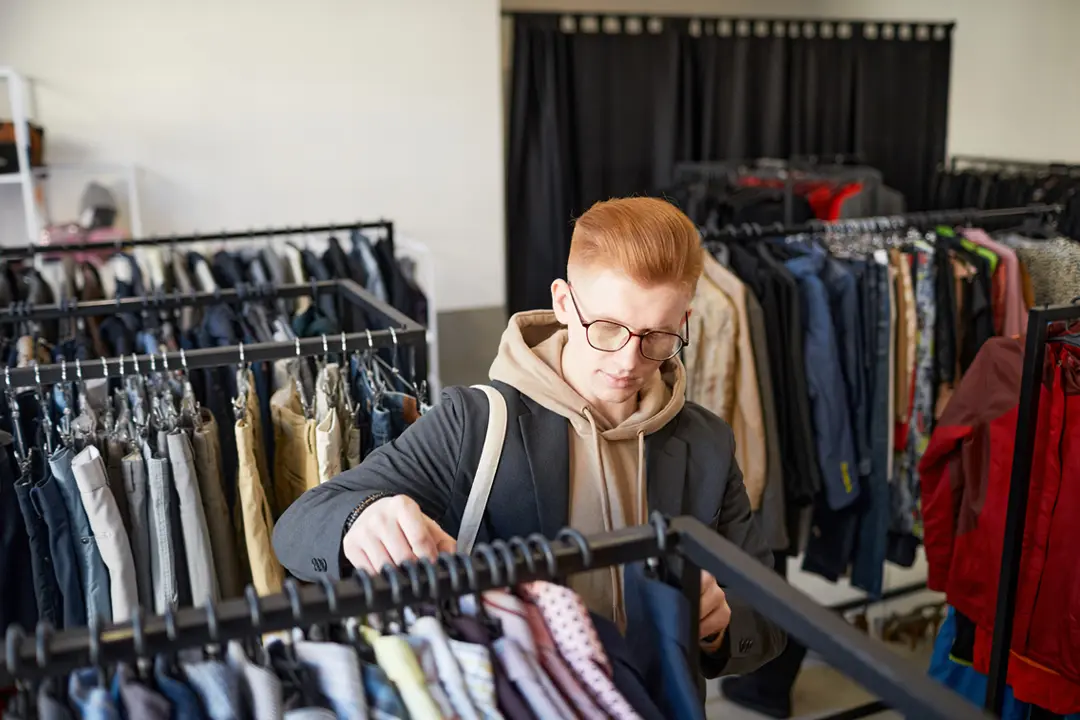
Thrifting 101: How to Score Luxury Items at Thrift Store Prices
Riley Dawson • 30 Jan 2026 • 220 views • 2 min read.Designer items appear in thrift stores more often than most people realize. Luxury brands get donated when wardrobes change or estates liquidate. The items sit on racks priced like everything else around them. Most shoppers walk past incredible finds daily. They don't recognize quality or know where to look. The same skills that help identify fakes also reveal genuine treasures. This guide teaches you to thrift like a professional reseller. We cover authentication basics, strategic shopping, and maximizing your finds. You'll spot luxury hiding among ordinary items confidently.
Thrifting 101: How to Score Luxury Items at Thrift Store Prices
Quick Summary:
- Location and timing dramatically affect thrift store finds
- Knowing brand markers helps spot authentic luxury quickly
- Patience and regular visits outperform occasional hunting
- Quality basics often provide better value than designer labels
Why Luxury Ends Up at Thrift Stores
Wealthy neighborhoods generate luxury donations regularly. Estate sales often route items to charity shops. Weight loss, lifestyle changes, and moving all prompt wardrobe purges.
Donation volume from affluent areas exceeds what most imagine. One closet cleanout might include multiple designer pieces. Thrift stores price based on appearance, not brand research typically.
Seasonal turnover brings predictable waves of donations. January sees post-holiday wardrobe purges. Spring and fall prompt seasonal clothing rotations. Moving season in summer generates household donations.
Store volunteers often lack brand knowledge entirely. A $500 cashmere sweater might price at $8. Authentic designer bags sometimes sit in accessory bins for $15. This knowledge gap creates opportunity.
Location Strategy Matters Most
Not all thrift stores offer equal opportunity. Store location predicts inventory quality dramatically. Strategic shopping focuses effort where odds improve.
Affluent neighborhood stores receive higher-quality donations naturally. Residents donate what they no longer want. Wealthy closets contain better items originally. Shop where wealthy people donate, not where they live.
Consignment overflow stores receive items that didn't sell at higher-end shops. These stores often affiliate with luxury consignment businesses. Quality remains high while prices drop significantly.
Estate sale specialists sometimes partner with thrift organizations. Watch for advertised estate donation days. Single-source donations often include coordinated quality items.
Hospital and charity auxiliaries attract donors seeking tax deductions. Wealthier donors choose organizations with efficient receipt processes. These stores often maintain higher standards.
Recognizing Authentic Luxury
Authentication skills separate successful thrifters from frustrated ones. Learning brand markers prevents both overpaying for fakes and missing genuine items.
Construction quality reveals true luxury regardless of labels. Even stitching, quality linings, and substantial hardware indicate craftsmanship. Fast fashion can't replicate construction standards economically.
Label details differ between authentic and counterfeit items. Font consistency, stitching quality, and placement all matter. Research specific brands you're interested in finding.
Materials distinguish luxury from imitation immediately. Real leather, cashmere, silk, and wool feel different than substitutes. Train your hands to recognize quality fabrics through practice.
Hardware weight separates genuine accessories from fakes. Authentic luxury uses substantial metal components. Cheap hardware indicates either fakes or lower-tier brands.
Best Thrift Store Finds by Category
| Category | Brands to Watch | Price Range (Thrift) | Retail Value | Authentication Tips |
|---|---|---|---|---|
| Cashmere Sweaters | Loro Piana, Brunello Cucinelli | $10-$40 | $500-$2,000+ | Two-ply weight, soft hand feel |
| Leather Bags | Coach, Dooney & Bourke, Kate Spade | $15-$50 | $200-$500 | Leather smell, solid hardware |
| Designer Bags | Louis Vuitton, Gucci, Prada | $50-$200 | $1,000-$3,000+ | Date codes, stitching, hardware |
| Silk Scarves | Hermès, Ferragamo | $10-$30 | $200-$500+ | Hand-rolled edges, vibrant print |
| Wool Coats | Max Mara, Burberry | $30-$80 | $500-$2,500+ | Weight, lining quality, buttons |
| Denim | AG, Citizens, 7 For All Mankind | $8-$20 | $150-$250 | Rivets, stitching, leather patch |
| Dress Shoes | Allen Edmonds, Ferragamo | $15-$40 | $300-$700+ | Leather soles, construction quality |
| Blazers | Brooks Brothers, Theory | $15-$35 | $300-$600+ | Full canvas, quality buttons |
Timing Your Thrift Store Visits
When you shop matters as much as where you shop. Strategic timing increases your chances of finding quality items.
Early weekday mornings offer freshly stocked inventory. Most stores process donations overnight or early morning. Arriving at opening provides first access to new items.
Post-weekend visits capture weekend donation processing. Many people donate during weekend errands. Tuesday and Wednesday often feature weekend donations stocked.
Sale days provide discounts but attract crowds. Color-tag sales discount specific items significantly. Arrive early on sale days for best selection.
End of month sometimes prompts additional discounts. Some stores rotate inventory monthly. Clearance pricing appears as rotation approaches.
Inspection Checklist Before Buying
Excitement over a brand name shouldn't override careful inspection. Thrift stores sell items as-is without returns typically. Check thoroughly before purchasing.
Examine for damage in good lighting carefully. Check seams, zippers, buttons, and hardware function. Look for stains, holes, moth damage, and wear patterns.
Smell the item for mustiness, smoke, or perfume saturation. Some odors never fully release. Dry cleaning helps but doesn't fix everything.
Check measurements rather than relying on size tags. Vintage sizing differs from modern standards. Designer sizing varies between brands significantly.
Test functionality of zippers, clasps, and buttons. Hardware replacement costs money and effort. Non-functional closures may indicate repair need.
Assess cleaning needs realistically before purchasing. Professional cleaning costs add to total investment. Calculate whether the final price remains worthwhile.
Frequently Asked Questions
How do I spot fake designer items?
Research specific brands you want to find. Each brand has authentication markers including fonts, stitching patterns, hardware styles, and label placement. Online guides and authentication communities provide detailed references.
Which stores have the best luxury finds?
Stores in wealthy suburbs and upscale urban neighborhoods consistently offer better finds. Research donation patterns in your area. Some charity organizations attract higher-quality donations than others.
How often should I visit thrift stores?
Serious thrifters visit favorite stores weekly or more. Inventory turns over constantly and unpredictably. Regular visits catch items that single visits miss. Build relationships with staff for restock information.
Is it worth buying damaged luxury items?
Sometimes. Minor repairs like missing buttons or small tears may be worthwhile. Major structural damage usually isn't cost-effective to fix. Calculate repair costs before purchasing damaged items.
Can I negotiate prices at thrift stores?
Policies vary by organization. Many accept reasonable offers especially on higher-priced items. Ask politely if there's flexibility. Bundling multiple items sometimes earns discounts.
What if I'm not sure an item is authentic?
Don't buy items you can't authenticate yourself. The thrift store won't guarantee authenticity. Research before shopping or bring reference materials. When uncertain, pass on the item.
Should I resell thrift store finds?
Many thrifters resell successfully on platforms like eBay and Poshmark. This can fund your own wardrobe upgrades. Research resale values before deciding what to keep versus sell.
The Bottom Line
Luxury thrifting rewards knowledge and persistence equally. Location strategy puts you where quality donations appear. Brand knowledge helps you recognize value others miss. Regular visits outperform occasional hunting trips consistently. Inventory changes daily and great finds disappear quickly. Building this habit produces results over time. Start by learning a few brands you genuinely want. Research authentication markers specifically. Practice identifying quality construction regardless of labels. The best thrifters find luxury regularly because they've invested in learning. Your first few months build skills that compound forever. The treasure hunting becomes addictive once you score your first major find.
Tags: Thrift Shopping, Luxury Thrifting, Secondhand Fashion, Budget Shopping