
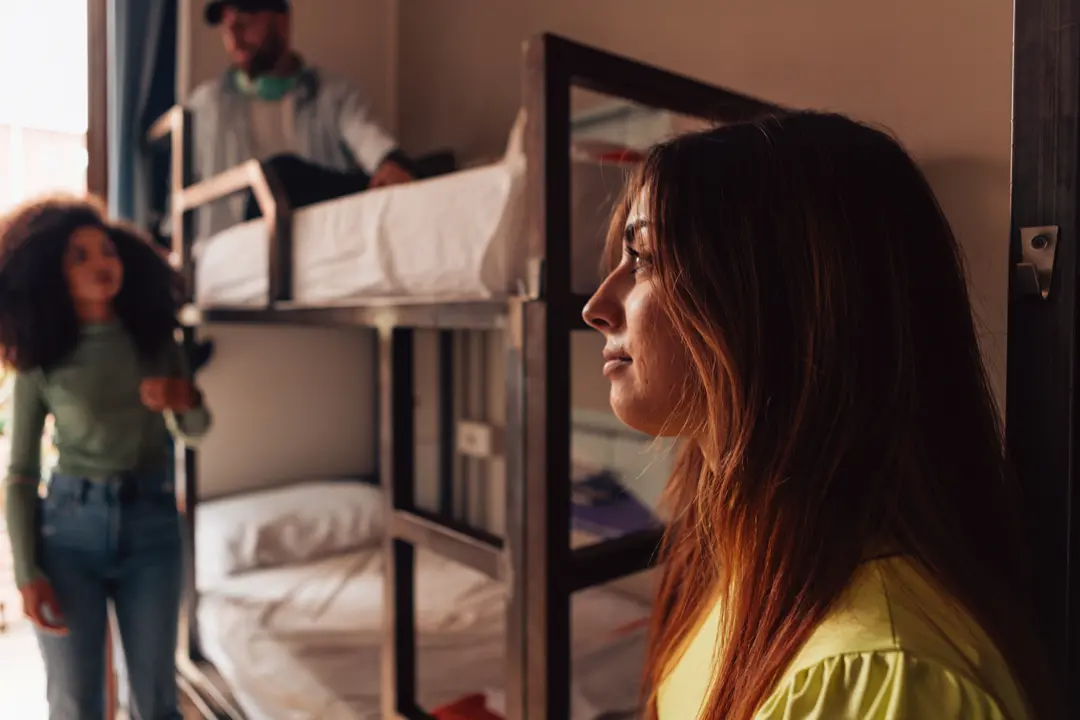
Dorm Life 101: Roommates, Privacy, and Making It Home
Lauren Mitchell • 31 Dec 2025 • 141 views • 3 min read.You're moving into a tiny room with a complete stranger, sharing 100 square feet, one bathroom down the hall, paper-thin walls, and zero privacy. Your roommate's sleep schedule conflicts with yours, their cleanliness standards differ dramatically, their friends constantly visit, and you can't escape because you live together. You're homesick, overwhelmed, frustrated by lack of personal space, and questioning whether you can survive a year in this situation. Dorm life is jarring transition—from private bedroom and family routines to communal living with someone whose habits may drive you crazy. Some roommate pairs become lifelong friends; others barely speak by semester's end. The difference isn't luck—it's communication, boundaries, compromise, and strategies for coexisting peacefully in cramped quarters. This guide teaches you how to navigate roommate relationships, establish boundaries, maintain privacy, resolve conflicts, and transform a tiny dorm room into a space that actually feels like home.
Before Move-In: Set Yourself Up for Success
Preparation prevents problems:
Pre-arrival communication:
Once you get roommate assignment:
✅ Reach out via social media/email
- Introduce yourself genuinely
- Share interests, major, hometown
- Don't judge too quickly based on profile
✅ Discuss practical logistics:
- Who's bringing what? (TV, mini-fridge, microwave—avoid duplicates)
- Preferred side of room? (if there's choice)
- Any serious sleep/study needs?
- Allergies or medical considerations?
✅ Share expectations generally:
- "I'm pretty social, is that okay?"
- "I need quiet for studying"
- "I'm a night owl/early bird"
Don't: Overwhelm them with 47 detailed questions or try to establish friendship immediately
What to bring (essentials):
Bedding:
- Twin XL sheets (confirm bed size)
- Comforter/duvet
- Pillows (2-3)
- Mattress pad (dorm mattresses are terrible)
Storage/organization:
- Under-bed storage bins
- Over-door hooks
- Desk organizer
- Shower caddy
Personal comfort:
- Photos, posters, small decorations
- String lights or lamp
- Noise-canceling headphones (ESSENTIAL)
- Eye mask and earplugs
- Small fan (dorms get hot)
Study essentials:
- Desk lamp
- Extension cords/power strips
- School supplies
Don't bring:
- Expensive jewelry or electronics (theft happens)
- Excessive clothing (limited space)
- Candles (fire hazard, usually banned)
- Illegal appliances (check rules)
First Week: The Roommate Agreement
Most conflicts stem from unspoken expectations—discuss upfront:
The conversation to have within first week:
Sit down together, discuss and write down agreements:
Sleep schedules:
- Typical bedtime and wake time?
- Okay with lights/noise after certain hour?
- How handle overnight guests?
Example agreement: "Lights out by midnight on weeknights, 2 AM weekends. Use desk lamps, not overhead. Headphones after 11 PM."
Cleanliness standards:
- How often clean shared space?
- Dishes protocol?
- Trash responsibility?
- Acceptable mess level?
Reality check: You'll have different standards. Compromise between you.
Example agreement: "Take turns taking out trash weekly. Dishes washed within 24 hours. Clean common areas every Sunday."
Guest policies:
- Friends visiting—how often okay?
- Overnight guests—permission needed?
- Romantic partners—boundaries?
- Roommate has veto power?
Example agreement: "Guests okay with heads-up. Overnight guests require 24-hour notice and okay from roommate. No guests during exams week."
Personal property:
- What's shareable? (Fridge? Snacks? Clothes?)
- What's off-limits?
- Ask before borrowing?
Example agreement: "Food in fridge shareable if labeled 'communal.' Everything else ask first. Never borrow clothes/electronics without asking."
Study needs:
- Quiet hours needed?
- Headphones when other is studying?
- Library vs. room studying?
Example agreement: "Respect quiet time when other is clearly studying. Headphones for music/videos. No loud calls during exams."
Write it down. Sign it. Reference it when conflicts arise.
Revisit monthly: "Is this still working? Need to adjust anything?"
Creating Privacy in Shared Space
Zero privacy is mentally exhausting—carve out what you can:
Physical privacy solutions:
Bed curtains/canopy:
- Creates personal "room within room"
- Blocks light and visual intrusion
- Psychological privacy even if not total
Room divider/curtain:
- Splits room visually
- Especially helpful with opposite schedules
Lofted bed:
- Creates private space underneath
- Study nook or chill area
Temporal privacy (time-based boundaries):
Establish "room to yourself" times:
Example rotation:
- Monday 7-9 PM: Your private time, roommate elsewhere
- Tuesday 7-9 PM: Roommate's private time, you elsewhere
- Adjust based on schedules
Use for:
- Phone calls home
- Emotional decompression
- Video chats with significant other
- Just being alone
Communicate: "I need the room tonight 7-9 for private call, can you study in library?"
Headphones are your best friend:
Invest in quality noise-canceling headphones:
- Creates audio privacy
- Blocks roommate noise
- Signals "don't disturb"
Use for:
- Studying when roommate is social
- Relaxing when roommate is active
- Phone/video calls
Find third spaces:
Can't always be in room—establish other spots:
Study spaces:
- Library (different sections for different needs)
- Coffee shops
- Academic buildings study lounges
- Outdoor benches (weather permitting)
Social spaces:
- Common room/lounge
- Friends' rooms
- Campus centers
Solo time:
- Walking routes
- Quiet outdoor spots
- 24-hour gym
Healthy to have life outside dorm room
Common Roommate Conflicts and Solutions
Predictable problems, manageable solutions:
Conflict 1: Different sleep schedules
Problem: You're early bird, they're night owl (or vice versa)
Solutions:
- Compromise on reasonable lights-out (midnight?)
- Sleep masks and earplugs
- Desk lamps instead of overhead lights
- Headphones for late-night activities
- Consider lofting bed (physical separation)
If extreme: Request room change second semester
Conflict 2: Cleanliness differences
Problem: You're neat, they're messy (or vice versa)
Solutions:
- Define shared space vs. personal space clearly
- "Your side can be messy, shared space must be clean"
- Schedule weekly 15-minute clean together
- Divide chores explicitly
- Use bins/organizers to contain their mess
If unbearable: Mediation through RA
Conflict 3: Guests overstaying
Problem: Their friends constantly hanging out, you feel like outsider in own room
Solutions:
- Revisit guest policy
- Set specific limits: "Guests okay, but I need room to myself [days/times]"
- Suggest they hang in common areas instead
- Be direct: "I need some alone time tonight"
Don't: Passively resent. Speak up.
Conflict 4: Noise levels
Problem: They're loud, you need quiet (or vice versa)
Solutions:
- Establish quiet hours
- Headphones during other's study/sleep time
- Communicate needs: "I have exam, need quiet tonight"
- White noise machines
- Study in library when they're socializing
Conflict 5: Borrowing without asking
Problem: They use your stuff without permission
Solutions:
- Direct conversation: "I need you to ask before borrowing"
- Lock up valuables if necessary
- Clear labeling of personal items
- Establish borrowing protocol explicitly
If continues: RA involvement
Conflict 6: Romantic partners constantly over
Problem: Roommate's partner practically lives there
Solutions:
- Revisit guest agreement
- Set limits: "Overnight guests max 2 nights/week"
- Request they alternate between rooms
- Establish veto nights ("I need room tonight")
If unreasonable: RA mediation, potential room change
How to Have Difficult Conversations
Conflict is inevitable. Handle it well:
The approach:
1. Address issues early:
- Small annoyance now = huge resentment later
- "Hey, can we talk about [issue]?"
2. Use "I" statements: ❌ "You're so messy and inconsiderate" ✅ "I feel stressed when the room is cluttered because I need clean space to focus"
3. Be specific: ❌ "You're always loud" ✅ "When you talk on the phone after midnight, I have trouble sleeping"
4. Propose solutions:
- Don't just complain, suggest compromise
- "Could you take late calls in lounge?"
- "Can we set quiet hours after 11 PM?"
5. Listen to their perspective:
- They may not realize issue
- There may be compromise you hadn't considered
- Seek win-win
6. Follow up:
- "Thanks for being willing to work on this"
- Check in week later: "Is this working better?"
When to involve RA:
Escalate if:
- Direct conversation failed
- Safety concerns (drugs, weapons, dangerous behavior)
- Harassment or discrimination
- Roommate refuses to communicate
- Need mediation
- Considering room change
RAs are trained for this—use them
Making Your Dorm Feel Like Home
Small touches transform sterile room into personal space:
Visual personalization:
✅ Photos: Family, friends, pets, memories ✅ Posters/tapestries: Reflect your interests ✅ String lights: Warm, cozy lighting ✅ Plants: If allowed, add life (succulents easy) ✅ Rug: Softens cold dorm floors ✅ Throw pillows/blankets: Comfort and color
Don't overdo it—room is small. Curate carefully.
Scent:
- Candles often banned, but wax warmers/diffusers usually okay
- Reed diffusers
- Fabric spray (Febreze)
- Make room smell pleasant = feel like home
Routine and ritual:
Establish personal routines:
- Morning coffee/tea ritual
- Evening wind-down routine
- Weekend cleaning ritual
- Study playlist or ambient sounds
Routines create sense of stability
Stock comfort items:
- Favorite snacks
- Comfort foods
- Tea/hot chocolate
- Cozy blankets
- Entertainment (books, games, movies)
When homesick: These small comforts help
Dorm Life Social Strategies
Dorm isn't just your room—it's community:
Building dorm friendships:
Keep door open when you're around:
- Signals approachability
- Facilitates casual conversations
- Meet neighbors organically
Attend dorm events:
- Hall meetings
- Game nights
- Study breaks
- Pizza parties
Common area hanging:
- Study in lounge occasionally
- Watch TV in common room
- Cook in shared kitchen
Say yes initially:
- First weeks, accept invitations
- Can become more selective later
- Early connections matter
Finding your people:
Not everyone on your floor will be your people—that's okay
Branch out:
- Clubs and organizations
- Classes
- Jobs
- Sports/activities
Dorm provides convenience friends. Real friends come from shared interests.
When Dorm Life Isn't Working
Sometimes it genuinely doesn't work:
Room change considerations:
Valid reasons:
- Irreconcilable differences despite effort
- Safety concerns
- Harassment or discrimination
- Incompatible schedules impacting academics
- Mental health suffering
Process:
- Document issues
- Attempt mediation with RA first
- Formal room change request
- Usually requires both parties' agreement or serious issue
Timing:
- Often can't change first semester
- Second semester more flexibility
Off-campus alternatives:
Sophomore year and beyond:
- Apartments (more privacy, independence)
- Houses with friends
- Greek housing
- Theme houses
Dorm life temporary—usually just freshman year
The Silver Lining
Dorm life teaches valuable skills:
✅ Compromise and communication ✅ Living with different people ✅ Sharing space respectfully ✅ Conflict resolution ✅ Independence and self-sufficiency
These skills serve you in future roommate situations, relationships, and professional life
Plus: Many people look back on dorm life fondly—the convenience, built-in social scene, and unique experience
Successful dorm living requires proactive communication: create roommate agreements covering sleep, cleanliness, guests, and property within first week. Establish privacy through bed curtains, temporal boundaries, noise-canceling headphones, and third spaces. Address conflicts early using "I" statements and specific solutions—involve RAs when direct conversation fails. Personalize space with photos, lighting, plants, and comfort items. Build community through open doors, dorm events, and common areas, while finding deeper friendships through shared interests. Room changes possible for serious incompatibility. Dorm life teaches compromise, communication, and conflict resolution—valuable lifelong skills despite temporary discomfort.