
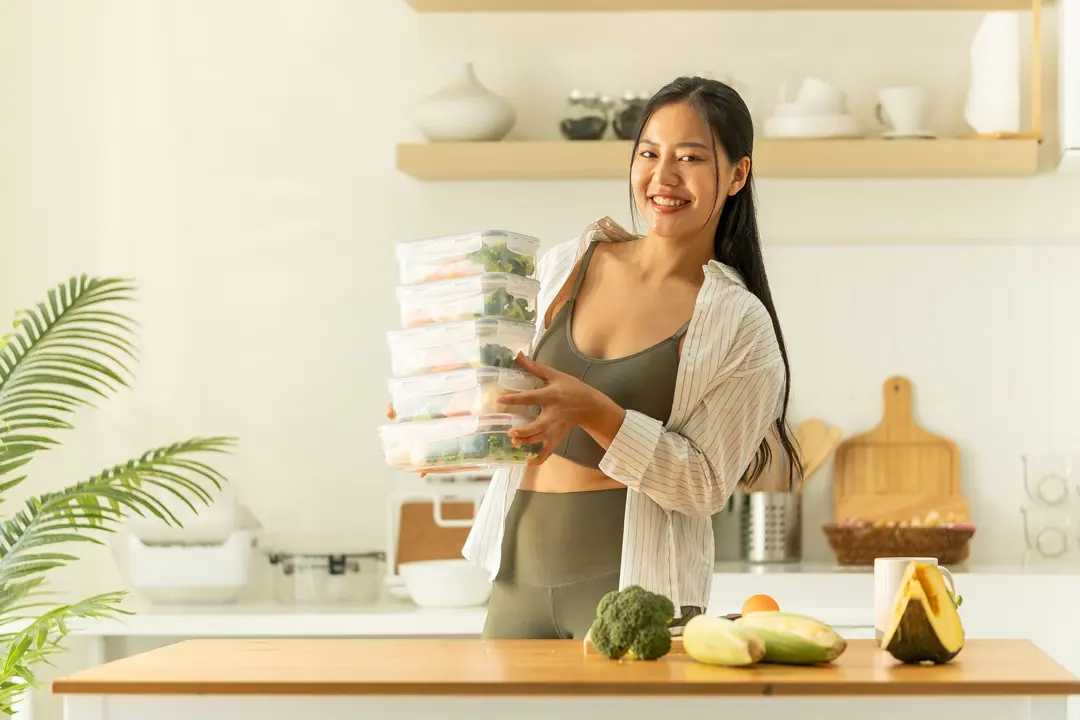
Meal Prep for Beginners: Save Time and Eat Healthier
Camille Cooper • 28 Dec 2025 • 261 views • 3 min read.It's 7 PM on a Tuesday. You're exhausted from work, starving, and staring into an empty fridge. You know you should cook something healthy, but the thought of chopping vegetables and washing dishes feels impossible. So you order takeout—again. Fast forward to Sunday night: you've spent $150 on restaurant food this week, eaten nothing nutritious, and feel guilty about both your budget and your body. This cycle is exhausting, expensive, and entirely avoidable. Meal prep—preparing multiple meals in advance during a dedicated block of time—solves all these problems simultaneously. It saves money, ensures healthier eating, reduces daily stress, and actually gives you more free time during the week. But where do you start? How much do you prep? What containers do you need? What if you hate eating the same thing repeatedly? This beginner-friendly guide walks you through meal prep step-by-step, from planning your first week to building sustainable habits that transform how you eat—without requiring culinary expertise or hours of daily cooking.
Why Meal Prep Changes Everything
The Benefits (Actual, Not Exaggerated)
Time savings:
- 1-3 hours on prep day = 5-10 hours saved during the week
- No daily "what's for dinner?" stress
- No last-minute grocery runs
- Minimal weeknight cooking and cleanup
Financial impact:
- Homemade meals: $3-5 per serving
- Restaurant/takeout: $12-20 per serving
- Potential savings: $200-400+ monthly for one person
Health improvements:
- Control ingredients, portions, nutrition
- Avoid impulse unhealthy choices when hungry
- Consistent, balanced meals
- Reduced reliance on processed foods
Mental benefits:
- One less daily decision (decision fatigue is real)
- Reduced food-related stress and guilt
- Sense of accomplishment and control
- More evening time for activities you actually enjoy
Common objections addressed:
"I don't want to eat the same thing all week" Solution: Prep components, not complete meals (more on this later)
"I don't have time" Reality: 2 hours once saves 10+ hours weekly
"I can't cook" Truth: Meal prep requires basic skills only—no chef training needed
Step 1: Start Extremely Simple (The Beginner's Approach)
Don't try to prep every meal immediately. That's overwhelming and leads to quitting.
Week 1 goal: Prep just lunches for 5 days
That's it. One meal type, manageable scope, builds confidence.
The Simplest First Meal Prep Formula:
Protein + Grain + Vegetable = Complete Meal
Example Week 1:
- Protein: Baked chicken breast
- Grain: Brown rice
- Vegetable: Roasted broccoli
That's 3 components, 5 meals, done.
Step 2: Essential Equipment (Start Minimal)
You don't need specialty equipment to begin.
Absolute essentials:
Containers:
- Glass or BPA-free plastic meal prep containers
- 5-10 containers with compartments (for separated components)
- Start with 5-count packs ($15-25)
Basic cooking tools:
- Large pot (for grains, pasta)
- Large pan or skillet
- Baking sheet
- Sharp knife
- Cutting board
Helpful but not required:
- Slow cooker or Instant Pot (set-it-and-forget-it proteins)
- Rice cooker (perfect rice, hands-free)
- Food scale (for portion control)
- Good storage bags (for freezing)
Don't buy expensive equipment before establishing the habit.
Step 3: Planning Your First Meal Prep
Sunday Planning Session (15-20 minutes)
Choose your meals:
For beginners, pick:
- 1-2 proteins (chicken, ground turkey, tofu, eggs)
- 2-3 vegetables (broccoli, bell peppers, sweet potato, green beans)
- 1-2 grains/carbs (rice, quinoa, pasta, potatoes)
Write shopping list:
List exact quantities:
- 2 lbs chicken breast
- 2 cups uncooked rice
- 1 lb broccoli
- Seasoning/oil
Beginner-Friendly Meal Combinations:
Option 1: Chicken and Rice Bowls
- Grilled chicken breast
- Brown rice
- Roasted vegetables (broccoli, carrots, bell peppers)
- Optional: Sauce on the side
Option 2: Ground Turkey Taco Bowls
- Seasoned ground turkey
- Black beans
- Brown rice
- Salsa, cheese, lettuce (add fresh daily)
Option 3: Egg-Based Breakfast
- Egg muffins (eggs + vegetables + cheese baked in muffin tin)
- Roasted potatoes
- Fresh fruit
Option 4: Sheet Pan Meals
- Chicken thighs
- Sweet potatoes
- Brussels sprouts
- Everything roasted together on one pan
Step 4: The Actual Prep Session (Your First Time)
Set aside 2-3 hours initially (gets faster with practice)
The Order That Works:
Step 1: Start anything slow-cooking first (30 min)
- Put rice in rice cooker
- Start Instant Pot protein
- Preheat oven for roasting
Step 2: Prep vegetables (20 min)
- Wash, chop, season
- Arrange on baking sheets
Step 3: Cook proteins (30-45 min)
- Bake chicken
- Cook ground meat on stovetop
- Boil eggs
Step 4: Roast vegetables (25-35 min)
- While proteins cook
Step 5: Cool everything (15-20 min)
- Must cool before containers (prevents soggy food)
Step 6: Portion and store (20 min)
- Divide into containers
- Label with dates
- Refrigerate or freeze
Timeline example:
0:00 - Start rice, preheat oven, season chicken 0:15 - Chicken in oven, prep vegetables 0:30 - Vegetables in oven 1:00 - Everything cooking (clean as you go) 1:15 - Start portioning cooled items 1:45 - All containers filled and stored
Step 5: Storage Guidelines (Keep Food Safe and Fresh)
Refrigerator storage:
Safe duration:
- Cooked chicken/meat: 3-4 days
- Cooked vegetables: 4-5 days
- Cooked grains: 4-5 days
- Egg-based dishes: 3-4 days
Storage tips:
- Store sauces/dressings separately (prevents soggy food)
- Keep proteins and vegetables in separate compartments
- Label containers with prep date
- Store in fridge immediately after cooling
Freezer storage:
Freeze for 2-3 months:
- Cooked proteins (chicken, meatballs, ground meat)
- Soups and stews
- Cooked grains
- Casseroles
Don't freeze well:
- Lettuce and raw vegetables
- Cooked pasta (gets mushy)
- Dairy-heavy dishes
- Fried foods
Freezing strategy:
- Prep 10 meals, eat 5 fresh, freeze 5
- Rotate frozen meals into weekly plan
- Label freezer bags with contents and date
Step 6: Keeping It Interesting (Avoiding Meal Prep Burnout)
Strategy 1: Component Prep (Not Full Meals)
Instead of 5 identical meals, prep components to mix and match.
Example:
- Proteins: Grilled chicken, hard-boiled eggs, baked tofu
- Carbs: Rice, quinoa, sweet potatoes
- Vegetables: Roasted broccoli, sautéed peppers, raw carrots
- Sauces: Teriyaki, pesto, tahini dressing
Daily assembly: Choose different combinations each day
Strategy 2: Theme Days
- Monday: Mexican (taco bowls)
- Tuesday: Asian (teriyaki chicken and rice)
- Wednesday: Italian (pasta and meatballs)
- Thursday: Breakfast (egg muffins)
- Friday: Leftovers or eat out
Strategy 3: The Half-Prep Method
Prep some components, cook others fresh.
Prep:
- Chopped vegetables
- Cooked proteins
- Cooked grains
Cook fresh:
- Sauté prepped vegetables (5 min)
- Reheat components (5 min)
- Assemble (2 min)
Total cooking: 12 minutes vs. 45+ minutes from scratch
Strategy 4: Seasoning Variety
Same base ingredients, different flavors.
Chicken example:
- Meal 1: Italian seasoning, served with marinara
- Meal 2: Curry powder, served with yogurt sauce
- Meal 3: Taco seasoning, served with salsa
Strategy 5: Fresh Element Addition
Add something fresh daily to prepped meals:
- Fresh herbs
- Avocado
- Cheese
- Nuts/seeds
- Fresh greens
Beginner-Friendly Recipes (Actually Simple)
1. Basic Baked Chicken Breast
Ingredients:
- 2 lbs chicken breast
- 2 tbsp olive oil
- Salt, pepper, garlic powder
Instructions:
- Preheat oven to 425°F
- Season chicken with oil and spices
- Bake 20-25 minutes until internal temp 165°F
- Rest 5 minutes, slice
2. Perfect Rice (Stovetop)
Ingredients:
- 2 cups rice
- 4 cups water or broth
- Pinch salt
Instructions:
- Bring water to boil
- Add rice and salt
- Reduce heat, cover, simmer 18 minutes
- Remove from heat, let sit 5 minutes
- Fluff with fork
3. Roasted Vegetables
Ingredients:
- 2 lbs vegetables (broccoli, bell peppers, carrots, etc.)
- 2 tbsp olive oil
- Salt, pepper, garlic powder
Instructions:
- Preheat oven to 425°F
- Toss vegetables with oil and seasonings
- Spread on baking sheet (don't overcrowd)
- Roast 20-25 minutes, stirring halfway
4. Egg Muffins (Breakfast Prep)
Ingredients:
- 12 eggs
- 1 cup chopped vegetables (peppers, spinach, onions)
- 1 cup shredded cheese
- Salt, pepper
Instructions:
- Preheat oven to 350°F
- Whisk eggs, add vegetables and cheese
- Pour into greased muffin tin
- Bake 20-25 minutes
- Cool, store in fridge (reheat 30 seconds)
5. Ground Turkey Taco Meat
Ingredients:
- 2 lbs ground turkey
- 2 tbsp taco seasoning
- 1/2 cup water
Instructions:
- Brown turkey in large pan over medium heat
- Drain excess fat
- Add seasoning and water
- Simmer 5 minutes until thickened
Common Meal Prep Mistakes (And How to Avoid Them)
Mistake 1: Overcomplicating First Attempts
Problem: Trying gourmet recipes, too many dishes Solution: Keep it stupidly simple—3 components, basic seasonings
Mistake 2: Not Cooling Food Before Storing
Problem: Hot food in closed containers = condensation = soggy, spoiled food Solution: Let food cool 15-20 minutes before sealing containers
Mistake 3: Prepping Food You Don't Actually Like
Problem: Meal prepping "healthy" quinoa salads you hate = wasted food Solution: Prep foods you genuinely enjoy eating
Mistake 4: All or Nothing Mentality
Problem: Missing one week = feeling like failure = quitting Solution: Some prep is better than no prep; don't demand perfection
Mistake 5: Ignoring Food Safety
Problem: Eating 7-day-old chicken Solution: Follow 3-4 day refrigerator guidelines; freeze extras
Mistake 6: Not Investing in Decent Containers
Problem: Leaking, warping, non-microwave-safe containers Solution: Buy quality containers upfront (glass preferred)
Mistake 7: Prepping Without a Plan
Problem: Random cooking leading to mismatched ingredients Solution: Always plan meals before shopping and prepping
Building the Meal Prep Habit
Week-by-Week Progression:
Week 1: Prep just lunches (5 meals) Week 2: Continue lunches, add 3 breakfasts Week 3: Continue above, add 3 dinners Week 4: Full week of lunches + breakfasts + most dinners
By Week 4, you're prepping 15+ meals weekly
Making It Sustainable:
Choose your prep day: Sunday works for most, but Saturday or even Wednesday is fine
Set a recurring calendar event: "Meal Prep: 2-4 PM every Sunday"
Involve others: Prep with partner, roommate, or friend (social + faster)
Batch prep every other week: Freeze half, eat fresh over two weeks
Give yourself permission to skip occasionally: Life happens; one missed week isn't failure
Celebrate small wins: Each successful prep week deserves recognition
Budget-Friendly Meal Prep Tips
Shop sales and bulk:
- Buy proteins on sale, freeze extras
- Bulk grains and beans (much cheaper)
- Frozen vegetables (cheaper, no waste, equally nutritious)
Cheaper protein options:
- Chicken thighs (cheaper than breast, more flavor)
- Canned tuna or salmon
- Eggs (cheapest protein per serving)
- Dried beans (pennies per serving)
- Ground turkey
Reduce waste:
- Use entire vegetables (broccoli stems, beet greens)
- Freeze scraps for stock
- Repurpose leftovers creatively
Cost comparison:
Meal prep lunch: $3-4 per serving Restaurant lunch: $12-15 Weekly savings: $45-55 Monthly savings: $180-220 Annual savings: $2,160-2,640
Meal prep pays for itself immediately.
Meal prep isn't about becoming a professional chef or eating identical meals robotically—it's about reclaiming your time, health, and money through simple planning and batch cooking. Start with just lunches for one week using basic proteins, grains, and vegetables. Invest in decent containers, follow food safety guidelines, and don't demand perfection. As the habit builds, expand to more meals and experiment with variety. The 2-3 hours you spend prepping saves 10+ hours weekly while ensuring you eat healthier and spend less. Your future self—less stressed, better nourished, and with more free time—will thank you.