
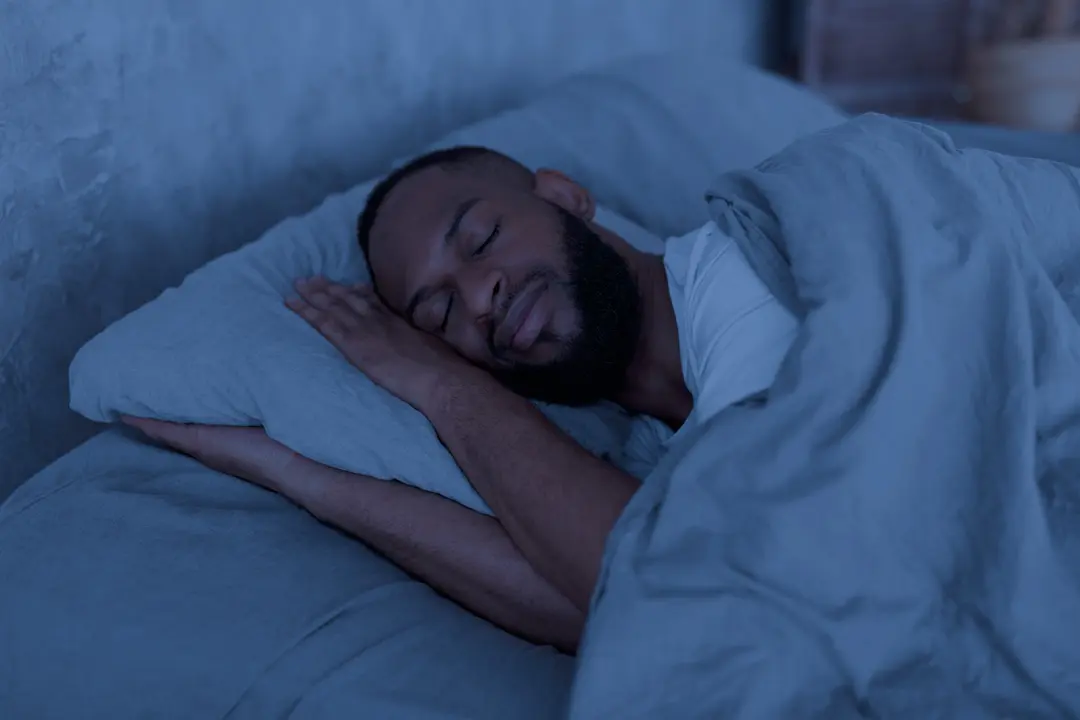
Sleep Hygiene 101: Science-Backed Tips for Better Rest
Camille Cooper • 03 Jan 2026 • 137 views • 3 min read.You lie in bed staring at the ceiling at 2 AM. Again. You're exhausted but your mind races. You finally fall asleep at 4 AM, alarm screams at 6:30 AM. You drag yourself through the day on coffee, crash on the couch at 6 PM, then can't sleep at night. Repeat. You've tried melatonin, white noise, counting sheep—nothing works consistently. Meanwhile, your productivity tanks, mood deteriorates, health suffers, and you're told "just relax and sleep" by people who've never experienced chronic insomnia. The truth: sleep isn't about willpower—it's about biology. Understanding your circadian rhythm, optimizing your sleep environment (temperature, light, sound), establishing consistent routines, managing daytime behaviors that sabotage nighttime sleep, and addressing underlying issues transforms sleep from nightly struggle to natural process. This guide provides science-backed sleep hygiene strategies that actually work—no pseudoscience, just proven techniques for better rest.
Why Sleep Matters (Beyond "You'll Be Tired")
The stakes are higher than you think:
What happens during sleep:
Physical restoration:
- Muscle repair and growth
- Tissue regeneration
- Immune system strengthening
- Hormone regulation (growth hormone, cortisol, leptin, ghrelin)
Brain maintenance:
- Memory consolidation (learning becomes permanent)
- Toxin removal (glymphatic system clears brain waste)
- Emotional regulation
- Neural pathway strengthening
Metabolic functions:
- Blood sugar regulation
- Appetite hormone balance
- Cellular repair
Consequences of chronic sleep deprivation:
Short-term (1-2 nights poor sleep):
- Impaired cognition (equivalent to 0.1% BAC after 17 hours awake)
- Mood disturbances (irritability, anxiety)
- Decreased reaction time (dangerous driving)
- Weakened immune response
Long-term (chronic insufficient sleep):
- Obesity: Disrupted hunger hormones (leptin ↓, ghrelin ↑)
- Type 2 Diabetes: Insulin resistance increases
- Heart disease: Hypertension, inflammation
- Mental health: Depression, anxiety disorders
- Alzheimer's: Poor sleep linked to beta-amyloid buildup
- Shortened lifespan: Sleeping <6 hours = 12% higher mortality risk
Sleep isn't optional—it's biological necessity
Understanding Sleep Cycles
How sleep actually works:
The four stages:
Stage 1 (Light Sleep): 5-10 minutes
- Transition from wake to sleep
- Easy to wake
- Muscle relaxation begins
Stage 2 (Light Sleep): 10-25 minutes
- Heart rate slows, body temperature drops
- Prepares for deep sleep
- 50% of total sleep time
Stage 3 (Deep Sleep/Slow-Wave Sleep): 20-40 minutes
- Hardest to wake from
- Physical restoration occurs
- Growth hormone released
- Immune system strengthened
- Most restorative stage
REM (Rapid Eye Movement): 10-60 minutes
- Dreaming occurs
- Brain highly active
- Memory consolidation
- Emotional processing
- Muscle paralysis (except eyes, diaphragm)
Sleep cycles throughout the night:
Typical night (7-8 hours):
- 4-6 complete cycles (each ~90 minutes)
- Early night: More deep sleep (Stage 3)
- Late night: More REM sleep
Why waking mid-cycle feels terrible:
- Woken during deep sleep = groggy, disoriented ("sleep inertia")
- Woken during light sleep or between cycles = refreshed
Ideal wake time: End of cycle (use sleep calculators)
The Foundation: Circadian Rhythm
Your internal 24-hour clock:
What is circadian rhythm?
Biological process regulating:
- Sleep-wake cycle
- Hormone release (cortisol, melatonin)
- Body temperature
- Metabolism
Controlled by:
- Suprachiasmatic nucleus (SCN) in brain
- Light exposure (primary signal)
- Eating patterns (secondary signal)
- Exercise timing
How light affects sleep:
Morning sunlight:
- Signals "wake up" to brain
- Suppresses melatonin production
- Sets circadian clock
- Critical for good sleep 14-16 hours later
Evening light (especially blue light):
- Tricks brain into thinking it's daytime
- Suppresses melatonin release
- Delays sleep onset
Melatonin:
- "Sleep hormone" released 2 hours before natural bedtime
- Peaks at night, lowest during day
- Production triggered by darkness, suppressed by light
Science-Backed Sleep Hygiene Strategies
Practical, proven techniques:
1. Optimize Light Exposure ⭐⭐⭐⭐⭐
Morning (within 30-60 min of waking): ✅ Get 10-30 minutes of outdoor sunlight
- Even cloudy days (10,000 lux outdoors vs. 100 lux indoors)
- No sunglasses (light needs to reach eyes)
- Through window doesn't count (glass blocks key wavelengths)
Why it works: Sets circadian clock, improves sleep 14-16 hours later
If no outdoor access:
- Light therapy box (10,000 lux, $30-100)
Evening (2-3 hours before bed): ✅ Dim lights gradually
- Lower overhead lights, use lamps
- Warm-toned bulbs (amber, red)
✅ Block blue light:
- Blue light blocking glasses ($15-30)
- Screen filters (f.lux for computers, Night Shift on iPhone)
- Better: Stop screens 1-2 hours before bed
✅ Blackout sleeping environment:
- Blackout curtains
- Eye mask
- Eliminate LED lights (cover with tape)
Goal: Darkness signals melatonin production
2. Temperature Optimization ⭐⭐⭐⭐⭐
Ideal bedroom temperature: 60-67°F (15.5-19.5°C)
Why:
- Core body temperature must drop to fall asleep
- Cool room facilitates this drop
- Too hot = poor sleep quality, frequent waking
Tactics: ✅ Lower thermostat (even if you need blankets) ✅ Use fan (cooling + white noise) ✅ Cooling mattress pad (Ooler, ChiliPad—expensive but effective) ✅ Sleep naked or minimal clothing ✅ Hot shower/bath 90 min before bed (paradoxically helps—temp drop after shower signals sleep)
Feet out of blanket: Helps thermoregulation (weird but works)
3. Consistent Sleep Schedule ⭐⭐⭐⭐⭐
Go to bed and wake up at same time every day (yes, weekends too)
Why it works:
- Trains circadian rhythm
- Consistent melatonin release timing
- Body anticipates sleep
What happens with inconsistent schedule:
- "Social jet lag" (sleeping in on weekends = flying to different time zone)
- Harder to fall asleep Sunday night
- Grogginess Monday morning
How to implement:
- Choose sustainable bedtime (not aspirational)
- If you need 8 hours and wake at 6:30 AM → Bed by 10:30 PM
- Set bedtime alarm (reminder 30 min before)
- Stick to it for 2-3 weeks (becomes natural)
Exception: If you can't fall asleep after 20 min, get up and do calm activity (read in dim light) until drowsy. Don't lie awake stressing.
4. Create Sleep-Conducive Environment ⭐⭐⭐⭐
Your bedroom = sleep only (+ sex)
Not for: ❌ Work (laptop in bed) ❌ Watching TV ❌ Scrolling phone ❌ Eating
Why: Brain associates bed with wakefulness if you do wake activities there
Optimize bedroom:
Darkness:
- Blackout curtains or eye mask
- Remove/cover electronics with lights
Quietness:
- White noise machine or fan (masks disruptive sounds)
- Earplugs (if needed)
- Double-pane windows (if street noise)
Comfort:
- Quality mattress (replace every 7-10 years)
- Supportive pillow (depends on sleep position)
- Breathable sheets (cotton, linen, bamboo)
Cleanliness:
- Clean sheets weekly
- Vacuum regularly (dust mites worsen allergies/sleep)
- Declutter (calm environment = calm mind)
5. Caffeine and Alcohol Management ⭐⭐⭐⭐⭐
Caffeine:
Half-life: 5-6 hours
- Coffee at 4 PM = 50% still in system at 10 PM
- Quarter-life: 10-12 hours (25% at 2 AM!)
Recommendation:
- Cut off caffeine by 2 PM (earlier if sensitive)
- "But I can sleep fine after coffee!" → You fall asleep, but sleep quality suffers (less deep sleep)
Alcohol:
The myth: "Alcohol helps me fall asleep"
The reality:
- Falls asleep faster (sedation, not natural sleep)
- Sleep quality terrible (fragments sleep, blocks REM)
- Wakes up 3-4 hours later (metabolism clears alcohol)
Recommendation:
- Avoid alcohol 3-4 hours before bed
- Causes dehydration (more waking)
- Worsens sleep apnea/snoring
6. Pre-Sleep Routine ⭐⭐⭐⭐
30-60 minute wind-down ritual signals brain "sleep time"
Effective activities: ✅ Reading (physical book, not phone/tablet) ✅ Meditation/Deep breathing (calms nervous system) ✅ Gentle stretching/Yoga ✅ Journaling (brain dump worries) ✅ Warm bath/shower (90 min before bed) ✅ Listening to calm music/podcast
Avoid: ❌ Screens (blue light, stimulating content) ❌ Work emails (stress-inducing) ❌ Intense exercise (raises core temp, energizes) ❌ Heavy meals (digestion disrupts sleep) ❌ Arguments/stressful conversations
Consistency matters: Same routine nightly = Pavlovian sleep trigger
7. Daytime Behaviors That Affect Nighttime Sleep ⭐⭐⭐⭐
Exercise: ✅ Regular exercise improves sleep (30 min, 5x/week) ✅ Best timing: Morning or afternoon ❌ Avoid: Intense exercise 3 hours before bed (some people tolerate, most don't)
Napping: ✅ Power nap: 10-20 minutes (refreshing, doesn't disrupt night) ❌ Long nap: 60+ minutes (sleep inertia, harder to sleep at night) ❌ Late nap: After 3 PM (interferes with bedtime)
Eating: ✅ Last big meal: 3 hours before bed ✅ Light snack okay: If genuinely hungry (hunger disrupts sleep too) ❌ Avoid: Spicy, fatty, acidic foods (heartburn, discomfort)
Hydration: ✅ Hydrate during day ❌ Limit fluids 2 hours before bed (reduces nighttime bathroom trips)
8. Manage Stress and Racing Thoughts ⭐⭐⭐⭐⭐
The 3 AM brain activation:
Why it happens:
- Cortisol spikes (stress hormone)
- Unresolved worries resurface
- No daytime distractions to suppress them
Solutions:
Worry journal (before bed):
- Write down everything on mind
- Create to-do list for tomorrow
- "Brain dump" clears mental RAM
Cognitive strategies:
- If worried about something: "I'll handle this tomorrow. Right now is sleep time."
- Can't control it tonight? Let it go temporarily.
- Worry appointment: "I'll worry about this from 2-2:30 PM tomorrow" (sounds silly, works)
Breathing exercises:
- 4-7-8 technique: Inhale 4 counts, hold 7, exhale 8 (repeat 4x)
- Box breathing: Inhale 4, hold 4, exhale 4, hold 4
- Activates parasympathetic nervous system (rest mode)
Meditation apps:
- Headspace, Calm, Insight Timer (sleep-specific meditations)
When to See a Doctor
Red flags requiring professional help:
Sleep disorders beyond hygiene:
Sleep Apnea:
- Loud snoring, gasping for air during sleep
- Daytime fatigue despite "sleeping"
- Serious: Linked to heart disease, stroke
- Treatment: CPAP machine, lifestyle changes
Insomnia (clinical):
- Difficulty falling/staying asleep 3+ nights/week for 3+ months
- Despite good sleep hygiene
- Treatment: CBT-I (cognitive behavioral therapy for insomnia), sometimes medication
Restless Leg Syndrome:
- Uncontrollable urge to move legs (especially at night)
- Treatment: Iron supplementation, medication
Circadian Rhythm Disorders:
- Delayed Sleep Phase (night owl, can't fall asleep before 2-3 AM)
- Advanced Sleep Phase (early bird, falls asleep 7-8 PM, wakes 3-4 AM)
- Treatment: Light therapy, melatonin timing, chronotherapy
If sleep issues persist despite 4-6 weeks of good hygiene: See sleep specialist
Sleep Supplements: What Actually Works
Evidence-based only:
Supplements with research support:
Melatonin:
- Dose: 0.5-3 mg (less is more!)
- Timing: 30-60 min before bed
- Best for: Jet lag, shift work, delayed sleep phase
- Not for: Chronic use as sleep aid (tolerance develops)
Magnesium:
- Dose: 200-400 mg (magnesium glycinate best absorbed)
- Timing: Evening
- Helps: Muscle relaxation, anxiety reduction
- Benefit: Modest but safe
L-Theanine:
- Dose: 200-400 mg
- Found in: Green tea (without caffeine)
- Helps: Relaxation without sedation
Glycine:
- Dose: 3 grams before bed
- Helps: Lowers core body temperature, improves sleep quality
Supplements with weak/no evidence: ❌ Valerian root (mixed results) ❌ CBD (insufficient research, quality control issues) ❌ 5-HTP (potential side effects)
Always check with doctor before supplements (especially with medications)
30-Day Sleep Transformation Plan
Implement gradually:
Week 1: Light and Temperature
- Get morning sunlight daily (10-30 min)
- Dim lights 2 hours before bed
- Lower bedroom temp to 65°F
Week 2: Consistency
- Choose bedtime and wake time
- Stick to schedule every day (yes, weekends)
- Set bedtime reminder alarm
Week 3: Environment and Routine
- Blackout curtains or eye mask
- 30-min pre-sleep routine (reading, stretching)
- Remove TV/laptop from bedroom
Week 4: Fine-Tuning
- Cut caffeine by 2 PM
- Limit alcohol
- Track sleep (app or journal)
- Adjust what's not working
Give each change 1 week—sleep improvements aren't instant
Improve sleep through circadian rhythm optimization: get 10-30 minutes outdoor morning sunlight within 60 minutes of waking (sets 24-hour clock), dim lights 2-3 hours before bed blocking blue light (promotes melatonin release), maintain bedroom temperature 60-67°F (facilitates core body temperature drop required for sleep onset). Establish consistent sleep schedule including weekends (trains circadian rhythm), create 30-60 minute pre-sleep routine (reading, meditation, warm bath 90 minutes prior). Cut caffeine by 2 PM (5-6 hour half-life), avoid alcohol 3-4 hours before bed (fragments sleep, blocks REM). If insomnia persists despite 4-6 weeks good hygiene, consult sleep specialist for disorders (apnea, clinical insomnia, restless leg syndrome) requiring medical treatment.