
Managing Stress and Anxiety: Practical Daily Techniques
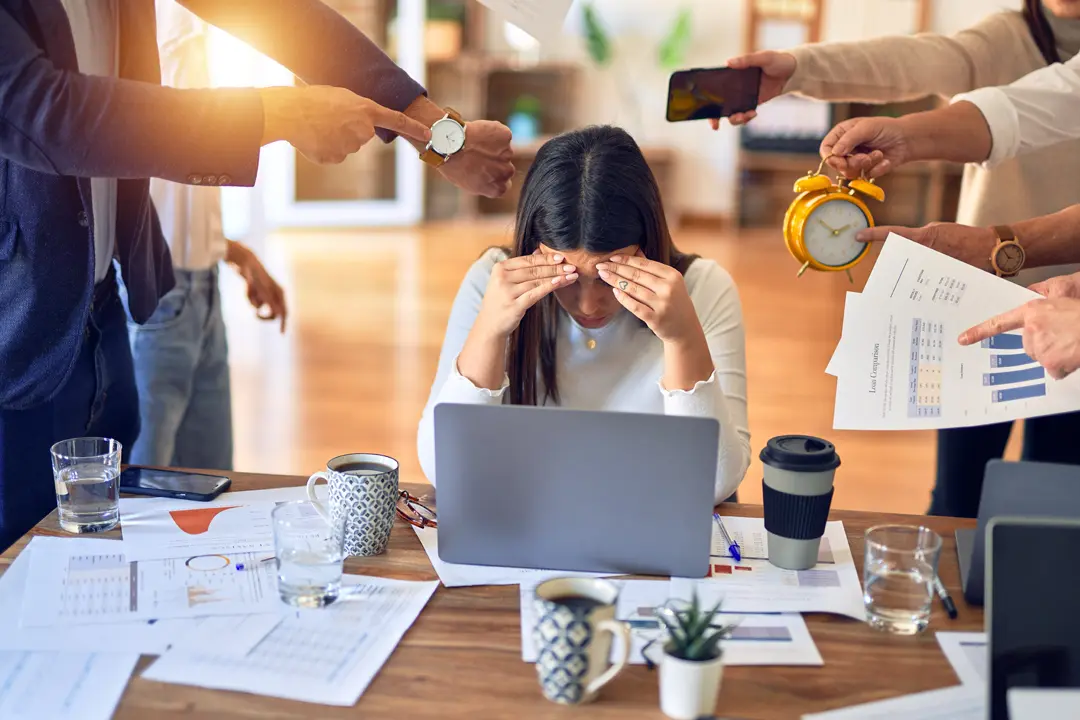
Camille Cooper • 30 Dec 2025 • 153 views • 3 min read.Your heart races before presentations. Your mind spirals with worst-case scenarios at 3 AM. Sunday evenings fill you with dread about Monday. Your jaw clenches, shoulders tighten, stomach knots. You're irritable, exhausted, overwhelmed—and you can't remember the last time you felt truly calm. Welcome to modern life, where chronic stress and anxiety have become so normalized that we've forgotten what baseline relaxation feels like. Stress and anxiety aren't character flaws or signs of weakness—they're natural responses to perceived threats, hijacked by modern life's constant demands. Your nervous system, designed for occasional acute danger (lions, not deadlines), now fires continuously, damaging your health, relationships, and quality of life. Pills and therapy help many people, but daily practical techniques provide immediate relief and long-term resilience. This guide offers evidence-based strategies you can implement today—no prescription, expensive equipment, or hours of time required. Just practical tools for calming your nervous system and reclaiming peace.
Understanding Stress vs. Anxiety
Related but distinct experiences:
Stress:
Trigger: External (work deadline, relationship conflict, financial pressure) Duration: Usually temporary (resolves when stressor ends) Response: Proportional to actual threat Purpose: Motivates action and problem-solving
Normal stress is adaptive—helps you meet challenges.
Anxiety:
Trigger: Internal (worry about potential future problems) Duration: Can persist without external stressor Response: Often disproportionate to actual threat Purpose: Protective vigilance (but often excessive)
Anxiety = stress response without clear external threat
When normal becomes problematic:
Healthy stress/anxiety:
- Temporary and situational
- Proportional to circumstances
- Motivates productive action
- Resolves when situation changes
Problematic stress/anxiety:
- Chronic and persistent
- Disproportionate to actual threats
- Paralyzing rather than motivating
- Interferes with daily functioning
- Physical symptoms (headaches, insomnia, digestive issues)
This guide addresses everyday stress/anxiety. If symptoms are severe or debilitating, seek professional help—therapy and medication work.
Immediate Techniques (Use Anytime, Anywhere)
When stress/anxiety spikes, these techniques calm your nervous system quickly:
1. Box Breathing (4-4-4-4)
The technique:
- Inhale through nose for 4 counts
- Hold breath for 4 counts
- Exhale through mouth for 4 counts
- Hold empty for 4 counts
- Repeat 4-5 cycles
Why it works:
- Activates parasympathetic nervous system (relaxation response)
- Slows heart rate
- Interrupts anxiety spiral
Use when: Panic attacks, pre-presentation nerves, insomnia, anger
Time: 2 minutes
2. 5-4-3-2-1 Grounding Technique
The technique:
Identify and name:
- 5 things you see (blue chair, clock, window, plant, pen)
- 4 things you can touch (desk texture, clothing fabric, hair, floor)
- 3 things you hear (traffic, HVAC, typing, birds)
- 2 things you smell (coffee, soap, fresh air, nothing)
- 1 thing you taste (mint, coffee, nothing)
Why it works:
- Anchors you in present moment
- Interrupts rumination about past/future
- Engages senses, not anxious thoughts
Use when: Spiraling thoughts, panic attacks, dissociation
Time: 2-3 minutes
3. Progressive Muscle Relaxation (PMR)
The technique:
Starting with feet, moving up body:
- Tense muscle group for 5 seconds
- Release completely
- Notice difference between tension and relaxation
- Move to next muscle group
Muscle groups: Feet → calves → thighs → glutes → stomach → chest → hands → arms → shoulders → neck → face
Why it works:
- Releases physical tension (where anxiety manifests)
- Teaches awareness of tension vs. relaxation
- Exhausts muscles, promoting calm
Use when: Bedtime, physical tension, chronic tightness
Time: 10-15 minutes (or abbreviated version with key areas: shoulders, jaw, fists)
4. The Physiological Sigh
The technique:
- Two quick inhales through nose (second inhale re-inflates collapsed alveoli)
- One long, slow exhale through mouth
Why it works:
- Fastest way to calm nervous system (Stanford neuroscientist Andrew Huberman)
- Offloads CO2, reduces physiological stress
- Resets breathing pattern
Use when: Immediate panic, crying, hyperventilation
Time: 10 seconds (repeat 2-3 times)
5. Cold Water Face Immersion
The technique:
- Fill bowl with cold water and ice
- Hold breath
- Submerge face for 15-30 seconds
Why it works:
- Triggers mammalian dive reflex
- Immediately slows heart rate
- Interrupts panic response
Use when: Severe panic attacks, uncontrollable anxiety
Time: 30 seconds
Alternative: Cold water on wrists/back of neck, cold shower
Daily Prevention Techniques
Building resilience prevents stress/anxiety from accumulating:
6. Morning Routine (Set Tone for Day)
Start day intentionally, not reactively:
Don't: ❌ Check phone immediately upon waking ❌ Scroll social media/news ❌ Rush frantically
Do: ✅ 5-10 minutes quiet before devices ✅ Breathing exercises or meditation ✅ Gentle stretching ✅ Shower mindfully ✅ Healthy breakfast ✅ Set 1-3 daily intentions
Why it works:
- Cortisol naturally highest upon waking
- How you start determines nervous system baseline
- Proactive morning → proactive day
Time: 20-30 minutes (wake up earlier if needed)
7. Regular Exercise (Natural Anxiolytic)
The evidence is overwhelming—exercise reduces stress/anxiety dramatically.
How much:
- Minimum: 20-30 minutes daily
- Ideal: 150 minutes weekly moderate intensity
What type:
- Aerobic (most effective): Running, cycling, swimming, brisk walking
- Strength training: Reduces anxiety + builds confidence
- Yoga: Combines movement, breath, mindfulness
- Any movement you'll actually do: Consistency matters most
Why it works:
- Burns stress hormones (cortisol, adrenaline)
- Releases endorphins (natural mood boosters)
- Improves sleep quality
- Provides sense of control and accomplishment
When: Morning (sets positive tone) or afternoon (breaks up day), avoid intense exercise within 2-3 hours of bedtime
8. Sleep Hygiene (Foundation of Mental Health)
Poor sleep amplifies stress/anxiety exponentially.
Non-negotiables:
✅ Consistent schedule (same bedtime/wake time daily, even weekends) ✅ 7-9 hours (individually determined, but most need this) ✅ Dark, cool room (60-67°F, blackout curtains) ✅ No screens 1 hour before bed (blue light disrupts melatonin) ✅ No caffeine after 2 PM (half-life 5-6 hours) ✅ Wind-down routine (signal brain it's sleep time)
When sleep improves, stress/anxiety reduce significantly.
9. Nutrition Impact
What you eat affects anxiety levels:
Reduce/eliminate:
- Caffeine (especially if anxiety-prone—even morning coffee affects some people)
- Alcohol (disrupts sleep, increases anxiety rebound)
- Sugar (blood sugar crashes increase anxiety)
- Processed foods (inflammatory, poor nutrient profile)
Increase:
- Omega-3s (fish, walnuts, flaxseed—reduce inflammation, support brain)
- Magnesium (dark leafy greens, nuts, seeds—calming mineral)
- Complex carbs (whole grains, vegetables—stable blood sugar)
- Protein (stable energy, neurotransmitter building blocks)
- Hydration (dehydration increases cortisol)
Not a cure, but foundation matters.
10. Limit News and Social Media
Constant information overload keeps nervous system activated.
Strategy:
- Check news once daily (morning or evening, not both)
- Time-limit social media (30 minutes max daily)
- Unfollow/mute anxiety-inducing accounts
- Turn off push notifications
- No phone in bedroom
Your brain wasn't designed for global-scale catastrophe awareness 24/7.
Cognitive Techniques (Managing Thought Patterns)
Anxiety lives in your thoughts—change thoughts, reduce anxiety:
11. Cognitive Restructuring
Challenge anxious thoughts:
Anxious thought: "I'm going to fail this presentation and get fired."
Challenge:
- What's evidence for/against this?
- What's more realistic outcome?
- If friend had this thought, what would I tell them?
- What's worst case, best case, most likely case?
Reframe: "I'm prepared. Nervousness is normal. Even if imperfect, one presentation won't end my career."
12. Scheduled Worry Time
Instead of suppressing worries (doesn't work), contain them:
The technique:
- Set 15-minute daily "worry appointment"
- When worries arise during day, write them down
- Tell yourself "I'll worry about this during worry time"
- During appointment, actively worry about listed items
- When timer ends, stop (move to solution-focused thinking or let go)
Why it works:
- Acknowledges worries (doesn't suppress)
- Prevents all-day rumination
- Often worries seem less urgent during designated time
13. Acceptance (Paradoxical Anxiety Reducer)
Fighting anxiety increases it. Accepting it reduces it.
Instead of: "I shouldn't feel this way. I need to stop feeling anxious."
Try: "I'm feeling anxious right now. That's uncomfortable but not dangerous. I can feel this and still function."
Anxiety about anxiety worsens anxiety. Acceptance breaks the cycle.
Lifestyle Structure (Reduce Unnecessary Stressors)
14. Boundaries and Saying No
Chronic overcommitment = chronic stress
Practice:
- "I appreciate the invitation, but I need to decline."
- "I don't have capacity for that right now."
- "Let me check my schedule and get back to you." (buying time to consider)
Remember: No is a complete sentence. You don't owe elaborate justifications.
15. Time Management and Prioritization
Overwhelm often comes from trying to do everything:
Daily practice:
- Identify 1-3 most important tasks (MITs)
- Do those first
- Everything else is secondary
Don't confuse urgent with important.
16. Social Connection
Isolation increases stress/anxiety. Connection is protective.
Regular:
- Quality time with friends/family
- Calls/video chats if in-person impossible
- Support groups (if dealing with specific issues)
- Therapy (professional support)
Humans are social creatures—we regulate each other's nervous systems.
When to Seek Professional Help
These techniques help everyday stress/anxiety. Seek professional help if:
🚩 Anxiety interferes with daily functioning (work, relationships, self-care) 🚩 Panic attacks frequent or severe 🚩 Constant worry you can't control 🚩 Physical symptoms (chest pain, shortness of breath, dizziness) 🚩 Depression alongside anxiety 🚩 Suicidal thoughts 🚩 Self-medication with substances 🚩 Techniques in this guide insufficient after consistent practice
Therapy (especially CBT) and medication are evidence-based treatments—not signs of weakness.
Building Your Personal Stress-Management Toolkit
Not every technique works for everyone—experiment:
Week 1: Try box breathing and 5-4-3-2-1 grounding
Week 2: Add morning routine and exercise
Week 3: Implement sleep hygiene and limit news
Week 4: Practice cognitive restructuring and boundaries
Track what helps most. Build personalized toolkit.
Manage daily stress and anxiety through immediate techniques—box breathing, 5-4-3-2-1 grounding, progressive muscle relaxation, physiological sighs, cold water exposure—and long-term prevention via morning routines, regular exercise, sleep hygiene, nutritious eating, limited media consumption, cognitive restructuring, scheduled worry time, acceptance practices, firm boundaries, effective time management, and social connection. Experiment to build personal toolkits. These evidence-based strategies calm nervous systems quickly and build resilience over time. Seek professional help if anxiety interferes with functioning, includes panic attacks, or persists despite consistent practice. Therapy and medication work effectively alongside daily techniques.