
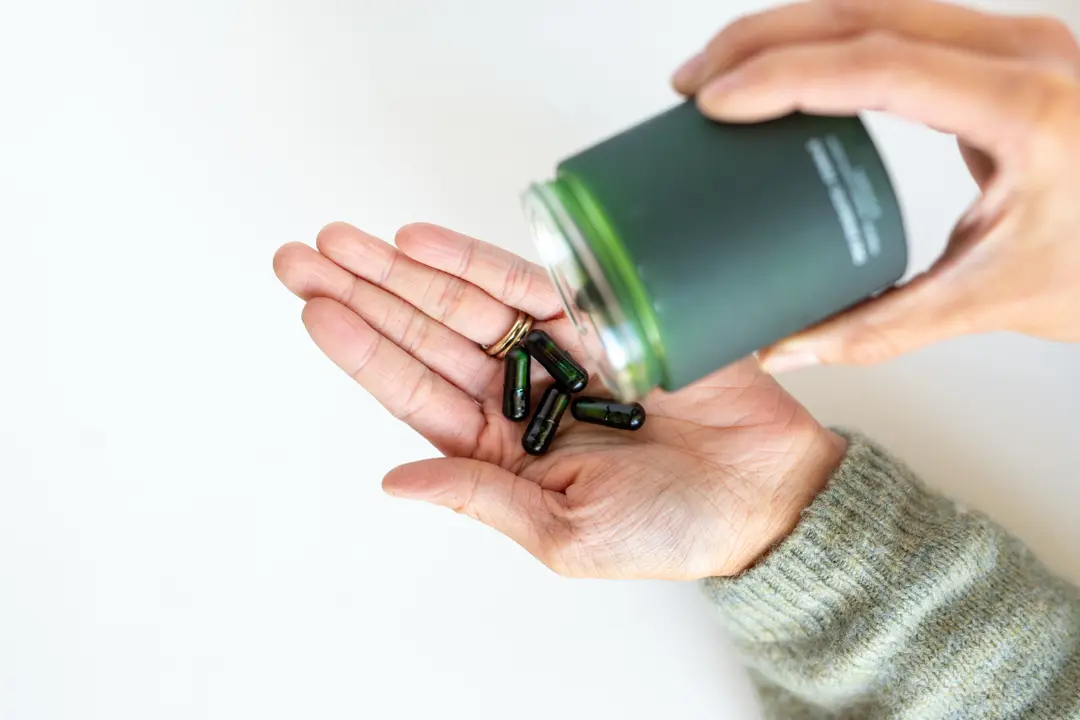
The Truth About Supplements: What Works and What Doesn't
Camille Cooper • 30 Dec 2025 • 132 views • 3 min read.Your medicine cabinet overflows with bottles: multivitamins, omega-3s, vitamin D, probiotics, turmeric, collagen, ashwagandha, and a dozen others promising energy, immunity, focus, longevity, or perfect skin. You spend hundreds monthly, swallowing handfuls of pills, hoping they're working—but honestly, you can't tell if they make any difference. Meanwhile, influencers push new miracle supplements weekly, doctors seem skeptical, and studies contradict each other. The supplement industry is largely unregulated, worth $150+ billion annually, filled with exaggerated claims, questionable quality, and products ranging from genuinely beneficial to completely useless or even harmful. Most people waste money on unnecessary supplements while potentially missing the few that could actually help them. Understanding which supplements have evidence behind them, which are marketing hype, and who actually needs supplementation can save you money and optimize your health. This guide separates science from snake oil with honest, evidence-based analysis.
Understanding the Supplement Industry
Critical context before evaluating individual supplements:
Supplements are NOT regulated like drugs:
FDA oversight:
- Drugs: Rigorous testing required before approval (safety, efficacy)
- Supplements: Manufacturers self-regulate; FDA intervenes only after problems arise
What this means:
- No guarantee products contain what labels claim
- Quality varies wildly between brands
- Health claims often exaggerated or unsupported
- Contamination possible (heavy metals, undisclosed ingredients)
"Natural" doesn't mean safe:
Many supplements have side effects:
- Drug interactions
- Overdose potential (fat-soluble vitamins especially)
- Allergic reactions
- Liver/kidney damage (some herbs)
Natural substances are chemicals—can be powerful and dangerous
Most people don't need most supplements:
If you:
- Eat varied, nutritious diet
- Get adequate sunlight
- Don't have diagnosed deficiencies
- Aren't pregnant/breastfeeding
- Don't have absorption issues
You probably don't need supplements (with few exceptions noted below)
Food first, supplements second
Supplements That Actually Work (Evidence-Based)
1. Vitamin D
Who needs it:
- People with limited sun exposure
- Dark skin (melanin blocks vitamin D synthesis)
- Living in northern latitudes (especially winter)
- Elderly (reduced synthesis)
- People with diagnosed deficiency
Evidence: ✅ Strong evidence for bone health ✅ Immune function support ✅ May reduce depression risk ✅ Cardiovascular benefits emerging
Dosage: 1,000-2,000 IU daily (or as directed by doctor based on blood test)
Form: Vitamin D3 (cholecalciferol) more effective than D2
Test first: Get blood levels checked; aim for 30-50 ng/mL
Note: Deficiency extremely common (estimated 40%+ of Americans)
2. Omega-3 Fatty Acids (EPA/DHA)
Who needs it:
- People who don't eat fatty fish 2-3x weekly
- Vegetarians/vegans (algae-based DHA)
- Heart disease risk
- High triglycerides
Evidence: ✅ Cardiovascular health (reduces triglycerides) ✅ Brain health and development ✅ Anti-inflammatory effects ✅ May reduce depression risk
Dosage: 1,000-2,000 mg combined EPA/DHA daily
Form: Fish oil, krill oil, or algae oil (vegan)
Quality matters: Look for third-party testing (IFOS, USP), molecular distillation (removes contaminants)
Better option: Eat fatty fish (salmon, mackerel, sardines) regularly
3. Magnesium
Who needs it:
- People with diagnosed deficiency
- Athletes (lost through sweat)
- Chronic stress (depletes magnesium)
- Poor sleep quality
- Constipation
Evidence: ✅ Muscle function and recovery ✅ Sleep quality improvement ✅ Stress and anxiety reduction ✅ Blood pressure regulation ✅ Bone health
Dosage: 200-400 mg daily
Forms:
- Magnesium glycinate: Best for sleep, anxiety (well-absorbed, gentle)
- Magnesium citrate: Good absorption, laxative effect (helpful for constipation)
- Magnesium oxide: Poorly absorbed, cheap (avoid)
Timing: Evening (promotes relaxation)
4. Creatine (for athletes/active people)
Who needs it:
- Athletes and strength trainers
- Older adults (muscle preservation)
- Vegetarians/vegans (lower dietary creatine)
Evidence: ✅ Increases muscle mass and strength ✅ Improves high-intensity exercise performance ✅ May improve cognitive function ✅ Safe long-term (most-studied supplement)
Dosage: 3-5 grams daily (no loading phase necessary)
Form: Creatine monohydrate (cheapest, most effective, most studied)
Note: One of the most evidence-backed supplements
5. Protein Powder (conditionally useful)
Who needs it:
- Athletes with high protein needs
- Older adults (difficulty consuming enough protein)
- Convenience supplement for busy people
Evidence: ✅ Supports muscle growth/recovery ✅ Convenient protein source
Dosage: As needed to meet protein goals (0.7-1g per lb body weight)
Forms:
- Whey: Complete protein, fast-digesting (dairy-based)
- Casein: Slow-digesting (before bed)
- Plant-based: Pea, rice, hemp (combine for complete amino acids)
Better option: Whole food protein sources (meat, fish, eggs, dairy, legumes)
6. Probiotics (conditionally beneficial)
Who might benefit:
- People taking/recently finished antibiotics
- Digestive issues (IBS, some cases)
- Certain infections (C. diff)
Evidence: ✅ May restore gut bacteria after antibiotics ✅ Some strains help specific conditions (evidence varies by strain)
Caution:
- Strain-specific effects (what works for one condition may not work for another)
- Quality varies wildly
- Expensive
- Whole foods (yogurt, kefir, sauerkraut, kimchi) often better
If taking: Look for multi-strain, high CFU (25+ billion), third-party tested
7. Iron (if deficient)
Who needs it:
- People with diagnosed iron deficiency/anemia
- Women with heavy menstrual periods
- Pregnant women
- Vegetarians/vegans (plant iron less bioavailable)
Evidence: ✅ Treats iron deficiency anemia ✅ Improves energy in deficient individuals
CAUTION: ❌ Don't supplement without testing—excess iron is toxic ❌ Can cause constipation, nausea
Test first: Ferritin blood test
Dosage: As prescribed by doctor
8. B12 (for specific populations)
Who needs it:
- Vegans/vegetarians (B12 only in animal products)
- People over 50 (absorption declines)
- People on metformin or PPIs (interfere with absorption)
Evidence: ✅ Prevents deficiency in at-risk populations ✅ Essential for nerve function, energy
Dosage: 1,000-2,500 mcg weekly (or as directed)
Form: Methylcobalamin or cyanocobalamin (both work)
Supplements with Mixed/Limited Evidence
Multivitamins
Evidence: Mixed and mostly negative for healthy people
Large studies show:
- No reduction in heart disease, cancer, or mortality for people eating balanced diets
- May provide "insurance" for poor diets (but fixing diet is better)
Who might benefit:
- Elderly with poor appetite
- Restrictive diets
- Diagnosed deficiencies
Most people: Waste of money
Vitamin C
Evidence: Limited benefits for most people
✅ May reduce cold duration slightly if taken before symptoms ❌ Doesn't prevent colds in general population ✅ Beneficial for athletes (reduces post-exercise infection risk)
Dosage: 200-500 mg (more excreted in urine)
Better: Eat fruits and vegetables (vitamin C + other beneficial compounds)
Collagen
Evidence: Preliminary but promising
✅ May improve skin elasticity and hydration (small studies) ✅ May reduce joint pain (some evidence) ❌ More research needed
Skepticism: Digested into amino acids (not guaranteed to reach skin/joints as collagen)
Alternative: Consume protein + vitamin C (body makes collagen from amino acids)
Turmeric/Curcumin
Evidence: Anti-inflammatory properties in lab, mixed in humans
✅ May reduce inflammation and pain (arthritis) ❌ Poor bioavailability (not well absorbed) ❌ Requires piperine (black pepper) for absorption
If trying: Look for enhanced bioavailability formulations
Caution: Can thin blood (don't combine with blood thinners)
Supplements That Don't Work (Despite Marketing)
Detox/Cleanse supplements
Marketing claim: "Flush toxins," "cleanse liver"
Reality: ❌ Your liver and kidneys detox naturally—don't need help ❌ No evidence these supplements do anything ❌ Often just expensive laxatives
What works: Adequate water, fiber, limiting alcohol
Fat burners/Weight loss supplements
Marketing claim: "Melt fat," "boost metabolism"
Reality: ❌ Minimal effect at best ❌ Often contain stimulants (heart risks) ❌ Expensive and ineffective
What works: Calorie deficit through diet and exercise
Testosterone boosters (for healthy men)
Marketing claim: "Naturally boost T," "build muscle"
Reality: ❌ Most ingredients don't increase testosterone meaningfully ❌ If you have healthy T levels, raising them slightly doesn't help ❌ If you have low T, see doctor for real treatment
What works: Sleep, exercise, healthy weight
Brain/Nootropic supplements (most)
Marketing claim: "Enhance focus," "boost memory"
Reality: ❌ Little evidence for most ingredients ❌ Caffeine is main active ingredient (just drink coffee)
Exceptions: Creatine has cognitive benefits, omega-3s support brain health
Immune boosters (most)
Marketing claim: "Strengthen immune system," "fight colds"
Reality: ❌ Zinc lozenges may reduce cold duration if taken early ❌ Elderberry has minimal evidence ❌ Most ingredients don't affect immune function
What works: Sleep, nutrition, exercise, stress management, vaccines
Who Actually Needs Supplements?
Specific populations benefit:
✅ Pregnant/breastfeeding: Prenatal vitamins (folate, iron crucial) ✅ Vegans: B12, possibly iron, omega-3 (algae), vitamin D ✅ Elderly: Vitamin D, B12, possibly protein ✅ Diagnosed deficiencies: Whatever is deficient ✅ Certain medical conditions: Malabsorption disorders, post-surgery ✅ Athletes: Creatine, protein (if needed), vitamin D
Healthy adults eating balanced diets: Very few supplements needed
How to Choose Quality Supplements
If you decide to supplement:
1. Third-party testing:
Look for certifications:
- USP (United States Pharmacopeia)
- NSF International
- ConsumerLab
- Informed Choice (for athletes)
Means: Independent verification of contents and purity
2. Avoid proprietary blends:
Red flag: "Proprietary blend" with undisclosed amounts
Why: Can't verify effective dosing of active ingredients
3. Reasonable claims:
❌ "Cure disease" ❌ "Miracle results" ❌ "Secret ingredient"
✅ Modest, evidence-based claims
4. Check dosages:
Many supplements under-dose active ingredients (cheaper to manufacture)
Research effective doses, compare to product
5. Expiration dates:
Supplements degrade over time—check dates
The Bottom Line: Food First
The best "supplement" is a nutritious diet:
✅ Fruits and vegetables: Vitamins, minerals, fiber, phytonutrients ✅ Protein sources: Animal products, legumes, dairy ✅ Whole grains: B vitamins, minerals, fiber ✅ Healthy fats: Nuts, seeds, fish, olive oil ✅ Adequate sunlight: Vitamin D
Supplements called supplements for a reason—they supplement diet, not replace it.
When to Consult a Doctor
Before supplementing, especially if:
- Taking medications (interactions possible)
- Pregnant/breastfeeding
- Chronic health conditions
- Planning surgery (some supplements thin blood)
- Experiencing symptoms (get tested, don't self-diagnose)
Don't assume safe because "natural"
Most supplements lack evidence for healthy adults eating balanced diets. Evidence-backed exceptions: vitamin D (especially northern latitudes, dark skin), omega-3s (if not eating fish), magnesium (sleep, stress), creatine (athletes), protein powder (convenience), probiotics (post-antibiotics), iron (if deficient), B12 (vegans, elderly). Multivitamins offer minimal benefits for most people. Avoid detoxes, fat burners, testosterone boosters, and most brain supplements—they don't work. Choose third-party tested brands, avoid proprietary blends, verify effective dosages. Prioritize whole foods over supplements. Test for deficiencies before supplementing. Consult doctors before adding supplements, especially with medications or health conditions.