
Digital Detox: What Happened to My Brain After 7 Days Without a Smartphone
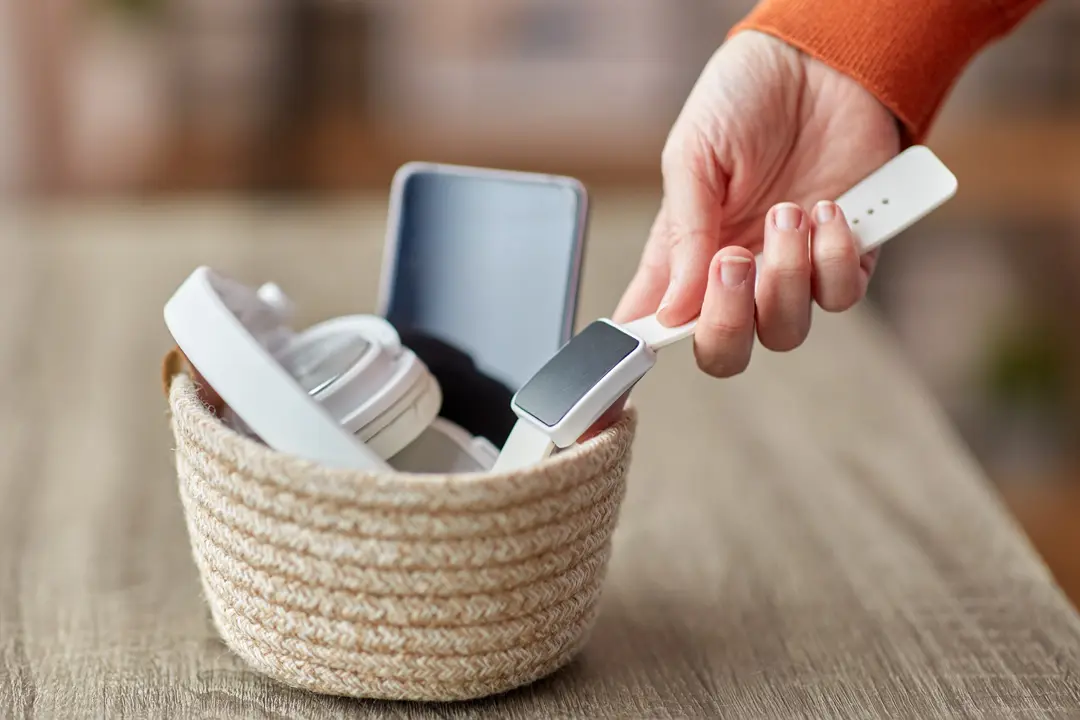
Camille Cooper • 06 Feb 2026 • 215 views • 3 min read.I reached for my phone 47 times on day one. I know because I kept a tally. Forty-seven times my hand moved toward my pocket automatically, looking for something that wasn't there. That's when I realized how bad things had gotten. I'd been averaging seven hours of screen time daily. My phone was the first thing I touched in the morning and the last thing I saw at night. I couldn't sit through a meal without checking notifications. I couldn't wait in line for 30 seconds without scrolling. So I decided to lock my smartphone away for seven days. No cheating. No exceptions. Just me and my thoughts for a week. Here's what actually happened to my brain.
Digital Detox: What Happened to My Brain After 7 Days Without a Smartphone
Quick Summary:
- The first 48 hours felt like withdrawal symptoms
- Sleep quality improved dramatically by day three
- Attention span and presence increased noticeably
- The hardest part wasn't what I expected
Day 1-2: The Withdrawal Phase
Let me be honest with you. The first two days were miserable. I don't use that word lightly.
I felt genuinely anxious. Not worried about missing something important, because I'd set up email auto-responses and told key people to call my landline for emergencies. The anxiety was physical. Restlessness in my body. A constant feeling that something was wrong.
I kept reaching for my phone. During conversations. While watching TV. Walking from one room to another. The habit was so deeply embedded that my body performed the motion without any conscious decision.
Boredom hit hard. I'd forgotten what boredom actually felt like. For years, any microsecond of waiting got filled with scrolling. Now I had to just... wait. Exist in the moment without distraction.
The evenings were worst. My usual routine involved phone scrolling in bed until I fell asleep. Without it, I lay there with my thoughts. And my thoughts, honestly, weren't great company at first. All the things I'd been avoiding thinking about came flooding in.
Day 3-4: The Adjustment Phase
Something shifted on day three. I woke up after sleeping eight hours straight without checking my phone at 3 AM. That hadn't happened in years.
My brain started filling the void with other things. I read an actual book. A physical book. I finished 150 pages in one sitting because nothing interrupted me. No notifications. No urge to check anything. Just me and the story.
I noticed things I'd been missing. The sound of birds outside my window. The way my coffee actually tasted when I wasn't simultaneously reading headlines. A conversation with my neighbor that lasted 20 minutes because neither of us was staring at screens.
The constant low-grade anxiety started fading. I hadn't realized how much mental energy my phone consumed even when I wasn't using it. Just knowing notifications might be waiting created background stress I'd normalized.
I got bored, but differently. Productive boredom. The kind that leads to cleaning out that closet you've ignored for months, or calling a friend you haven't talked to in a while, or starting a project you'd been putting off.
Day 5-7: The Clarity Phase
By day five, I stopped reaching for my phone. The habit was breaking.
My attention span felt different. I could focus on single tasks for extended periods without feeling pulled elsewhere. Reading, conversations, cooking, even just sitting and thinking became easier to sustain.
I was more present with people. Without the phone as an escape hatch, I actually listened during conversations. I noticed facial expressions, body language, things I'd been too distracted to see. Relationships felt richer even in that short time.
My mood stabilized. The comparison trap that social media creates wasn't affecting me. Nobody's curated life was making me feel inadequate about my real one. I just... lived my life without measuring it against strangers.
Sleep improved dramatically. Not just duration but quality. I was falling asleep faster and waking up more rested. The blue light and mental stimulation of phone use before bed had been sabotaging my rest for years.
I got more done while feeling less busy. Without the constant task-switching that phone use creates, I completed projects faster. The absence of interruption made work feel easier, not harder.
Day-by-Day Changes
| Day | Challenge Level | Sleep Quality | Attention Span | Mood | Key Observation |
|---|---|---|---|---|---|
| 1 | Severe | Poor (habit disruption) | Very low | Anxious | Reached for phone 47 times |
| 2 | Severe | Poor | Low | Restless | Boredom felt uncomfortable |
| 3 | Moderate | Improved | Moderate | Stabilizing | Finished a book in one sitting |
| 4 | Moderate | Good | Good | Calmer | Had meaningful conversation |
| 5 | Mild | Very good | Very good | Stable | Stopped reaching for phone |
| 6 | Minimal | Excellent | Excellent | Positive | Felt genuinely present |
| 7 | None | Excellent | Excellent | Clear | Dreaded returning to phone |
What Surprised Me Most
Some outcomes I expected. Better sleep, less distraction, more presence. Those are the clichés of digital detox articles. But certain things genuinely surprised me.
The phantom vibrations stopped. I didn't even realize I'd been feeling false phone vibrations until they stopped. My brain had been generating fake notifications to justify checking my phone.
I didn't miss as much as I feared. I thought I'd return to hundreds of urgent messages and important updates I'd missed. Reality? A few emails that could have waited. Some social media posts I didn't care about. Nothing that actually mattered had been missed.
Time felt different. Days seemed longer in a good way. Without the time-compression effect of endless scrolling, hours felt substantial. I did more and felt less rushed.
My mind got quieter. The constant information stream had created mental noise I'd normalized. Without new inputs every few minutes, my thoughts settled. I could actually hear myself think.
Returning to my phone felt strange. When I finally turned it back on, the experience felt overwhelming. All those apps, notifications, and options felt excessive in a way they hadn't before.
What I Changed After the Experiment
I couldn't stay phone-free forever. That's not realistic for modern life. But I made permanent changes based on what I learned.
Morning buffer established. No phone for the first hour after waking. Coffee, breakfast, and thoughts before screens. This single change improved my entire day's quality.
Bedroom became phone-free. I bought a $10 alarm clock. The phone charges in another room overnight. Sleep quality stayed improved permanently.
Notifications gutted. I turned off notifications for everything except calls and texts from favorites. No app gets to interrupt me anymore. I check things on my schedule.
Grayscale mode enabled. The phone display is now black and white. Sounds small, but color removal makes scrolling less appealing. The dopamine hits from colorful interfaces disappeared.
Phone-free zones created. Meals, conversations, and certain rooms are now phone-free. Physical boundaries reinforced mental ones.
Frequently Asked Questions
Do I need to go a full seven days?
Not necessarily. Even 24-48 hours provides insight into your relationship with your phone. Weekend detoxes work for many people. The length matters less than the intention and observation.
What about work emergencies?
I set up a landline number and told key people to call it for genuine emergencies. You can also designate one person as an emergency contact who can reach you. True emergencies are rarer than we pretend.
Won't I miss important things?
This fear is usually overblown. Most "urgent" things aren't actually urgent. The world continued without constant connectivity for most of human history. Your inbox can wait a day.
How do I handle navigation without my phone?
I printed maps for anywhere I needed to go. Old school, but it worked. Alternatively, keep a basic GPS device in your car or limit the detox to times when you won't need navigation.
What if I get bored?
That's actually the point. Boredom is where creativity, reflection, and presence live. We've eliminated boredom from our lives and lost something valuable. Let yourself be bored. See what happens.
Can I do a partial detox instead?
Absolutely. Deleting social media apps while keeping texting works. Screen time limits help some people. But full detox reveals things partial measures can't. Try the full version at least once.
What about kids or elderly parents who might need me?
Keep a basic phone for calls only. Or establish check-in times. The goal isn't to be unreachable for emergencies. It's to break the compulsive checking habit.
The Bottom Line
Here's what seven days without a smartphone taught me. I wasn't using my phone. My phone was using me.
The constant connectivity I thought I needed was actually making my life worse. Worse sleep. Worse attention. Worse presence. Worse relationships. I'd traded real life for a flickering screen without even noticing.
I'm not suggesting everyone throw their phones away. That's not realistic and it's not necessary. But I am suggesting that most of us have no idea how much our devices affect our brains until we step away.
Try it. Even for a weekend. Lock your phone in a drawer and see what happens. The withdrawal is real but temporary. What comes after is clarity you might have forgotten was possible.
Your brain will thank you. Your relationships will thank you. And you might discover that the life you've been scrolling past is actually pretty good when you're present for it.