
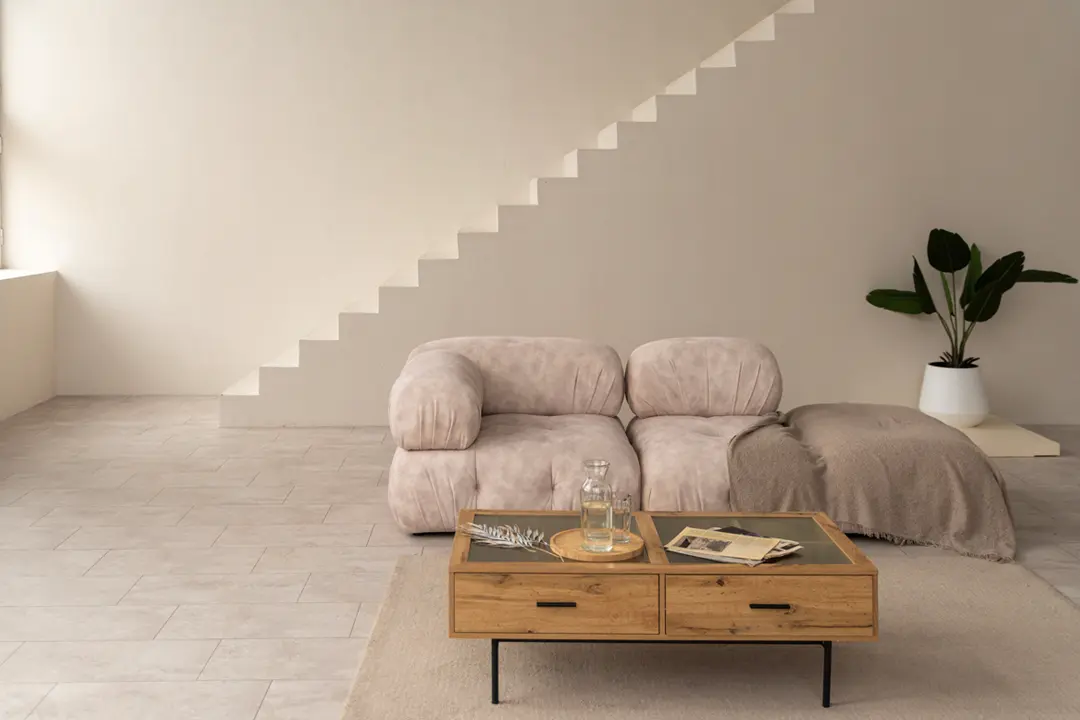
Modern Minimalism: How to Declutter Your Space and Your Mind
Camille Cooper • 10 Feb 2026 • 181 views • 3 min read.Let me tell you about the moment I realized I had a problem. I was searching for my passport before a trip. I knew it was somewhere in my apartment. An hour later, I'd torn through three closets, two filing cabinets, and a box of random stuff I hadn't opened in four years. The passport was in the fourth place I checked. That search cost me an hour of my life. But here's what hit me harder. The entire time I was searching, my stress level was through the roof. Every pile of stuff I didn't need was making my life actively worse. I didn't become a minimalist because I saw pretty photos of empty apartments. I became a minimalist because I was tired of my stuff costing me time, energy, and peace of mind. Let me show you how I got there and how you can too—without becoming a monk who owns three items.
Modern Minimalism: How to Declutter Your Space and Your Mind
Quick Summary:
- Minimalism isn't about owning nothing—it's about owning what matters
- Physical clutter creates mental clutter you don't consciously notice
- Starting small and building momentum works better than marathon purges
- The goal is freedom, not an aesthetic for Instagram
What Modern Minimalism Actually Is
First, let's kill some myths.
Minimalism doesn't mean owning almost nothing. It doesn't mean bare white walls and one plant. It doesn't mean you can't have hobbies with gear or books you love or comfortable furniture.
Minimalism means being intentional about what you own. It means everything in your space earns its place. It means your possessions serve you rather than the other way around.
The question isn't "how little can I own?" It's "does this add value to my life?"
A musician's house full of instruments isn't cluttered. It's curated around what matters to them. A chef with extensive kitchen equipment isn't failing at minimalism. They're investing in their passion.
Clutter is the stuff that doesn't serve you. The clothes you don't wear. The kitchen gadgets you never touch. The hobby supplies from hobbies you've abandoned. The furniture that just fills space.
Modern minimalism is about removing what doesn't matter so you can focus on what does.
Why Clutter Affects Your Mind
This isn't just philosophy. There's science behind why stuff stresses you out.
Visual clutter competes for attention. Your brain processes everything in your visual field, even subconsciously. More stuff means more processing. That background noise drains mental energy you could use elsewhere.
Clutter creates decision fatigue. Every object is a tiny decision—where to put it, when to use it, whether to keep it. Fewer objects mean fewer micro-decisions throughout your day.
Disorganization triggers cortisol. Studies show cluttered environments raise stress hormone levels. You might not consciously feel stressed about the pile on your desk, but your body responds anyway.
Cleaning becomes overwhelming. When everything is buried under everything else, basic maintenance feels impossible. The apartment that takes an hour to tidy could take fifteen minutes with less stuff.
Mental clarity follows physical clarity. This sounds woo-woo until you experience it. There's something about a clear space that enables clear thinking. Creative people throughout history have noted this connection.
The stuff you're keeping "just in case" might be costing you more than you realize.
The Decluttering Methods Compared
| Method | Approach | Time Required | Best For | Drawback |
|---|---|---|---|---|
| KonMari | Category by category, keep what "sparks joy" | Weeks-months | Emotional attachment to stuff | Time intensive |
| One-a-Day | Remove one item daily | Ongoing | Overwhelmed beginners | Slow progress |
| Four-Box | Sort everything into keep/donate/trash/relocate | Days-weeks | Practical thinkers | Can be exhausting |
| Room-by-Room | Complete one room before moving to next | Weeks | Visual progress seekers | Easy to stall |
| 20/20 Rule | If replaceable for $20 in 20 min, let it go | Ongoing | "Just in case" hoarders | Doesn't address emotional items |
| Packing Party | Box everything, unbox only what you use | 3-4 weeks | Dramatic change seekers | Extreme |
How to Start Without Getting Overwhelmed
The biggest mistake people make is trying to declutter their entire home in a weekend. They burn out by Sunday afternoon with the garage still untouched and feel like failures.
Don't do that. Start small. Build momentum.
Begin with one drawer. Not the hard one with sentimental items. An easy one. Your sock drawer. Your junk drawer in the kitchen. Something you can complete in fifteen minutes.
Make three piles only. Keep, donate, trash. That's it. Don't create a "maybe" pile. Maybe is usually no.
Touch each item once. Pick it up, make a decision, put it in a pile. Don't pick something up, think about it, and put it back where it was. That's not decluttering. That's shuffling.
Set a timer. Fifteen minutes of focused decluttering beats three hours of half-hearted sorting. Short sessions maintain energy and prevent burnout.
Don't organize first. The instinct is to buy containers and organizers before decluttering. Resist it. Remove first, organize what remains. You might not need the organizers.
Remove donations immediately. Bags of stuff sitting in your house waiting to be donated will either stay there for months or get unpacked. Put them in your car right after filling them.
The Mental Side of Letting Go
Physical decluttering is easy compared to emotional decluttering. Here's how to handle the hard stuff.
"I might need this someday." You probably won't. The 20/20 rule helps: if you can replace it for under $20 in under 20 minutes, let it go. The cost of storing rarely-used items exceeds the cost of replacing them.
"This was expensive." The money is already spent whether you keep it or not. Keeping something you don't use doesn't recover the cost. It just adds storage burden. This is the sunk cost fallacy applied to stuff.
"Someone gave this to me." Gifts are about the moment of giving, not permanent ownership obligations. You honored the gift by receiving it gratefully. You're not obligated to keep it forever.
"I'm keeping it for memories." Take a photo. The memory lives in you, not the object. One box of truly meaningful items is worth keeping. Five boxes of "might be sentimental" is clutter.
"It's still perfectly good." Good items you don't use could be great for someone else. Donating functional things isn't wasteful—keeping them unused is.
Letting go gets easier with practice. The first few items feel hard. By the hundredth item, you feel liberated.
Maintaining Minimalism Long-Term
Decluttering once doesn't solve the problem. Stuff accumulates constantly. You need systems.
One in, one out. Every new item means an old item leaves. This maintains equilibrium after the initial purge.
Regular maintenance. Fifteen minutes weekly beats marathon sessions annually. Make it a habit, not an event.
Question purchases before making them. Where will this live? What will it replace? Do I need this or just want this right now? A pause before buying prevents clutter from accumulating.
Digital counts too. Your phone, computer, and email create mental clutter as well. Apply the same principles to digital possessions.
Accept imperfection. You'll keep some things you shouldn't. You'll buy things you don't need. That's fine. The goal is direction, not perfection.
Frequently Asked Questions
How do I declutter when I live with people who don't want to?
Focus on your own stuff and shared spaces you're responsible for. Model the benefits without preaching. Sometimes seeing results inspires others. Sometimes it doesn't. You can only control your own possessions.
What if I regret getting rid of something?
This happens rarely. When it does, the item is usually easily replaced. In years of minimalism, I've regretted maybe two items out of hundreds removed. The freedom gained vastly outweighs occasional regret.
How do I handle sentimental items?
Keep what genuinely matters. But be honest about whether you're preserving memories or hoarding guilt. Photos of sentimental items often provide the same emotional benefit as the items themselves.
Isn't this just for rich people who can rebuy things?
Actually, minimalism saves money. You buy less. You maintain less. You replace less. The "I might need this" items you donate rarely get needed. And if they do, thrift stores exist.
What about collections or hobbies?
Minimalism supports intentional collections. The key is that collections should add joy, not just accumulate. A curated collection differs from stuff that accumulated because you couldn't stop.
Where do I even start?
One drawer. Fifteen minutes. Today. Start so small that failure is impossible. Build from there.
The Bottom Line
Here's what minimalism actually gave me.
Less time cleaning. Less time searching. Less time organizing. Less time thinking about stuff. Less time maintaining stuff. Less money spent on stuff. Less stress caused by stuff.
More time for what matters. More space for what I love. More clarity about what I actually value. More energy for experiences instead of possessions.
My apartment isn't Instagram-perfect. I still own plenty of things. But everything I own earns its place. Nothing sits there making my life harder.
That's modern minimalism. Not deprivation. Freedom.
Start with one drawer. See how it feels.
You might not stop.