
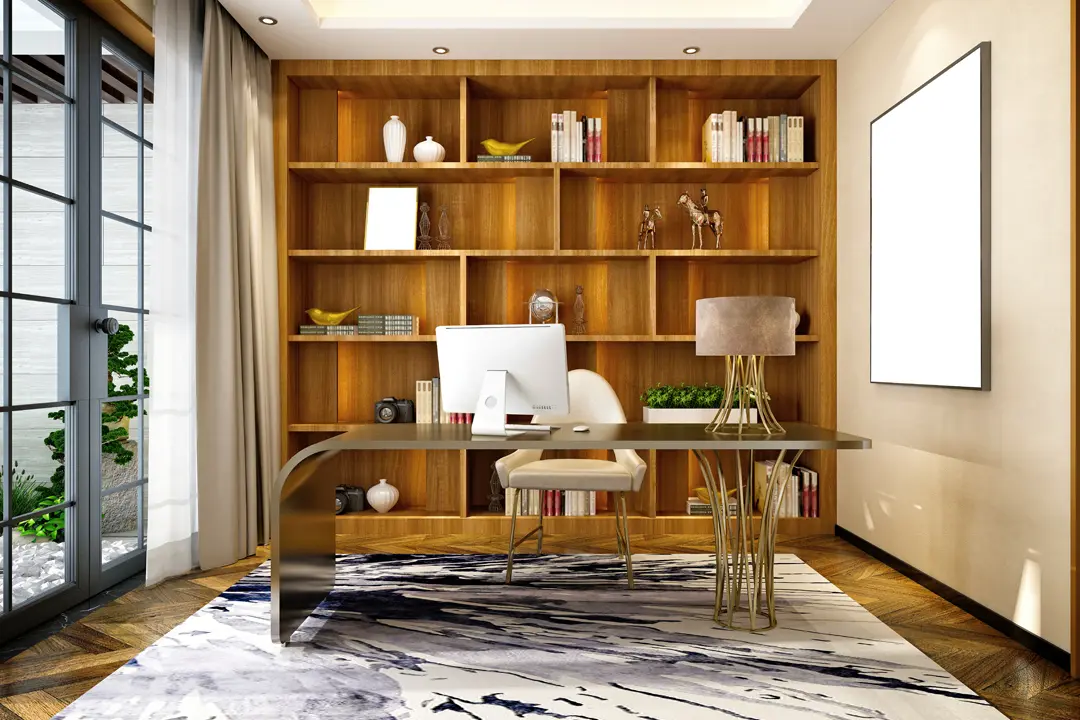
Multifunctional Spaces: Turning Your Guest Room into a Home Office
Camille Cooper • 01 Feb 2026 • 205 views • 3 min read.Most guest rooms sit unused for months between visitors. That spare bedroom represents valuable square footage doing nothing productive. Meanwhile, you work from the dining table or a cramped corner. Remote work has made home offices essential rather than luxurious. But dedicating an entire room to an office feels wasteful when guests visit occasionally. The solution is a room that works harder. This guide teaches you to create a space that functions as both productive office and welcoming guest room. We cover furniture selection, layout strategies, and organization systems. You'll maximize your home's utility without sacrificing hospitality.
Multifunctional Spaces: Turning Your Guest Room into a Home Office
Quick Summary:
- Guest rooms sit empty 90% of the year on average
- Strategic furniture choices serve both functions seamlessly
- Proper zoning keeps work and rest mentally separate
- Storage solutions hide office clutter when guests arrive
Planning Your Dual-Purpose Room
Successful multifunctional spaces require intentional planning. Before purchasing furniture, consider how you'll actually use the room.
Assess your work needs honestly first. How many hours daily will you work here? Do you need video call backgrounds? What equipment must be accommodated? Your work requirements should drive design decisions.
Consider guest frequency and duration realistically. Weekend visitors have different needs than week-long stays. Frequent guests justify more guest-focused investments. Rare visitors can adapt to more office-heavy spaces.
Measure the room carefully before planning layouts. Note window positions, outlet locations, and door swings. Understand traffic patterns through the space. Measurements prevent expensive furniture mistakes.
Establish priorities when trade-offs become necessary. If you work daily but host guests quarterly, prioritize office function. If guests stay frequently and you work elsewhere sometimes, lean toward guest comfort. Balance should reflect actual usage.
Furniture That Serves Both Functions
The right furniture makes dual-purpose rooms possible. Each piece should earn its space by serving multiple needs.
Murphy beds represent the classic solution for good reason. Vertical beds disappear completely when not in use. Modern Murphy beds include shelving and even fold-down desks. Quality units operate smoothly for years. The investment pays off in reclaimed floor space.
Sleeper sofas work for rooms that need seating anyway. Modern sleeper mechanisms have improved dramatically. The sofa provides seating during work hours. Guests get a bed without dedicated floor space.
Daybed options split the difference between couch and bed. They function as seating during the day. Adding pillows creates lounge-like atmosphere. Guests simply remove decorative pillows at night. Daybeds feel less like sleeping on a couch.
Convertible desks fold away or transform when needed. Wall-mounted desks fold flat against walls. Some bookcases incorporate fold-down work surfaces. These options suit rooms where floor space is premium.
Storage ottomans and benches hide office supplies. Guests see attractive seating or bed-end benches. You maintain accessible storage for work materials. Dual-purpose furniture eliminates visible clutter.
Layout Strategies That Work
How you arrange furniture matters as much as what you choose. Good layouts serve both functions without awkward compromises.
Zone the room mentally and physically into work and rest areas. Even small rooms benefit from distinct zones. This separation helps your brain shift between work and relaxation modes. Visual barriers like bookshelves can reinforce zones.
Position desks strategically considering both functions. Facing walls works for focus but limits video call backgrounds. Window-facing desks provide natural light but potential glare. Consider what guests will see from the bed position.
Keep the bed area guest-focused even in office-heavy rooms. Nightstands with reading lights make guests comfortable. Clear floor space around sleeping areas prevents stubbed toes. Guests shouldn't navigate around office equipment.
Maintain clear pathways through the room always. Cramped navigation feels unwelcoming to guests. You'll also appreciate easy movement during workdays. Paths should flow naturally between door, desk, and bed.
Consider the closet as potential office or storage space. Closet offices hide completely behind doors. Guests still need some closet space though. Shared closet solutions with clear zones work well.
Creating a Professional Work Environment
Your home office needs must be met for the room to succeed. Professional requirements can't be sacrificed for guest aesthetics.
Lighting affects both work and rest significantly. Task lighting illuminates work surfaces without flooding the room. Ambient lighting creates welcoming guest atmosphere. Layered lighting with dimmers serves both needs. Natural light should be controllable with blinds.
Ergonomics matter for daily work health. Your desk and chair should support proper posture. Don't compromise on seating quality for aesthetics. Guests won't use your office chair anyway. Invest in comfort where it matters.
Technology infrastructure includes outlets, internet, and cable management. Position desks near existing outlets when possible. Extension cords create trip hazards and look messy. Cable management systems hide wires effectively. Strong WiFi signal is non-negotiable for remote work.
Video call backgrounds require consideration in layout. Bookshelves, art, and plants create professional backdrops. Avoid positioning cameras toward beds obviously. Virtual backgrounds work but physical solutions look better. Test camera angles before finalizing desk position.
Acoustic considerations affect both work and guest sleep. Sound-dampening curtains reduce outside noise. Rugs absorb sound in hard-floor rooms. White noise machines benefit both work focus and guest sleep.
Storage Solutions for Dual Use
Effective storage makes the transformation between uses seamless. Everything needs a place to disappear when needed.
Closed storage hides office materials from guests completely. Cabinets, closets, and drawers conceal clutter. Open shelving looks nice but requires constant tidying. Prioritize closed storage for work materials.
Labeled containers help you find things quickly. Clear systems prevent frustration during workdays. Labels can face inward for aesthetics when closed. Organization saves time and reduces stress.
Guest-ready supplies need dedicated storage too. Extra linens, toiletries, and towels should be accessible. Guests shouldn't hunt through your office supplies. Clear zones in closets serve both functions.
Mobile storage offers flexibility between configurations. Rolling file cabinets move aside for guests. Storage ottomans reposition as needed. Flexibility helps small rooms serve multiple purposes.
Vertical storage maximizes limited floor space. Wall-mounted shelves keep floors clear. Over-door organizers use wasted space. Thinking vertically is essential in dual-purpose rooms.
The Guest Experience
Despite office function, guests should feel genuinely welcome. Thoughtful touches transform office-with-bed into comfortable guest quarters.
Quality bedding makes any sleeping arrangement comfortable. Invest in good mattresses for Murphy beds or sleepers. Nice sheets cost relatively little but matter significantly. Guests notice and appreciate bedding quality.
Nightstand essentials show hospitality and consideration. Reading lights, outlets for phone charging, and water glasses. Small touches communicate that guests were expected. These items can store away between visits.
Clear surfaces before guests arrive by storing work materials. Desks can remain but should be cleared and tidied. The room should feel like guest room, not office with bed. Transformation preparation becomes routine with practice.
Personal touches like fresh flowers or welcome notes elevate experience. Small gestures show guests they're valued. These touches take minutes but create lasting impressions. Hospitality doesn't require dedicated guest rooms.
Frequently Asked Questions
What's the best bed solution for a home office?
Murphy beds offer the cleanest transformation between uses. Quality wall beds fold completely away, freeing floor space. Daybeds work well for rooms needing seating. Sleeper sofas suit those who dislike Murphy bed aesthetics.
How much should I budget for this conversion?
Basic conversions using existing furniture cost little. Murphy bed installations range from $1,500-$5,000 installed. Complete room redesigns might reach $5,000-$10,000. Budget depends on current furniture and desired quality level.
Won't guests feel unwelcome in an office?
Thoughtful design prevents this problem completely. When the bed is deployed and desk cleared, it feels like a guest room. Good bedding and hospitality touches communicate welcome. Most guests appreciate that you've created space for them.
How do I handle video calls with a bed in view?
Position your desk so the camera doesn't face the bed directly. Use bookshelves or plants to create professional backgrounds. Virtual backgrounds work when physical arrangements don't. Some Murphy beds look like cabinets when closed.
Can small rooms really serve both functions?
Yes, with the right furniture choices. Murphy beds and wall desks maximize small spaces effectively. Vertical storage compensates for limited floor space. Small rooms require more careful planning but absolutely work.
The Bottom Line
Guest rooms deserve to work harder for your home. The space that hosts visitors a few weeks yearly can serve you daily. Multifunctional design makes this possible without sacrificing either purpose.
Start by assessing how you'll actually use the space. Choose furniture that serves both functions genuinely. Create zones that separate work and rest mentally. Store materials so transformation between uses is seamless.
Your guests will appreciate having a place to stay. You'll gain a productive workspace that enhances daily life. The investment in planning and furniture pays dividends indefinitely. Make every room in your home earn its keep.