
The Gut-Brain Connection: Why Your Diet Affects Your Mood
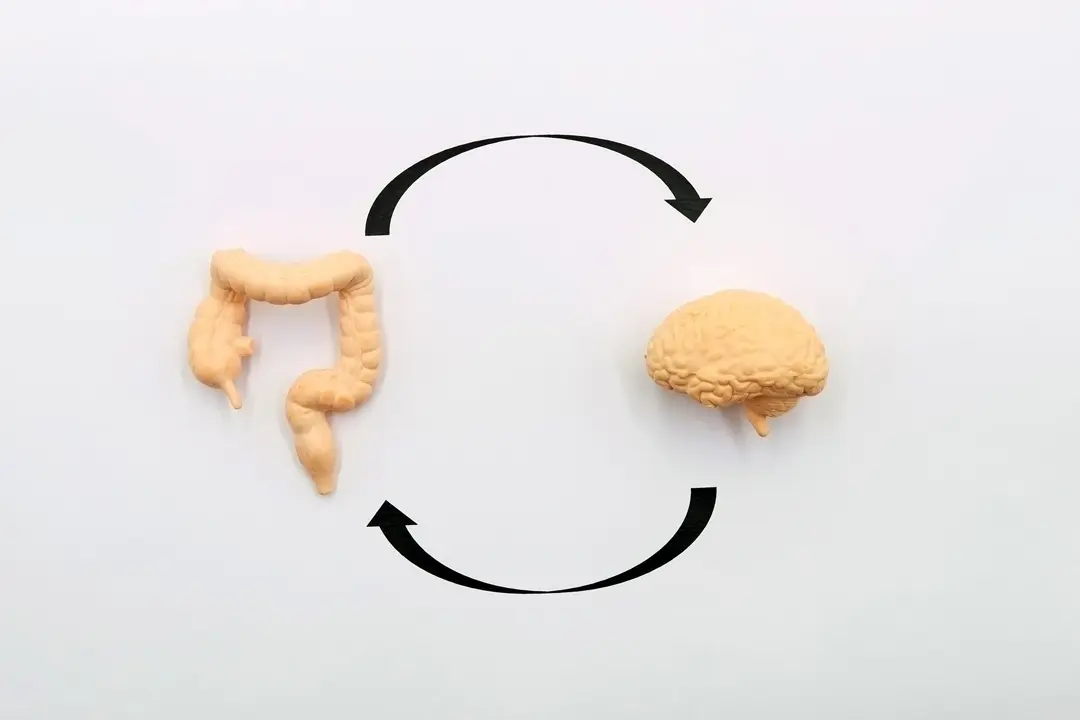
Camille Cooper • 01 Feb 2026 • 141 views • 2 min read.That gut feeling isn't just a metaphor. Your digestive system and brain communicate constantly through a complex network of nerves, hormones, and chemicals. This connection explains why stress causes stomach problems and why certain foods affect your mood. Scientists now call the gut the "second brain" for good reason. The enteric nervous system in your digestive tract contains more neurons than your spinal cord. This system operates independently while maintaining constant communication with your brain. This guide explains the gut-brain connection and its implications for mental health. We cover the science behind this relationship and practical dietary changes that support both gut and brain health. You'll understand why what you eat affects how you feel.
The Gut-Brain Connection: Why Your Diet Affects Your Mood
Quick Summary:
- Your gut contains 500 million neurons connected to your brain
- 95% of serotonin is produced in the digestive system
- Gut bacteria directly influence mental health and mood
- Diet changes can improve both gut health and emotional wellbeing
Understanding the Gut-Brain Axis
The gut-brain axis describes bidirectional communication between your digestive and nervous systems. This connection operates through multiple pathways simultaneously.
The vagus nerve serves as the primary communication highway. This longest cranial nerve runs from your brainstem to your abdomen. It transmits signals in both directions continuously. About 80% of vagus nerve fibers carry information from gut to brain.
Neurotransmitters produced in the gut affect brain function directly. Serotonin, dopamine, and GABA are all manufactured in your digestive system. These chemicals regulate mood, sleep, and anxiety levels. Gut health directly impacts their production.
The immune system connects gut and brain through inflammation signals. Gut bacteria influence immune responses throughout the body. Chronic inflammation from gut imbalance affects brain function. This pathway helps explain the depression-inflammation connection.
Hormones and metabolites from gut bacteria enter bloodstream and affect the brain. Short-chain fatty acids produced by beneficial bacteria reduce inflammation. Other bacterial products can increase anxiety and depression. Your microbiome's composition matters enormously.
The Microbiome's Role in Mental Health
Trillions of bacteria live in your digestive tract. This microbiome weighs about three pounds collectively. These organisms aren't just passengers. They actively influence your mental state.
Beneficial bacteria produce neurotransmitters and their precursors. Certain strains manufacture serotonin, dopamine, and GABA directly. Others produce vitamins essential for brain function. A diverse, healthy microbiome supports mental health.
Harmful bacteria can produce substances that increase anxiety. Dysbiosis, or microbial imbalance, correlates with depression and anxiety. Pathogenic bacteria trigger inflammation affecting brain function. The wrong bacterial balance creates mental health challenges.
Research demonstrates clear connections between microbiome and mood. Studies show depressed individuals have different gut bacteria profiles. Fecal transplants from depressed mice induce depression in healthy mice. Probiotic supplementation reduces anxiety and depression symptoms.
Antibiotic use disrupts the microbiome sometimes for months. This disruption can trigger mood changes in some individuals. Protecting gut bacteria during necessary antibiotic treatment matters. Recovery requires intentional microbiome rebuilding.
Foods That Support the Gut-Brain Connection
| Food Category | Examples | Gut Benefits | Brain Benefits |
|---|---|---|---|
| Fermented Foods | Yogurt, kefir, kimchi, sauerkraut | Introduce beneficial bacteria | Increase serotonin production |
| Prebiotic Fiber | Garlic, onions, bananas, oats | Feed beneficial bacteria | Support neurotransmitter production |
| Omega-3 Fatty Acids | Salmon, sardines, walnuts | Reduce gut inflammation | Support brain cell membranes |
| Polyphenol-Rich Foods | Berries, dark chocolate, green tea | Promote beneficial bacteria growth | Provide antioxidant protection |
| Whole Grains | Brown rice, quinoa, whole wheat | Support diverse microbiome | Stabilize blood sugar and mood |
| Leafy Greens | Spinach, kale, Swiss chard | Provide fiber for bacteria | Supply folate for brain health |
Foods That Harm the Gut-Brain Connection
Certain foods damage gut health and consequently affect mental wellbeing. Understanding what to limit helps as much as knowing what to eat.
Ultra-processed foods disrupt the microbiome significantly. Additives, emulsifiers, and artificial sweeteners harm beneficial bacteria. These foods promote inflammation throughout the body. Regular consumption correlates with higher depression rates.
Excessive sugar feeds harmful bacteria preferentially. Sugar promotes inflammatory responses in the gut. Blood sugar spikes and crashes affect mood directly. Reducing sugar intake benefits both gut and brain.
Artificial sweeteners may harm gut bacteria despite having no calories. Studies show microbiome changes following artificial sweetener consumption. These changes can affect glucose metabolism and mood. Natural sweeteners in moderation work better.
Alcohol damages gut lining and disrupts microbiome balance. Even moderate drinking affects gut bacteria composition. Heavy drinking increases intestinal permeability significantly. This "leaky gut" allows inflammatory substances into bloodstream.
Refined carbohydrates lack the fiber that feeds beneficial bacteria. White bread, pasta, and rice offer little gut health benefit. These foods also cause blood sugar instability. Choosing whole grain alternatives supports both gut and mood.
Practical Steps to Improve Gut-Brain Health
Improving the gut-brain connection doesn't require dramatic changes. Small, consistent dietary adjustments produce meaningful results over time.
Add fermented foods to your diet gradually. Start with one serving daily and increase as tolerated. Yogurt with live cultures, kefir, or kimchi all work. These foods introduce beneficial bacteria directly.
Increase fiber intake slowly to avoid digestive discomfort. Aim for 25-35 grams daily from various sources. Prebiotic fibers specifically feed beneficial gut bacteria. Diverse fiber sources support diverse microbiomes.
Reduce processed food consumption incrementally. Swap one processed item for a whole food alternative weekly. Small changes accumulate into significant dietary shifts. Perfection isn't necessary for improvement.
Stay hydrated to support digestive function and bacterial health. Water helps maintain the gut lining's protective mucus layer. Dehydration concentrates harmful substances in the gut. Aim for adequate daily water intake.
Manage stress because it directly affects gut function. Chronic stress damages gut lining and alters microbiome. Stress reduction benefits both brain and gut simultaneously. The connection works in both directions.
Frequently Asked Questions
How quickly can diet changes affect mood?
Some people notice changes within days. Significant microbiome shifts take weeks to months. Blood sugar stabilization from dietary changes affects mood quickly. Long-term gut healing and rebalancing takes longer.
Should I take probiotic supplements?
Probiotics help some people but aren't necessary for everyone. Food sources often work better than supplements. If choosing supplements, look for diverse strains and adequate CFU counts. Consult healthcare providers for personalized recommendations.
Can gut health problems cause anxiety?
Research strongly suggests yes. Gut dysbiosis correlates with anxiety in numerous studies. Treating gut issues sometimes reduces anxiety symptoms. The connection is bidirectional since anxiety also affects gut health.
What about prebiotics versus probiotics?
Probiotics are beneficial bacteria themselves. Prebiotics are fibers that feed existing beneficial bacteria. Both matter for gut health. A diet rich in prebiotic fiber may matter more long-term than probiotic supplements.
Does the gut-brain connection affect sleep?
Absolutely. Gut bacteria influence melatonin and serotonin production. Poor gut health correlates with sleep disturbances. Improving gut health often improves sleep quality. Sleep deprivation also harms gut bacteria, creating a cycle.
Can children benefit from gut-brain awareness?
Yes. Children's microbiomes are still developing and highly responsive to diet. Early dietary habits establish lifelong gut health patterns. Reducing processed foods and increasing fiber helps children's mood and focus.
Is leaky gut a real condition?
Increased intestinal permeability is well-documented scientifically. The term "leaky gut" is somewhat informal but describes real phenomena. When gut barriers weaken, substances enter bloodstream inappropriately. This triggers inflammation affecting brain function.
The gut-brain connection transforms how we understand mental health. Your digestive system isn't just processing food. It's producing neurotransmitters, housing bacteria that influence mood, and communicating constantly with your brain.
Diet directly affects this system in measurable ways. Fermented foods, fiber, and whole foods support beneficial gut bacteria. Processed foods, sugar, and artificial ingredients harm gut health. These dietary choices influence mental wellbeing.
You don't need perfect eating to benefit from this knowledge. Small improvements in diet quality support gut health incrementally. Adding fermented foods, increasing fiber, and reducing processed foods all help. Consistency matters more than perfection.
Mental health has many contributing factors. Diet alone won't cure depression or anxiety. But supporting the gut-brain connection through nutrition provides one accessible, evidence-based tool for better mental wellbeing.