
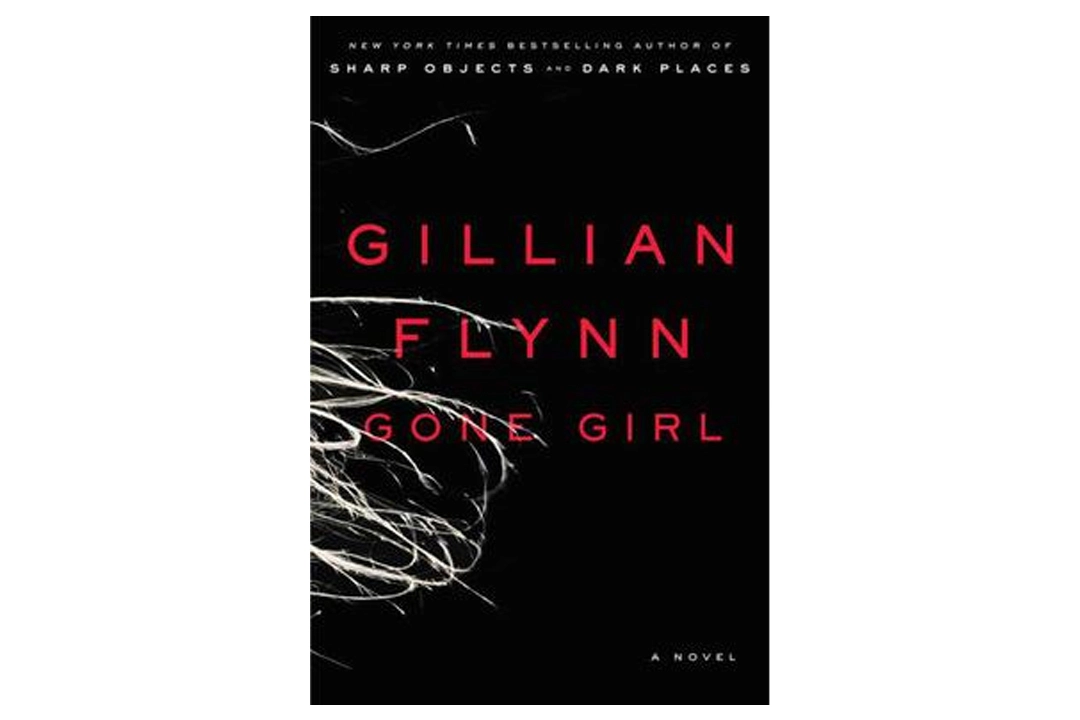
Gone Girl – Gillian Flynn: Book Summary
Beverly Ashford • 11 Mar 2026 • 70 views • 3 min read.Let me tell you about the book that made everyone suspicious of their spouse. Gillian Flynn wrote a thriller where the real mystery isn't whodunit—it's who these people actually are. She created two narrators who lie to the reader, to each other, and to themselves. She turned marriage itself into a crime scene. Gone Girl sold over 20 million copies. It launched a thousand "unreliable narrator" knockoffs. It became a David Fincher film. It entered the cultural vocabulary—"Amazing Amy" and "Cool Girl" became shorthand for specific kinds of female performance and rage. The book is nasty, smart, and deeply uncomfortable. Here's what happens. Warning: This summary reveals major plot twists. The book is best experienced unspoiled.
Gone Girl – Gillian Flynn: Book Summary
Quick Summary:
- A wife disappears on her fifth wedding anniversary; her husband becomes the prime suspect
- The truth is darker, stranger, and more twisted than anyone expects
- A thriller about marriage, performance, and the lies we tell
- Published in 2012, it redefined the psychological thriller and became a cultural phenomenon
Part One: Boy Loses Girl
Nick Dunne's narrative: It's their fifth wedding anniversary in North Carthage, Missouri. Nick comes home to find signs of a struggle. The living room is wrecked. His wife Amy is gone.
Nick calls the police. The investigation begins. Quickly, the public suspects Nick.
He's not performing grief correctly. He smiles in a photo with Amy's "MISSING" poster. He doesn't seem devastated enough. His alibi is weak. Their marriage, he admits to us, was failing.
Amy's narrative: We read her diary entries from years past. She describes meeting Nick in New York—charming, witty, magnetic. She describes falling in love. She describes moving to Missouri when Nick's parents got sick. She describes the marriage deteriorating.
The diary entries get darker. Nick becomes angry. Violent. Scary. The final entries suggest Amy feared for her life.
The reader assumes Nick killed his wife. The media assumes the same.
But something feels off. Nick's narration is flawed but not murderous. Amy's diary entries are too perfect, too literary. Both narrators are hiding something.
The Twist
Halfway through the book, everything inverts.
Amy is alive. She wasn't kidnapped or murdered. She elaborately staged her own disappearance to frame Nick for her murder.
The diary was fake—written specifically to incriminate him. The crime scene was manufactured. The clues were planted. Amy has been planning this for over a year.
Why?
Nick cheated on her. He became distant, unkind, a disappointing version of the man she married. He stopped performing the role of devoted husband. So Amy is punishing him with a frame job that will send him to death row.
Amy reveals herself to the reader in one of the most electric passages in modern fiction. She's brilliant, sociopathic, and furious. She has rewritten reality itself.
Key Characters
| Character | Role | What They Represent |
|---|---|---|
| Nick Dunne | Husband, accused | Male mediocrity, performance of innocence |
| Amy Elliott Dunne | Wife, mastermind | Female rage, extreme control |
| Margo (Go) Dunne | Nick's sister | Loyalty, the one person who believes him |
| Detective Boney | Lead investigator | The system that can't see the truth |
| Desi Collings | Amy's ex-boyfriend | Obsession, Amy's final victim |
| Andie | Nick's mistress | The affair that sparked revenge |
| Amy's parents | Authors of "Amazing Amy" | The impossible standards Amy was raised against |
The "Cool Girl" Speech
Amy's narrative includes the book's most famous passage—her monologue about the "Cool Girl."
"Men always say that as the defining compliment, don't they? She's a cool girl. Being the Cool Girl means I am a hot, brilliant, funny woman who adores football, poker, dirty jokes, and burping..."
Amy argues that Cool Girl is a performance—a woman pretending to have no needs, no demands, no inconvenient emotions. Men want this fantasy. Women exhaust themselves providing it.
Amy confesses she played Cool Girl for Nick during their courtship. Then she got tired. Then she expected him to love the real her. He didn't.
The speech resonated massively. It articulated something women had felt but not named. It also revealed Amy's psychology—she sees all relationships as performances, as manipulations.
The twist is that Amy isn't advocating authenticity. She's advocating better manipulation.
Part Three: Boy Gets Girl Back
Amy's plan goes wrong.
She's robbed at the motel where she's hiding, losing her money. Desperate, she contacts Desi Collings—an ex-boyfriend who's always been obsessed with her. She moves into his lake house, planning her next move.
Meanwhile, Nick realizes what Amy has done. He can't prove it, but he knows. His lawyer advises him to publicly grovel—to perform the loving husband Amy always wanted. He does, on national television.
Amy watches. She sees Nick finally performing devotion convincingly. She decides she wants him back.
But she can't return without explanation. So she creates one.
She kills Desi. She makes it look like kidnapping and sexual assault. She slits his throat, covers herself in his blood, and drives home.
Amy tells the world Desi kidnapped her. She was held captive for weeks. She escaped by killing her abductor in self-defense.
She's a hero. Nick can't expose her without exposing himself.
The Ending
Nick knows he's trapped with a monster. He considers killing Amy. He considers exposing her anyway and accepting the consequences.
Then Amy reveals she's pregnant. She used his stored sperm from a fertility clinic.
Nick stays.
Not because he loves her. Because he can't abandon his child to be raised by Amy alone. Because he's too weak to make the hard choice. Because they've become twisted mirrors of each other.
The book ends with them together, preparing for their baby, performing their marriage for the public. Nick's final line:
"What are you thinking? How are you feeling? What have we done to each other?"
What the Book Is Really About
Marriage as mutual destruction. Nick and Amy brought out the worst in each other. Their relationship became a competition over who could hurt whom more effectively.
Performance and authenticity. Both characters perform constantly—for each other, for the media, for themselves. The book suggests there may be no authentic self beneath the performance.
Gender and expectation. Amy's rage comes from being held to impossible standards—first by her parents' "Amazing Amy" books, then by Nick's Cool Girl expectations. Her revenge is monstrous but her grievance is real.
Media and narrative. The investigation is shaped by television coverage, public opinion, and storytelling. Truth matters less than compelling narrative. Whoever tells the better story wins.
The impossibility of knowing anyone. Even married couples are mysteries to each other. We believe we know our partners, but we know only the version they choose to show us.
Frequently Asked Questions
Is Amy a feminist character?
Debated endlessly. The Cool Girl speech resonated with feminists. But Amy is also a violent sociopath. Flynn has said she wanted to write complex women, including evil ones. Amy isn't a role model; she's a character.
Is the ending supposed to be satisfying?
No. It's supposed to be disturbing. Nick choosing to stay reveals his own weakness and complicity. There are no heroes here.
How does the movie compare?
David Fincher's 2014 adaptation is excellent—Rosamund Pike is chilling. Flynn wrote the screenplay, keeping most elements intact. Both versions work.
Should I read Flynn's other books?
Sharp Objects and Dark Places are similarly dark. Sharp Objects is arguably more literary; Dark Places has similar twist mechanics. All feature deeply flawed women.
Why did this book become so huge?
Perfect timing, excellent pacing, and themes that touched nerves. Marriage anxiety, media distortion, gender expectations—Flynn hit multiple cultural pressure points simultaneously.
The Bottom Line
Here's what Gillian Flynn achieved.
She wrote a thriller that's also a dissection of marriage, media, and gender. She created two unreliable narrators playing a game only one of them knows about. She made readers feel complicit in the manipulation.
Gone Girl argues that intimacy is impossible, that performance is everything, and that the people we love are strangers wearing masks we prefer to the reality beneath.
It's a deeply cynical book. It's also deeply compelling.
You'll finish it. Then you'll look at your partner differently.
That's the point.