
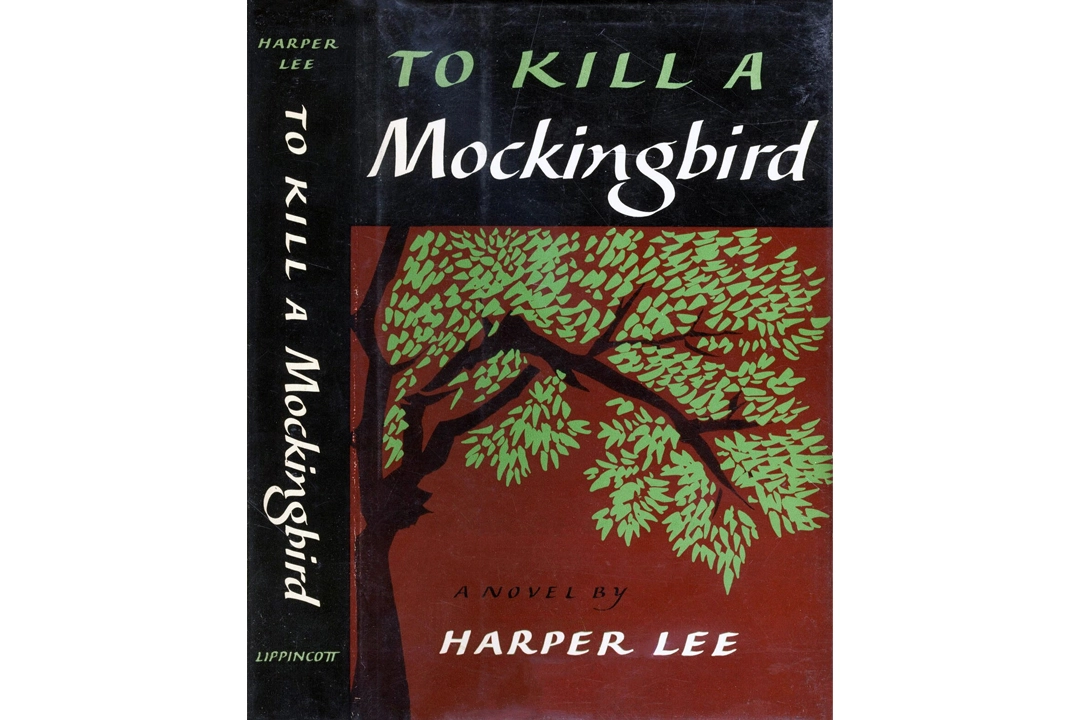
To Kill a Mockingbird – Harper Lee: Book Summary
Beverly Ashford • 12 Feb 2026 • 198 views • 3 min read.Let me tell you why this book still matters nearly 65 years after it was published. Harper Lee wrote one novel (well, one that counts—we'll get to that). She won the Pulitzer Prize. The book has never gone out of print. It's been translated into 40 languages. It shaped how generations of Americans think about justice, race, and moral courage. And the remarkable thing is, it doesn't feel like medicine. It doesn't preach. It tells a story about children in a small Southern town during the Depression, and somehow that story contains everything important about right and wrong. Here's what happens, what it means, and why you should read it even if you think you already know the story.
To Kill a Mockingbird – Harper Lee Book Summary
Quick Summary:
- A coming-of-age story set against racial injustice in 1930s Alabama
- Told through Scout Finch's innocent yet perceptive eyes
- Atticus Finch defends a Black man falsely accused of rape
- Explores courage, empathy, and the loss of childhood innocence
The Setting and the World
Maycomb, Alabama. The 1930s. The Depression has hit everywhere, but life moves slowly in this small town where everyone knows everyone and family history stretches back generations.
Jean Louise Finch—called Scout—is six when the story begins. She lives with her older brother Jem and their father Atticus, a lawyer and widower. Their housekeeper Calpurnia, a Black woman, essentially raises the children.
The town is segregated. Not just legally, but socially and psychologically. The Black community lives in their own section. The white community has its own hierarchy—respectable families, poor whites, and the truly outcast. Everyone knows their place.
Into this world, Lee drops a trial that forces everyone to confront what they actually believe versus what they claim to believe.
The Story in Three Parts
Part One establishes Scout's world. The children are fascinated by their reclusive neighbor Boo Radley, who hasn't been seen outside in years. Local legend says he's a monster. The kids dare each other to touch his house. They leave notes. They invent stories about him.
Meanwhile, Atticus agrees to defend Tom Robinson, a Black man accused of raping Mayella Ewell, a poor white woman. The decision makes Atticus unpopular. Scout gets into fights defending her father's honor. She doesn't fully understand what's happening, but she knows her father is doing something that makes other people angry.
Part Two centers on the trial. Atticus systematically dismantles the prosecution's case. Tom Robinson couldn't have committed the assault—his left arm was crippled in a childhood accident, while the attacker was clearly left-handed. Mayella's injuries came from her father Bob Ewell, who beat her when he found her attracted to Tom.
Everyone in the courtroom knows Tom is innocent. The evidence is overwhelming. But the all-white jury convicts him anyway.
Tom later dies trying to escape prison. Seventeen bullet wounds. The official story is he was trying to escape. The reality is that his death was always inevitable in that system.
Part Three deals with aftermath. Bob Ewell, humiliated by Atticus's exposure of his abuse and lies, seeks revenge. He attacks Scout and Jem on their walk home from a Halloween pageant. In the darkness, someone intervenes and saves the children. Bob Ewell is found dead.
The savior is Boo Radley—the monster of childhood imagination—who carried the wounded Jem home. The sheriff rules Ewell fell on his own knife. Scout finally meets Boo, walks him home, and stands on his porch seeing the world as he must have seen it all those years—watching over the children who feared him.
Major Characters
| Character | Role | Represents |
|---|---|---|
| Scout Finch | Narrator, 6-9 years old | Childhood innocence, moral development |
| Atticus Finch | Scout's father, lawyer | Moral courage, integrity, justice |
| Jem Finch | Scout's older brother | Loss of innocence, coming of age |
| Tom Robinson | Accused man, Black | Racial injustice, destroyed innocence |
| Boo Radley | Reclusive neighbor | Misunderstood goodness, hidden kindness |
| Bob Ewell | Mayella's father, accuser | Prejudice, cruelty, cowardice |
| Calpurnia | Finch housekeeper | Bridge between communities, surrogate mother |
| Miss Maudie | Neighbor and friend | Female role model, ally to Atticus |
The Themes That Make It Last
Moral courage versus social pressure. Atticus knows he'll lose. He defends Tom anyway because it's right. The town turns against him. He endures. This isn't the courage of not being afraid—it's the courage of doing what's right when you're afraid and it costs you.
The destruction of innocence runs through everything. Scout and Jem begin believing in fairness. The trial teaches them that justice doesn't always prevail. Tom Robinson dies despite being obviously innocent. The children lose something they can never get back.
Empathy as moral foundation. Atticus's core teaching: "You never really understand a person until you consider things from his point of view... until you climb into his skin and walk around in it." The novel ends with Scout literally standing on Boo's porch, seeing through his eyes.
The mockingbird symbol gives the book its title. Mockingbirds do nothing but make music. Killing one is a sin because they harm no one. Tom Robinson is a mockingbird—he helped Mayella out of kindness and was destroyed for it. Boo Radley is another—he stayed hidden and protected children he'd never met.
Good and evil coexisting in individuals and communities. Maycomb isn't populated entirely by villains. Well-meaning people participate in injustice. The same town that convicts Tom also contains Atticus, Miss Maudie, and those who quietly support doing right.
Why It Still Matters
Some readers today find the book dated. The white savior narrative troubles them. The Black characters are seen through white eyes and given limited agency. Tom Robinson is noble and long-suffering but not fully dimensional.
These criticisms have merit. The book is of its time.
But here's what still works. The examination of how ordinary people—not monsters, not villains—participate in injustice. The portrait of moral courage that costs something. The loss of innocence that comes from seeing the world clearly.
Scout learns that good doesn't always win. That the world is more complicated than childhood allows. That her father, for all his goodness, couldn't save Tom Robinson. That courage means fighting anyway.
These lessons haven't become irrelevant.
Frequently Asked Questions
Is the sequel "Go Set a Watchman" worth reading?
That's complicated. Watchman was actually written first, then reworked into Mockingbird. Its publication after Lee's death was controversial. Atticus in Watchman holds racist views that contradict his Mockingbird characterization. Most scholars recommend treating Mockingbird as Lee's definitive work.
Why is it told from a child's perspective?
Scout's innocence allows Lee to expose the absurdity of racism. A child sees the injustice clearly because she hasn't learned the rationalizations adults use. Her confusion at adult behavior highlights how irrational prejudice actually is.
Is Atticus Finch a realistic character?
Critics debate this. Some find him too perfect—a moral paragon without flaws. Others argue his decency is complicated by his willingness to work within a corrupt system. He defends Tom but doesn't challenge segregation itself. Perfect hero or compromised idealist? The interpretation is yours.
What's the significance of Boo Radley?
The Boo Radley subplot mirrors the main plot thematically. Both stories are about people misjudged by those who don't know them. Both end with innocence revealed. Boo becomes real to Scout the night he saves her, just as Tom's humanity becomes real during the trial.
Why has the book been banned?
Schools have challenged it for racial slurs, discussions of rape, and depictions of racism. Ironically, a book attacking racism gets banned for depicting racism. The challenges reflect ongoing discomfort with the material rather than any reasonable criticism of the book's message.
Should I read it if I already saw the movie?
Yes. Gregory Peck's film is excellent but necessarily compressed. Scout's internal narration provides context and insight the film can't capture. The book is richer, funnier, and more textured than any adaptation.
Here's what I think Harper Lee accomplished.
She wrote a book about injustice that doesn't feel like a lecture. She created a moral hero who feels human. She captured childhood with precision and tenderness. She showed how communities can be decent and cruel simultaneously.
Most importantly, she made readers feel what injustice costs—not through abstraction but through people you care about.
Atticus doesn't win. Tom dies. The system continues. But Scout grows up. She learns to see people clearly. She walks Boo home and understands him finally.
That's what the book offers. Not a solution to injustice. A way of seeing it clearly. And maybe that's where change has to start.