
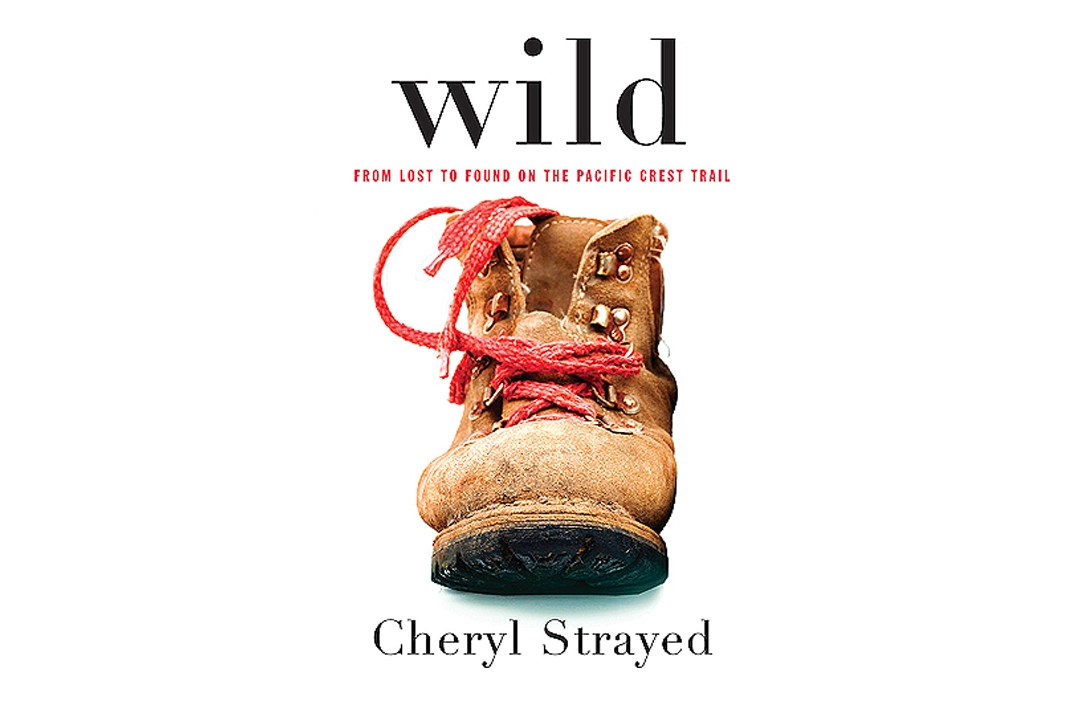
Wild: From Lost to Found on the Pacific Crest Trail – Cheryl Strayed: Book Summary
Beverly Ashford • 11 Mar 2026 • 73 views • 2 min read.Let me tell you about the book that sent thousands of people to REI. Cheryl Strayed had no business hiking the Pacific Crest Trail. She'd never backpacked. She bought boots that destroyed her feet. Her pack was so heavy she couldn't lift it. She brought the wrong fuel for her stove. But she finished. And she wrote a memoir about it that sold millions of copies, became an Oprah's Book Club selection, and was adapted into an Oscar-nominated film. Wild isn't really about hiking. It's about what happens when your life falls apart and you have to physically walk yourself back together.
Wild: From Lost to Found on the Pacific Crest Trail – Cheryl Strayed: Book Summary
Quick Summary:
- A woman hikes 1,100 miles alone to recover from grief and self-destruction
- She's completely unprepared, carrying a pack she calls "Monster"
- The trail becomes both punishment and redemption
- Published in 2012, it launched the modern solo-hiking memoir genre
The Wreckage
Before the trail, Cheryl Strayed's life had collapsed.
Her mother died. Bobbi, the center of Cheryl's world, was diagnosed with cancer and dead within weeks. She was 45. Cheryl was 22.
The death broke everything. Cheryl's family splintered. Her siblings scattered. Her stepfather moved on to a new girlfriend almost immediately. The family home was sold. The horses—Bobbi's beloved horses—were given away.
Cheryl had no center anymore.
She destroyed her marriage. She'd married young, to a good man named Paul who loved her. After her mother's death, she systematically wrecked the relationship. She cheated repeatedly, compulsively. She told Paul about it. The marriage ended.
She fell into heroin. Not quite addiction—she was a casual user, which she admits might be worse. She had just enough control to keep destroying herself without hitting bottom.
She got pregnant by a man she didn't love. She had an abortion.
At 26, Cheryl Strayed had lost her mother, her marriage, her family, her self-respect. She'd changed her name from Cheryl Nyland to Cheryl Strayed—"strayed" because that's what she'd done. Wandered from everything she once was.
Then she saw a guidebook for the Pacific Crest Trail.
The Trail
The Pacific Crest Trail runs 2,650 miles from Mexico to Canada through California, Oregon, and Washington. Cheryl decided to hike the California section—about 1,100 miles—alone, starting in the Mojave Desert.
She was wildly unprepared.
Her pack, which she named Monster, weighed over 60 pounds—far too heavy. She couldn't lift it without sitting down and rolling into the straps. She'd bought boots too small that bloodied her feet within days. She'd never used the water purifier, the stove, or the tent she carried.
The first days were brutal. Blisters, exhaustion, dehydration. She lost toenails. She ran out of water. She got so tired she cried and threw her boots off a cliff.
But she kept walking.
What She Carried
| Physical Load | Emotional Load |
|---|---|
| Monster (the pack) | Her mother's death |
| Boots that didn't fit | A destroyed marriage |
| Stove she couldn't use | Heroin and affairs |
| Water purifier | An abortion |
| Books she burned for weight | Her lost family |
| Guidebook pages | Shame and self-destruction |
The trail stripped away the physical weight gradually. She sent items home. She learned what she actually needed. The emotional weight came off differently—in memories, in miles, in solitude.
The Journey
The memoir alternates between trail narrative and flashback.
On the trail: Strayed encounters rattlesnakes, extreme heat, snow in the Sierra Nevada that forces detours. She meets other hikers—some helpful, some threatening. She runs out of money. She hitches rides to resupply towns. She eats cold mush when her stove fails.
In flashback: We learn about Bobbi—her difficult childhood, her escape from Cheryl's abusive father, her optimism and strength. We see Cheryl's marriage, the affairs, the drugs. We understand how each mile on the trail corresponds to something she's carrying inside.
The structure works because the physical journey mirrors the emotional one. When she's most exhausted, we learn about her lowest moments. When she finds strength, we understand where it comes from.
Key People
| Person | Role | Significance |
|---|---|---|
| Cheryl Strayed | Author, hiker | Destruction and reconstruction |
| Bobbi | Mother | The loss that broke everything |
| Paul | Ex-husband | The good man she couldn't stay with |
| Eddie | Stepfather | Family that dissolved |
| Karen, Leif | Siblings | Scattered survivors |
| Fellow hikers | Trail community | Brief connections, unexpected kindness |
The Transformation
Strayed doesn't present the trail as a magical cure. She doesn't finish enlightened or healed in any simple sense.
But something shifts.
Physical competence builds confidence. By the end, she can hike twenty miles in a day. She's lost weight. She's strong. Her body has become capable.
Solitude allows processing. With nothing but walking, she finally faces her grief. She talks to her mother aloud. She cries. She lets herself remember.
The trail provides structure. Each day has clear goals: miles to cover, water to find, camp to make. After years of chaos, this simplicity is therapeutic.
Kindness from strangers matters. Hikers share food. People in towns offer rides. The world, which she'd experienced as hostile, reveals generosity.
When she finishes at the Bridge of the Gods on the Oregon-Washington border, she's not a different person. But she's no longer lost.
The Writing
Strayed is a writer first—Wild is beautifully crafted.
The prose is visceral. You feel the blisters, the thirst, the weight of the pack. Physical details accumulate into something overwhelming.
The structure is carefully controlled. Flashbacks arrive at moments that illuminate the trail narrative. Past and present comment on each other.
The honesty is uncomfortable. Strayed doesn't hide her worst decisions. She describes affairs, drug use, and selfishness without excuse. This vulnerability is what makes the redemption feel earned.
Example: "I was a terrible person. That was something I had to accept. And yet I felt very tender toward myself. I had done wrong things, yes, but I hadn't done them because I wanted to be a bad person. I'd done them because I was sad and angry and afraid."
Frequently Asked Questions
Is she really as unprepared as she claims?
Yes. Strayed has confirmed the details. She literally could not lift her pack without help. She's since become an advocate for proper preparation—the memoir isn't recommending her approach.
Did the hike actually help?
Strayed says yes. It didn't solve everything, but it gave her a foundation to rebuild from. The physical accomplishment proved she could do hard things.
How does the movie compare?
The 2014 film starring Reese Witherspoon is faithful and well-made. It necessarily compresses the journey but captures the emotional core. Read first for the full experience.
Is this just for women?
No. The themes—grief, self-destruction, rebuilding—are universal. Men have found it equally resonant, though it did particularly connect with female readers.
Should I hike the PCT after reading this?
Many people have. The "Wild effect" increased PCT permit applications dramatically. Just prepare better than Strayed did.
What has Strayed done since?
She wrote Tiny Beautiful Things (compiled from her "Dear Sugar" advice column) and Brave Enough (quotes and wisdom). She's become a prominent voice on grief, recovery, and writing.
The Bottom Line
Here's what Cheryl Strayed achieved.
She wrote a memoir about hitting bottom and walking out. She showed that recovery isn't pretty—it's blisters and bad decisions and small acts of will. She proved that sometimes you have to physically move through pain.
Wild argues that grief doesn't have a timeline and that self-destruction is sometimes a response to unbearable loss. It also argues that we can choose to stop destroying ourselves, even when we don't quite believe we deserve to.
Strayed walked 1,100 miles with a pack she couldn't lift and wounds she couldn't name.
She finished.
That's the whole point.